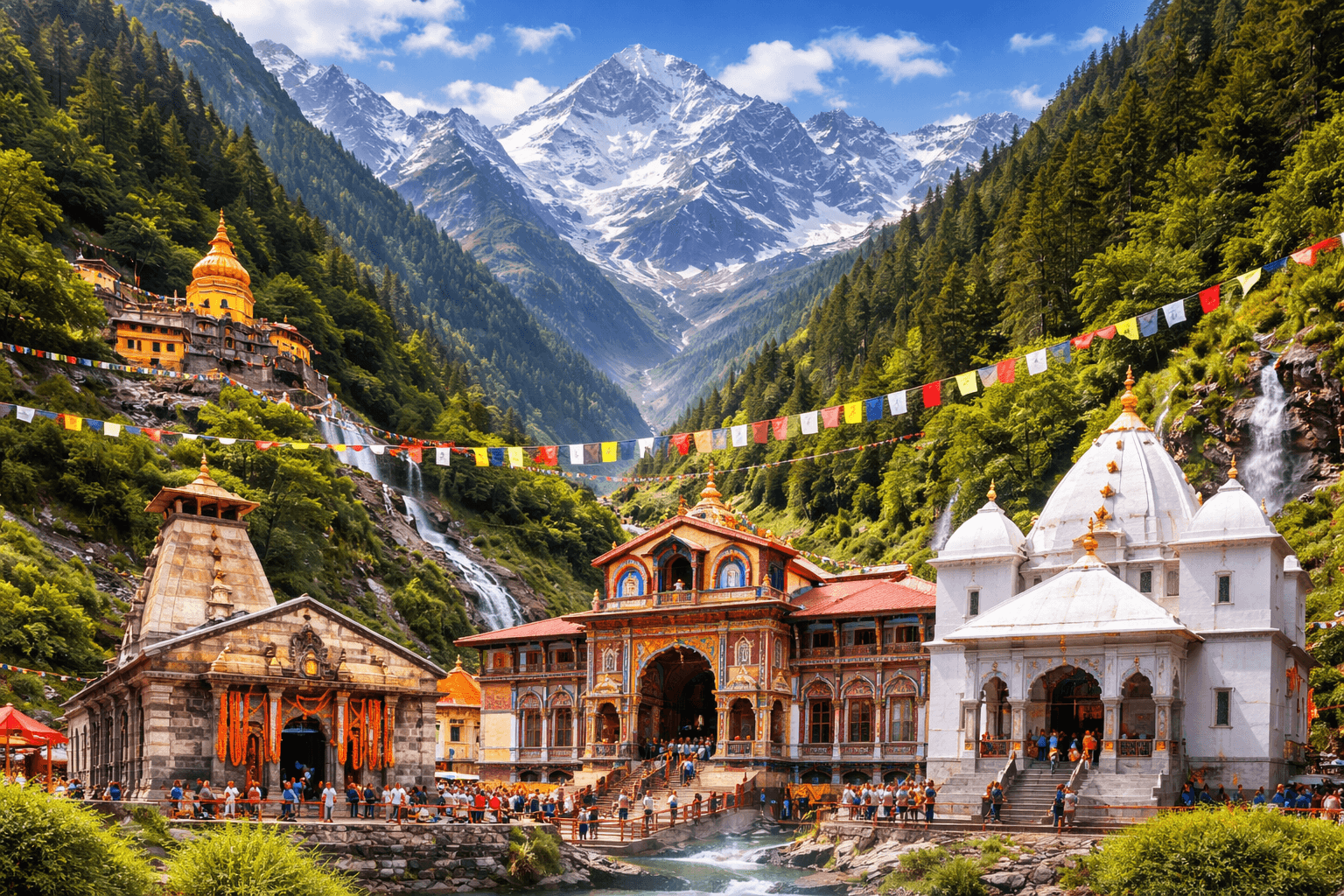
The Chardham Yatra is one of India’s most sacred pilgrimages covering Yamunotri, Gangotri, Kedarnath and Badrinath in Uttarakhand. This complete guide explains registration, routes, opening dates, packages, permits, travel tips and FAQs to help you plan a smooth and safe journey. Start your spiritual journey with verified information and customisable Chardham Yatra packages.
If you're planning a Chardham Yatra but don’t know where to start, you’re not alone. Planning a pilgrimage especially with family can feel overwhelming, particularly if it’s your first time.
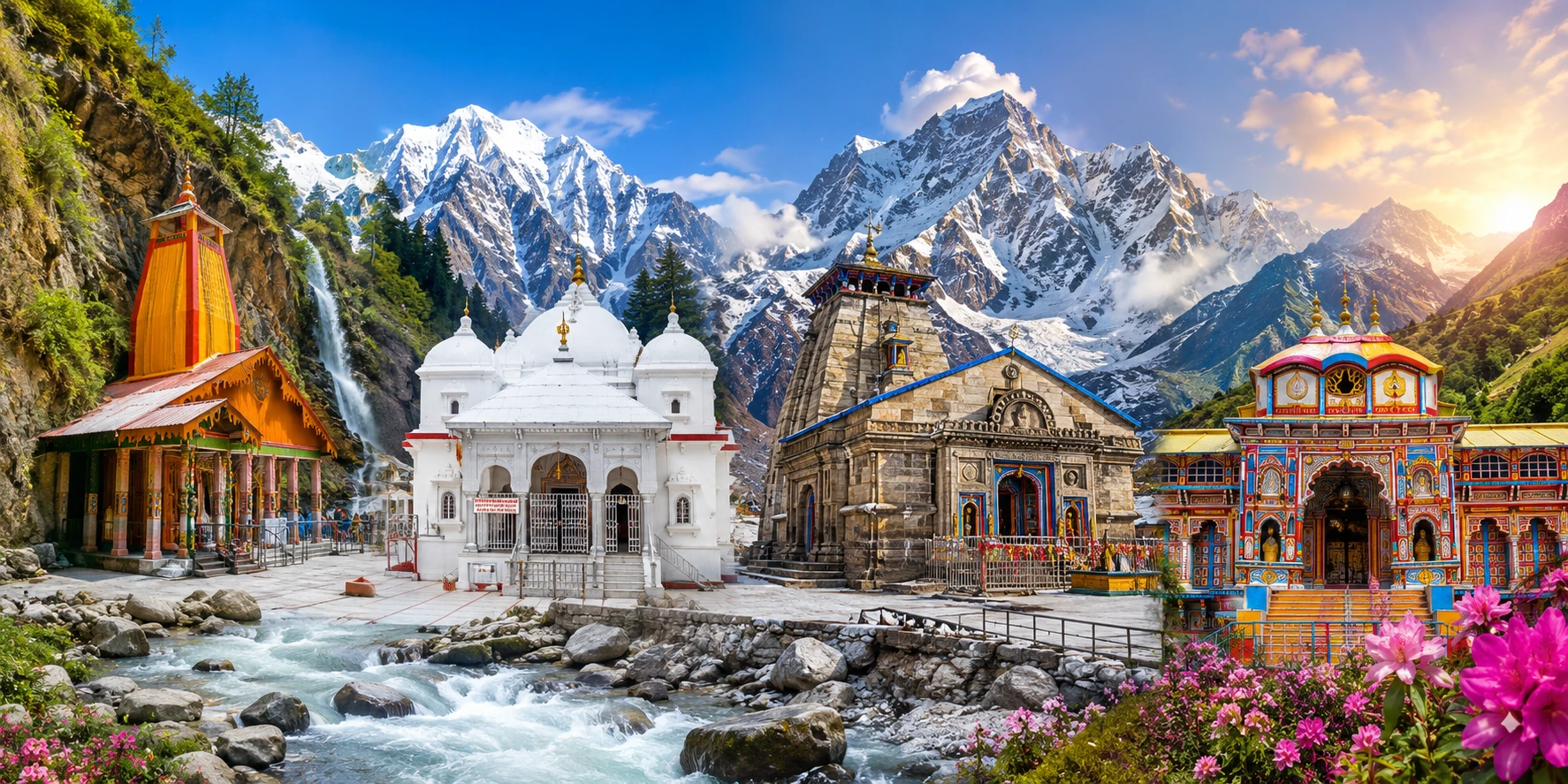
The Chardham Yatra is a dedicated journey in Uttarakhand that covers four holy temples Yamunotri Gangotri Kedarnath and Badrinath.
This guide will help you plan everything step by step from Char Dham opening dates and Char Dham registration to permits, local food and travel tips for Char Dham Yatra. That way, you can focus on your spiritual experience without stress about the details. Let’s dive right in and make sure your 2026 pilgrimage is safe, smooth and unforgettable.
What Is the Chardham Yatra?
The Chardham Yatra refers to the sacred circuit of four ancient temples located in the Garhwal region of Uttarakhand. Completing the yatra in the traditional sequence is believed to bring spiritual liberation and inner purification.
Yamunotri: Dedicated to Goddess Yamuna
Gangotri: Origin of the holy River Ganga
Kedarnath: One of the 12 Jyotirlingas of Lord Shiva
Badrinath: Dedicated to Lord Vishnu
Pilgrims traditionally begin from Yamunotri and conclude at Badrinath, following a spiritually auspicious order.
2026 Yatra Overview & Visitor Limits
The Uttarakhand government implements daily limits to preserve the sanctity of the shrines and ensure pilgrim safety. Plan your dates early to avoid missing out
Destination | Expected Opening Date (2026) | Daily Visitor Limit (Approx.) |
|---|---|---|
Yamunotri | April 19, 2026 (Akshaya Tritiya) | 5,000 |
Gangotri | April 19, 2026 (Akshaya Tritiya) | 8,000 |
Kedarnath | April 22, 2026 | 15,000 |
Badrinath | April 24, 2026 | 16,000 |
Types & Significance of Char Dham Yatra
While many use the term "Char Dham" interchangeably, there are actually two distinct spiritual circuits:
Chota Char Dham (Uttarakhand): This is the high-altitude circuit in the Garhwal Himalayas featuring Yamunotri, Gangotri, Kedarnath and Badrinath. This is the focus of the 2026 registration process.
Bada Char Dham (All-India): Established by Adi Shankaracharya, this includes four corners of India: Badrinath (North), Dwarka (West), Puri (East) and Rameswaram (South).
The Spiritual Sequence: Traditionally, the Yatra is completed from West to East: starting at Yamunotri, followed by Gangotri, then Kedarnath and finally Badrinath.
The Chardham Registration In 5 Easy Steps
Registration for the 2026 season typically opens in March. Follow this high-impact summary to secure your Yatra Permit online:
Account Setup: Visit the official Tourist Care Uttarakhand portal. Create an account using an active mobile number to receive OTPs.
Plan Your Itinerary: Select "Create/Manage Tour." You must enter your entry/exit dates for Uttarakhand and specify the order of the Dhams you plan to visit.
Add Pilgrims: Enter details for every traveler (name, age and address). You can also add your profession; if you are a Doctor, the government may flag your profile to assist in local emergencies.
Verification & Upload: Upload a digital passport-sized photo (JPG/PNG) and a scanned copy of your ID. For 2026, Aadhaar is the preferred document for Indian nationals to ensure seamless biometric integration.
Download Yatra Letter: Once submitted, download your Yatra Registration Letter containing a unique QR code. This code is mandatory for verification at checkpoints and for booking services like helicopters.
Why Chardham Yatra is Special ?
The Chardham yatra isn’t just about visiting temples it’s a spiritual journey that has been revered for centuries. I remember my first visit; the air smelled of incense and mountain herbs and the sight of snow-capped peaks left me speechless. Each temple has its own significance:
Yamunotri: Source of the Yamuna river, with hot springs for ritual baths.
Gangotri: Birthplace of the holy Ganga river, representing purity and devotion.
Kedarnath: Lord Shiva’s abode, a place of immense spiritual energy.
Badrinath: Dedicated to Lord Vishnu, symbolizing peace and prosperity.
Understanding the History Of Char Dham Yatra helps you appreciate the journey beyond just sightseeing. It was formalized by Adi Shankaracharya to provide a complete path for spiritual liberation.
Chardham Yatra Opening & Closing Dates 2026
Knowing the Char Dham opening dates is essential before planning your journey, as all temples remain closed during winter due to heavy snowfall.
For temple-wise opening rituals, kapat muhurat and seasonal alerts, refer to the Chardham Yatra Opening Dates Guide.
Meanwhile, the tentative dates are as mentioned below-
Temple/Yatra | Opening Date 2026 | Closing Date 2026 |
|---|---|---|
Yamunotri | 19 April, 2026 | 1 November, 2026 (tentative) |
Gangotri | 19 April, 2026 | 1 November, 2026 (tentative) |
Kedarnath | 22 April, 2026 | 6 November, 2026 (tentative) |
Badrinath | 24 April, 2026 | 6 November, 2026 (tentative) |
Chardham Yatra Route Map & Travel Flow
Before planning for this yatra, you must be aware of the complete Char Dham Yatra Route Map. It will give you a rough idea of how to start, plan travel days, rest points, accommodations and complete this whole circuit efficiently.
For a day-wise route breakdown, road conditions and trek details, explore the Chardham Yatra Route Map Guide.
Traditional Route Sequence:
Delhi → Haridwar/Rishikesh → Yamunotri → Gangotri → Kedarnath → Badrinath → Rishikesh/Haridwar → Delhi
Distance overview (approx):
Yamunotri: 220 km from Rishikesh
Gangotri: 250 km from Yamunotri
Kedarnath: 300 km from Gangotri
Badrinath: 230 km from Kedarnath
Temples Covered in the Chardham Yatra
Yamunotri Temple
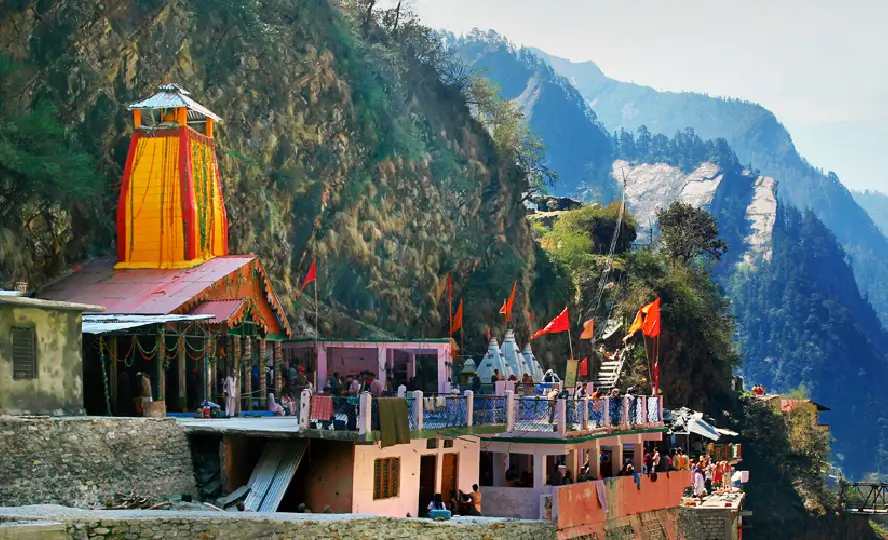
Yamunotri Temple marks the starting point of the Char Dham Yatra and is dedicated to Goddess Yamuna, believed to be the source of the Yamuna River. Situated at a high altitude in the Garhwal Himalayas, the temple is surrounded by snow-covered peaks and hot water springs like Surya Kund, where pilgrims cook rice as a sacred offering. The peaceful environment and spiritual energy make the Yamunotri yatra an ideal beginning for the sacred journey.
Gangotri Temple
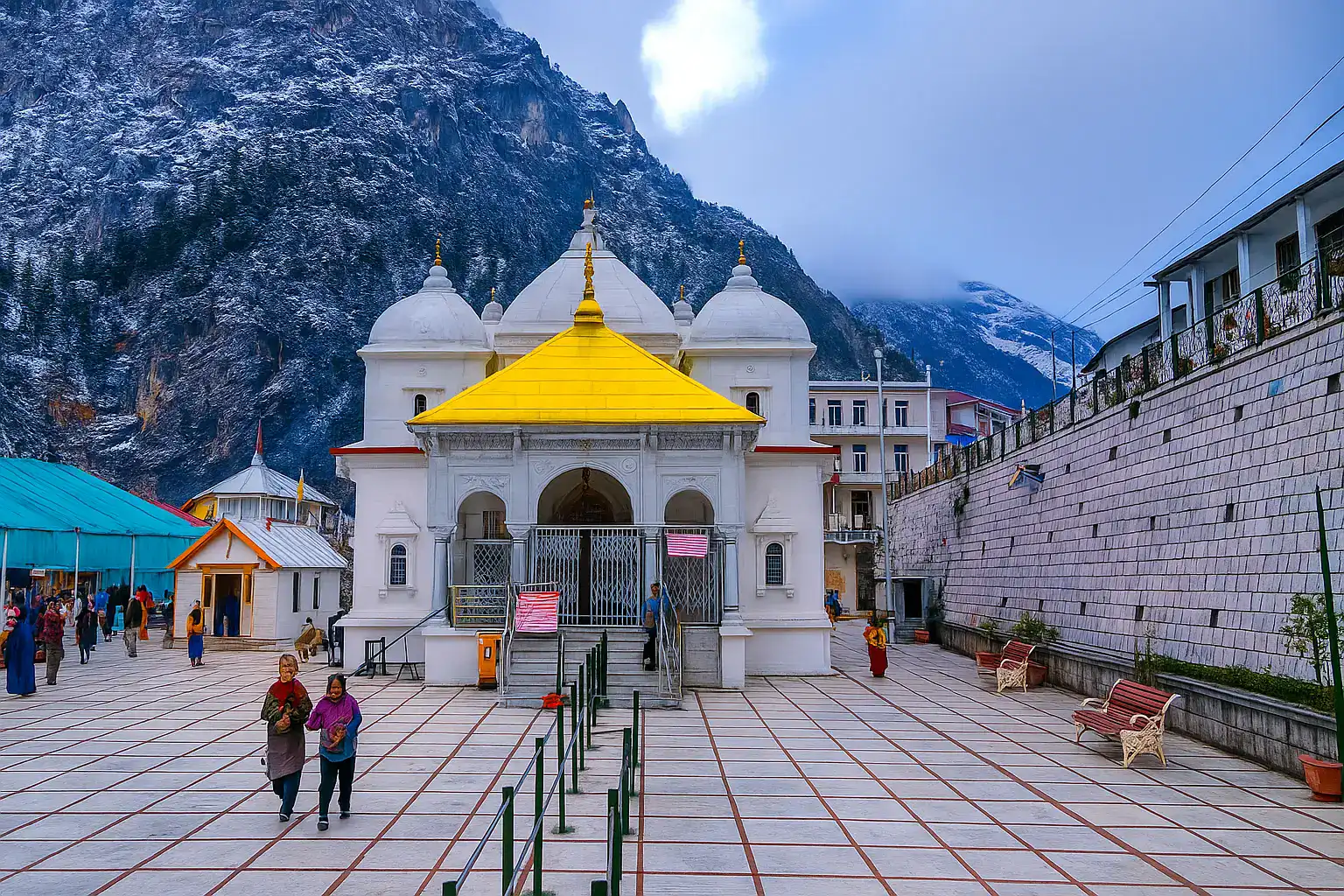
Gangotri Temple is devoted to Goddess Ganga and represents the origin of the holy River Ganges. Located along the banks of the Bhagirathi River, this temple holds immense religious importance in Hinduism. Pilgrims believe that a visit to Gangotri washes away sins and brings spiritual purity. The temple’s serene setting and ancient rituals create a deeply calming experience for devotees. Read our complete Gangotri yatra guide for more information.
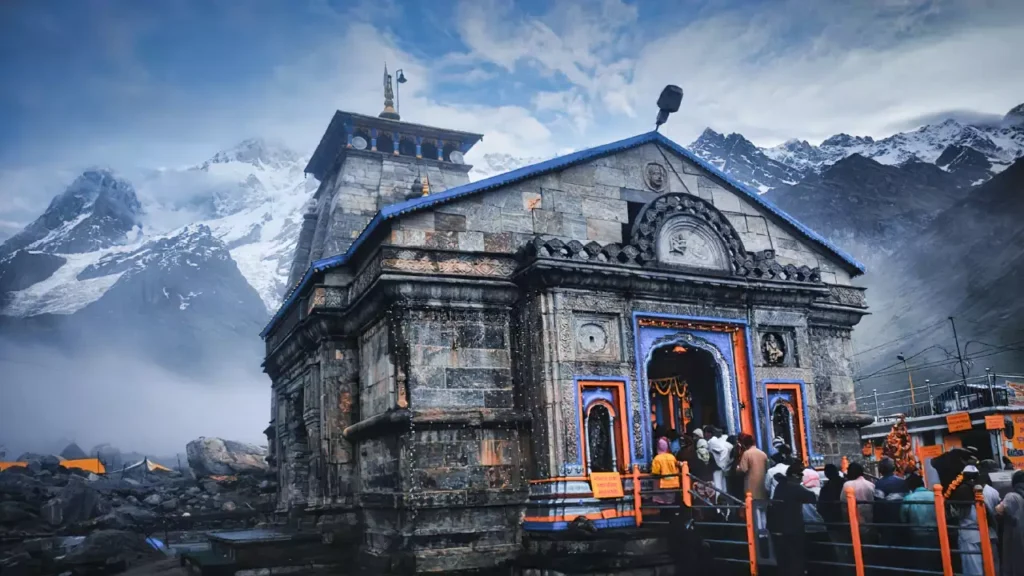
Kedarnath Temple
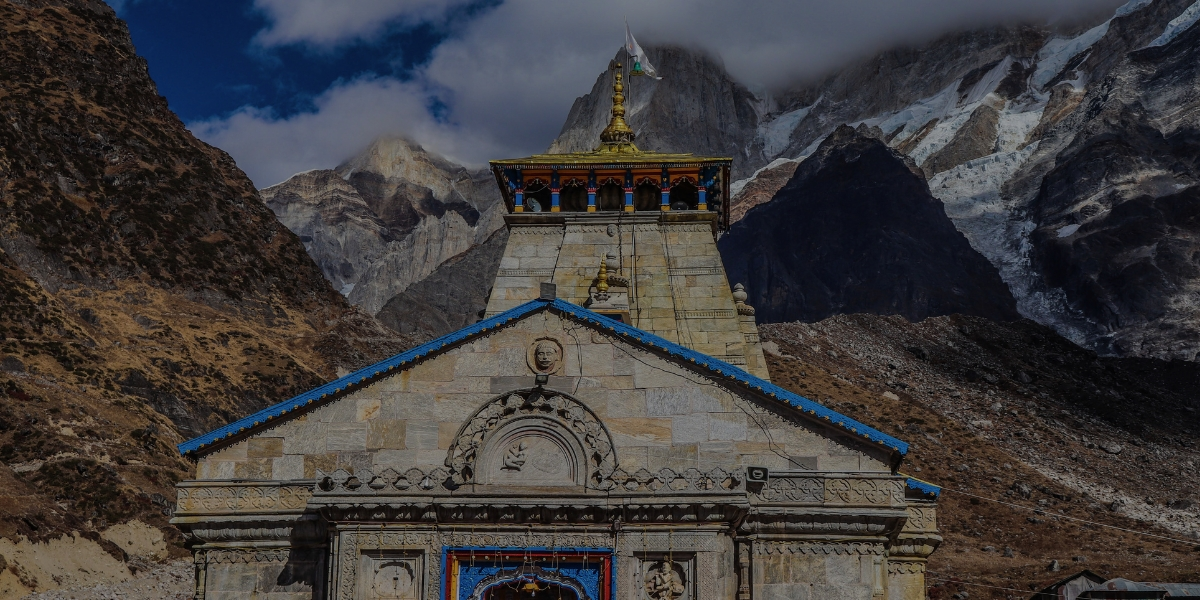
Kedarnath Temple is one of the 12 Jyotirlingas of Lord Shiva and the most spiritually intense stop in the Char Dham circuit. Nestled near the Mandakini River and surrounded by majestic Himalayan peaks, the temple is known for its powerful atmosphere and deep sense of devotion. Due to its high altitude and trekking route, proper planning is essential for pilgrims. For detailed travel planning, routes, registration and seasonal guidance, you can explore the Complete Kedarnath Yatra Guide to prepare for a smooth and meaningful journey.
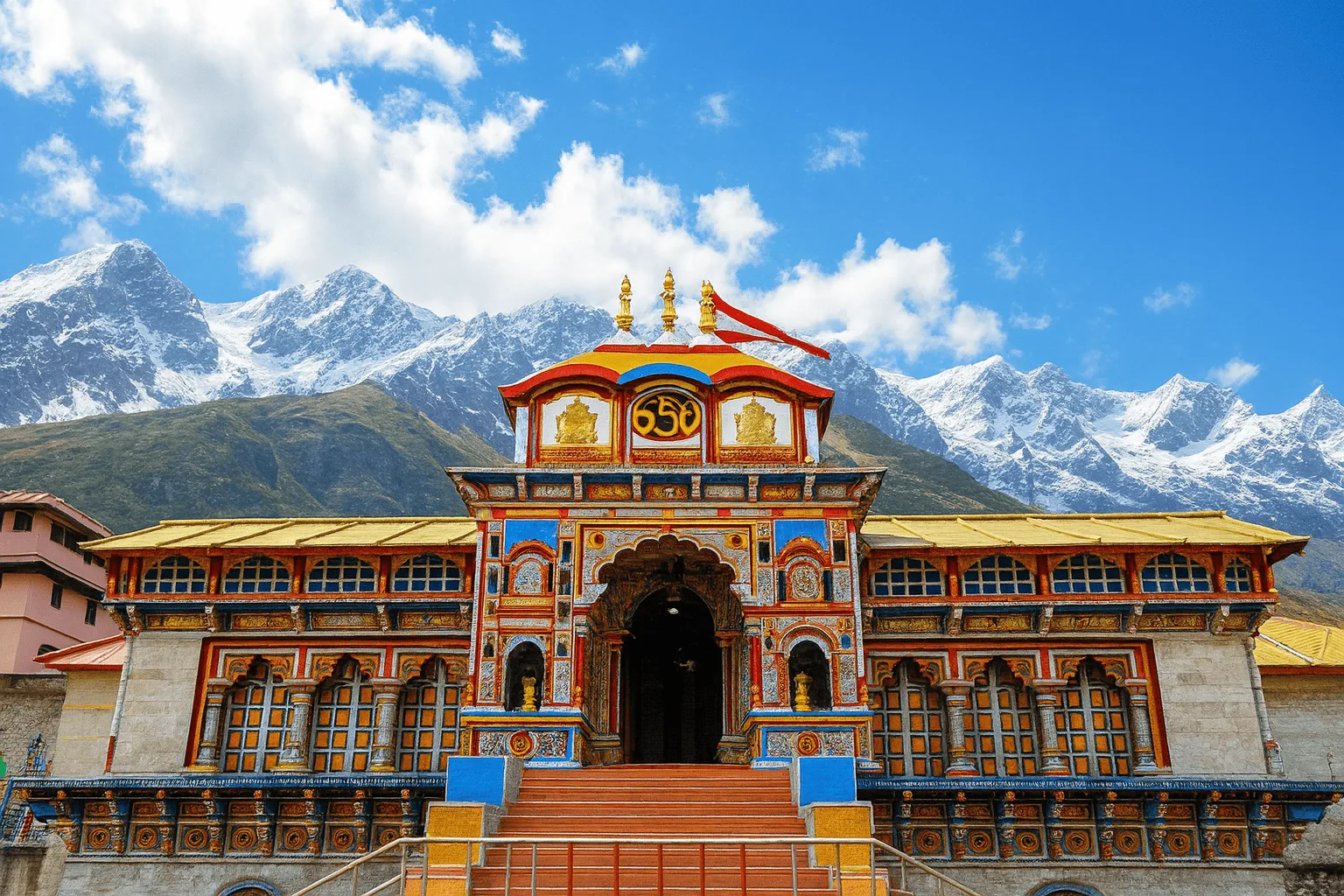
Badrinath Temple
Badrinath Temple is dedicated to Lord Vishnu and holds a unique place in Hindu pilgrimage traditions. Located along the Alaknanda River, the temple is accessible by road and is often visited after Kedarnath in the Char Dham sequence. The colourful architecture, daily rituals and surrounding mountain views make it a spiritually uplifting destination. Pilgrims looking for detailed route information, accommodation options and best travel seasons can refer to the Badrinath Yatra Travel Guide for a well-planned visit.
How to Plan Your Chardham Yatra ?
Planning ahead makes your char dham yatra package smooth and enjoyable. Start by choosing the right time to visit and deciding how you want to travel.
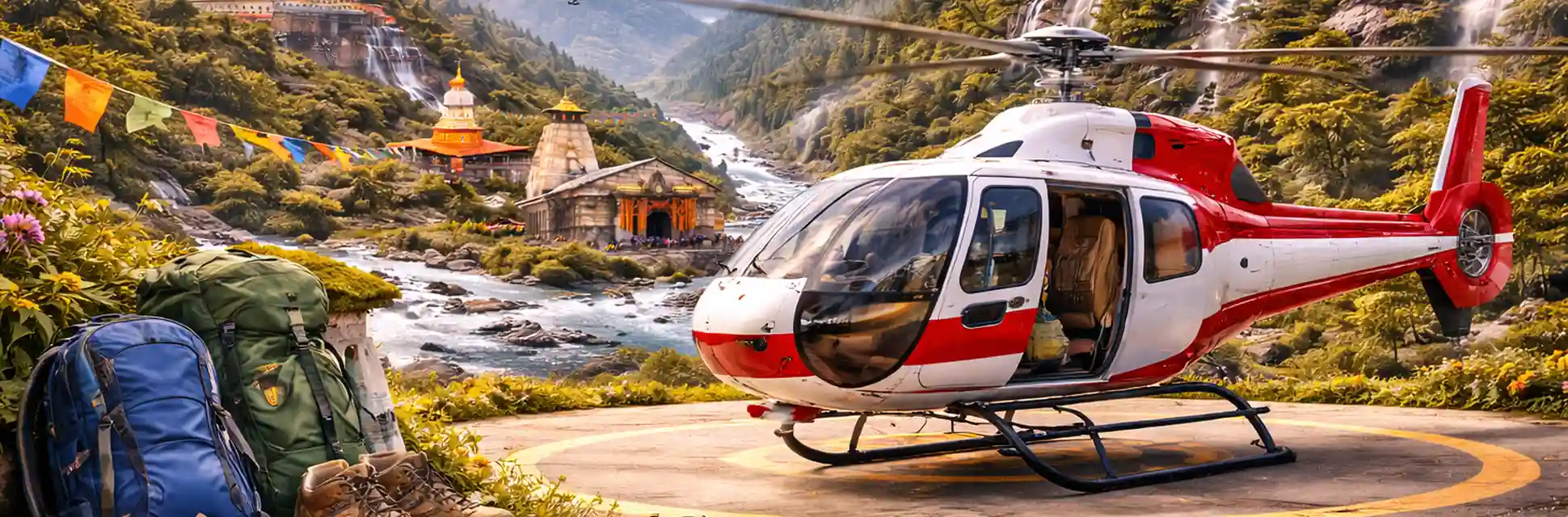
Travelers can go by road or opt for faster options like chardham yatra by helicopter, which is ideal for those with limited time. Services like chardham heli yatra make the journey easier, especially for elderly travelers.
If you are traveling with family, selecting a well-organized chardham tour package can reduce stress. Always check what your package includes transport, stay, meals and guide services.
Before starting your journey
Complete registration through official portals
Book early to avoid last-minute issues
Confirm details for char dham helicopter booking if choosing air travel
Carry valid ID and keep copies of important documents. Pack light but include warm clothes, medicines and basic essentials.
During the trip, travel at a steady pace. Avoid rushing, especially on mountain routes like the trek to Kedarnath. A well-planned Chardham yatra ensures safety and comfort throughout your journey.
Best Time to Visit
Here you will read about the best time to visit Chardham Yatra, including the ideal months, weather conditions and travel tips. This guide will help you plan your journey easily and choose the perfect time for a safe and comfortable trip.
Destination | Best Time to Visit | Notes |
|---|---|---|
Yamunotri | May to October | after snow melts |
Gangotri | May to October | cold in early season |
Kedarnath | May to November | trek and helicopter available |
Badrinath | May to November | temple open season |
Avoid -The best time for the 4 dham yatra is during summer and early autumn. Avoid the monsoon season and follow these health and safety tips for Char Dham Yatra for a safer journey, as heavy rainfall can lead to delays and unsafe travel conditions. For live forecasts and alerts, check the India Meteorological Department (IMD) official website.
Necessary Details Needed For Chardham Yatra Registration
Registration is compulsory for all pilgrims. You can register via:
Online Registration
Details needed
Name
ID Proof
Mobile number
Travel dates
For step-by-step instructions, visit the Chardham Yatra Registration Guide.
Offline Registration Counters & Biometric Verification
Available at major entry points
Rishikesh
Haridwar
Sonprayag
Guptkashi
Char Dham biometric registration must be completed at designated centers before moving towards Kedarnath.
How Many Days Are Required for Chardham Yatra?
How many days are required for Chardham Yatra depends on the travel mode which you choose:-
Travel Mode | Ideal Duration |
|---|---|
By Road | 10 -12 days |
By Helicopter | 4 - 5 days |
Travel Mode | Ideal Duration |
|---|---|
By Road | 10 -12 days |
By Helicopter | 4 - 5 days |
For helicopter schedules, routes and inclusions, check the Chardham Yatra by Helicopter Guide or explore the Chardham Yatra by Helicopter Package.
Chardham Yatra by Helicopter
Helicopter services operate from
Dehradun
Sirsi
Phata
Guptkashi
Key inclusions
VIP darshan
Same-day or 2-day itineraries
Meals
Priority boarding
Explore curated options like Divine Chardham Yatra Package for a premium pilgrimage experience.
Chardham Yatra Cost Overview
Costs generally vary based on comfort level and travel mode. Here's a brief cost analysis for you to look over. It will help you plan according to your budget and requirements.
Category | Average Cost |
|---|---|
Budget Road Trip | ₹22,000 - ₹28,000 |
Standard Road Trip | ₹32,000 - ₹45,000 |
Helicopter Yatra | ₹1,80,000 - ₹2,50,000 |
For a detailed breakdown, visit the Chardham Yatra Cost Guide.
Accommodation & Stay Options
Accommodation ranges from dharamshalas to standard hotels across the route. Booking early is highly recommended during peak season. Learn more in the Chardham Yatra Accommodation Guide.
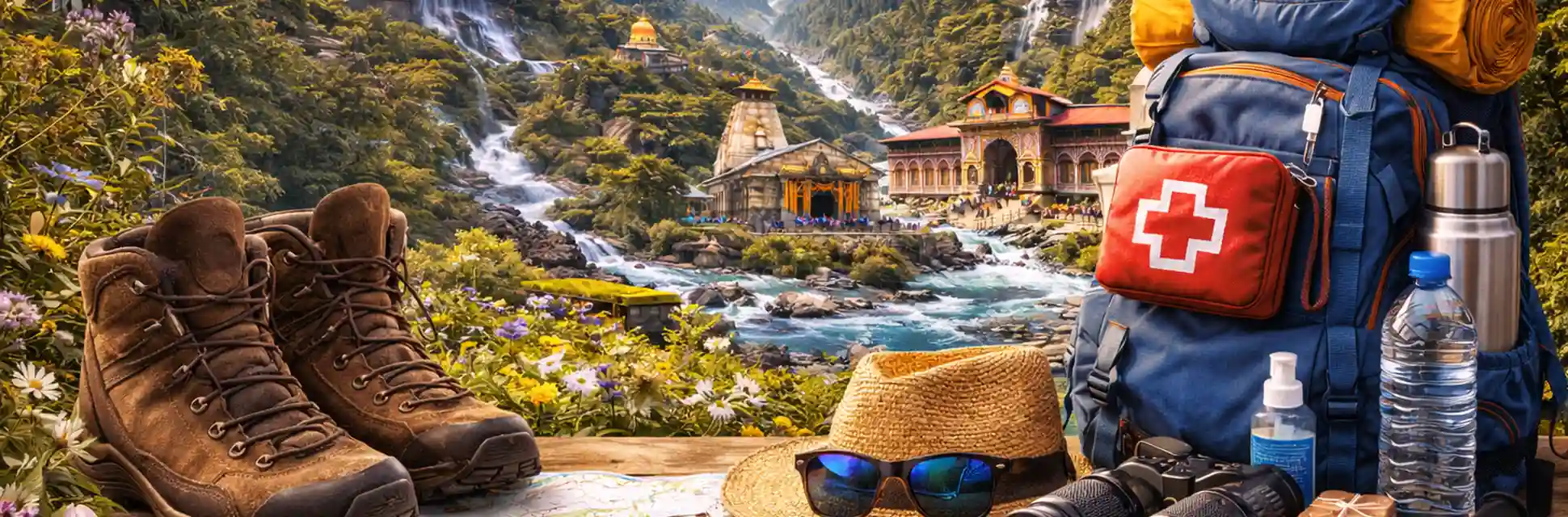
Chardham Yatra Essentials Checklist
Essential Items | Purpose |
|---|---|
Warm clothes | Protection from cold mountain weather |
Comfortable trekking shoes | Better grip and walking comfort |
Raincoat | Safety during sudden rain |
First-aid kit | Basic medical support during travel |
Power bank | Backup charging during long journeys |
Woollen socks | Warmth in cold temperatures |
Thermals | Extra protection in high altitudes |
Water bottle | Stay hydrated throughout the yatra |
ID proofs | Required for verification and bookings |
Who Should Avoid Chardham Yatra?
Category | Reason |
|---|---|
People with severe heart conditions | High-altitude travel can increase health risks |
Those advised against high altitudes | Mountain conditions may worsen medical issues |
Elderly pilgrims (unless medically cleared) | Physical strain and altitude can be challenging |
Pregnant women | Long travel and high altitudes are not recommended |
Top Tips for a Comfortable Yatra
Travel Tips | Benefit |
|---|---|
Start early every day | Avoid traffic and weather disruptions |
Stay hydrated | Prevent fatigue and dehydration |
Keep buffer days | Manage delays caused by weather or road conditions |
Book hotels in advance | Ensure better accommodation availability |
Carry cash | ATMs are limited in mountain regions |
Avoid night driving in the mountains | Safer travel on difficult hill roads |
Local Food to Try During Chardham Yatra
During the chardham yatra, you will experience simple and nourishing food prepared by local communities. These meals are designed to keep you warm and energized in the mountain climate.
Kafuli - A nutritious curry made from spinach and fenugreek leaves, perfect for restoring energy and warmth after long mountain travel.
Aloo ke Gutke a Spicy Potato Dish - A popular local potato preparation served hot and filling, commonly enjoyed by pilgrims along the Char Dham routes.
Mandua ki Roti - Made from ragi flour, this traditional bread provides long-lasting energy and helps sustain travellers during trekking and temple visits.
Jhangora ki Kheer - A soft and comforting dessert prepared with millet and milk, offering a light yet satisfying sweet experience.
Singori - A unique regional sweet wrapped in leaves, loved by travellers for its traditional flavour and cultural significance.
Bal Mithai - A rich and popular local sweet enjoyed by pilgrims looking to taste authentic mountain delicacies.
Warm Drinks and Soups - Hot tea, herbal drinks, and soups help travellers stay warm, refreshed, and comfortable in the cold Himalayan climate.
Essential Do’s and Don’ts for Chardham Yatra
Do’s | Don’ts |
|---|---|
Book your trip through trusted sources or verified services | Avoid booking from unknown agents or unofficial platforms |
Carry ID and registration documents at all times | Do not litter keep the environment clean |
Pack warm clothes and rain protection | Do not rush during trekking routes |
Consult a doctor before starting the Chardham Yatra | Always check weather updates before traveling |
Keep water, snacks and medicines handy | Avoid carrying too many valuables |
Support local businesses and communities | Stay respectful and polite with locals and guides |
FAQ's
Related Pages
Jan 21, 2026 | 1 Min Read
Dec 23, 2025 | 1 Min Read

Dec 15, 2025 | 1 Min Read
Dec 15, 2025 | 1 Min Read
Dec 15, 2025 | 1 Min Read

Dec 15, 2025 | 1 Min Read
Dec 15, 2025 | 1 Min Read
Dec 15, 2025 | 1 Min Read

Dec 15, 2025 | 1 Min Read
.webp)
Dec 14, 2025 | 1 Min Read
Last Updated: June 15, 2026