Explore Packages in Sikkim
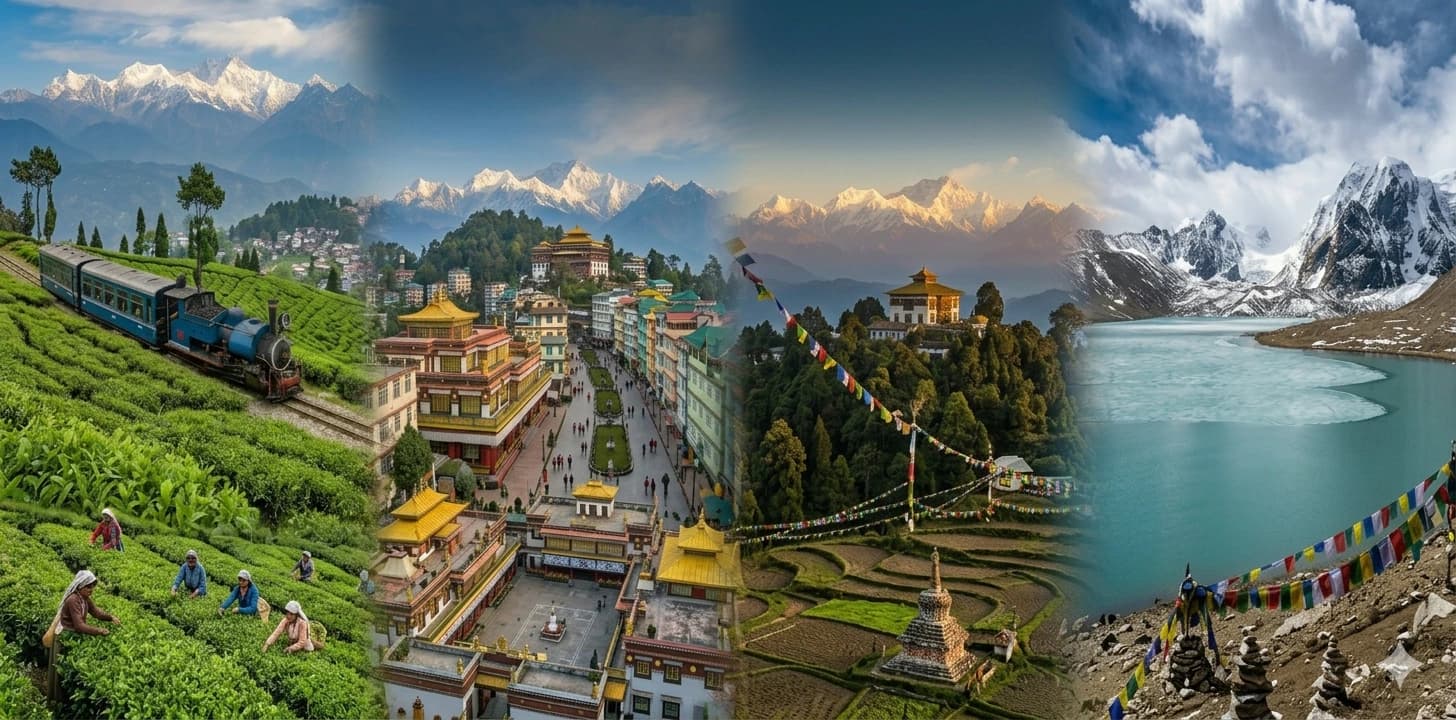
Sikkim, nestled in the eastern Himalayas of India, is one of the most tranquil and environmentally conscious destinations in the country. Despite being India’s smallest state, Sikkim offers extraordinary diversity in landscapes, culture, and experiences. From snow-capped peaks and glacial lakes to lush valleys and ancient monasteries, the state is a haven for travelers seeking peace, nature, and spiritual depth.
Geographically, Sikkim is dominated by the mighty Himalayan range and is home to Mount Kanchenjunga, the third-highest mountain in the world. The state’s terrain includes high-altitude passes, alpine meadows, dense forests, waterfalls, and river valleys carved by the Teesta River. This dramatic natural setting makes Sikkim a dream destination for nature enthusiasts, photographers, and slow travelers who appreciate untouched beauty.
Sikkim is deeply influenced by Buddhist culture and spirituality. The state is dotted with centuries-old monasteries that serve as spiritual and cultural centers. Rumtek Monastery, one of the most important monasteries in Tibetan Buddhism, attracts devotees and visitors from around the world. Other monasteries such as Pemayangtse and Enchey offer serene environments where travelers can experience meditation, rituals, and traditional architecture. Prayer flags, chortens, and chanting monks add a peaceful rhythm to daily life.
Culturally, Sikkim reflects a harmonious blend of Lepcha, Bhutia, and Nepali traditions. This multicultural heritage is visible in festivals, cuisine, clothing, and community life. Festivals like Losar, Saga Dawa, and Pang Lhabsol celebrate nature, faith, and local deities, offering travelers authentic cultural immersion. The warmth and discipline of local communities contribute significantly to the state’s welcoming atmosphere.
Sikkim is renowned for its eco-tourism and sustainability practices. As India’s first fully organic state, Sikkim places strong emphasis on environmental preservation, clean living, and responsible tourism. Plastic restrictions, clean cities, and conservation initiatives make travel here both refreshing and meaningful. Visitors often experience a sense of harmony between people and nature that is rare in modern travel destinations.
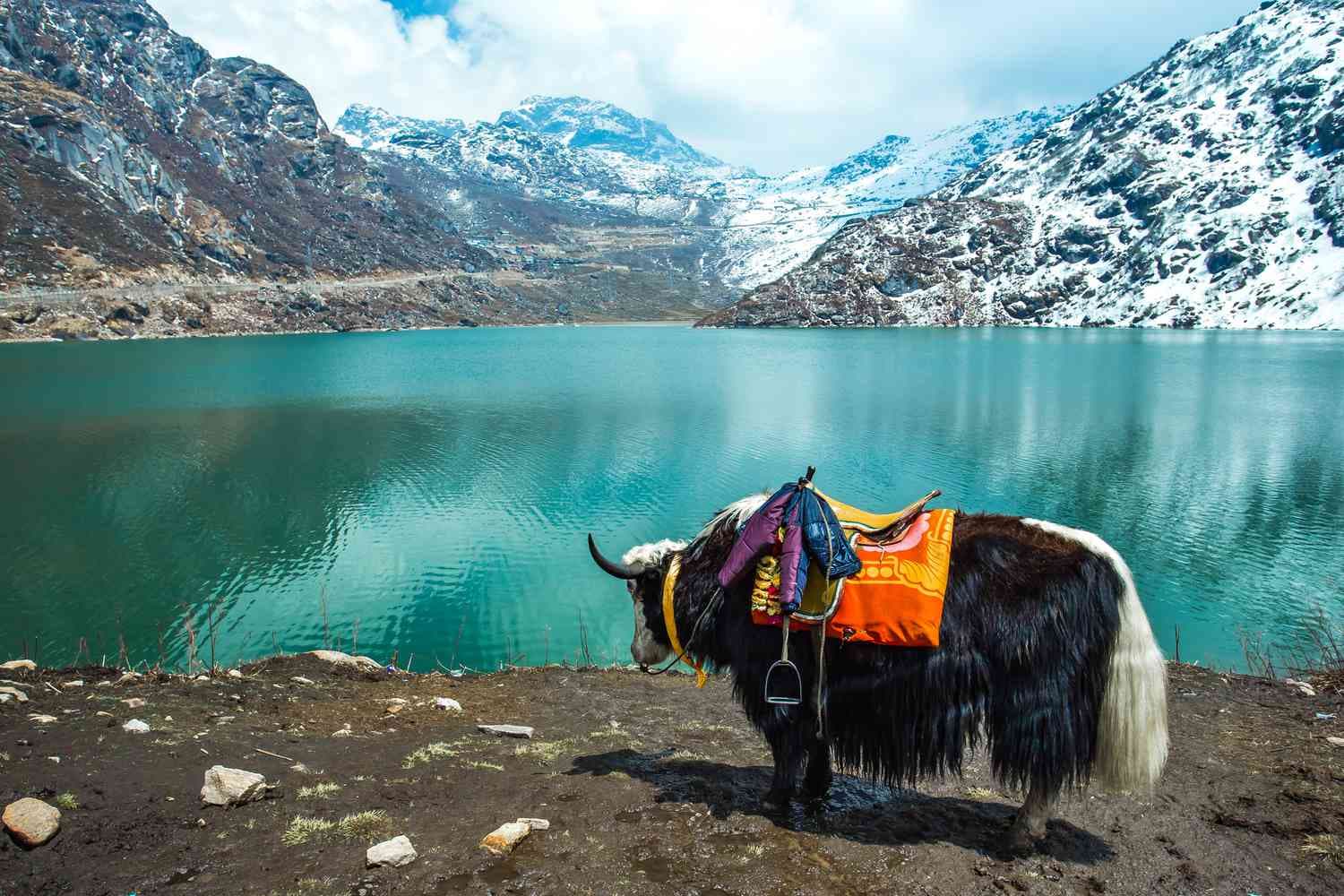
Nature-based experiences form the core of Sikkim tourism. Destinations such as Tsongmo Lake, Yumthang Valley, and Nathula Pass offer breathtaking scenery throughout the year. Yumthang Valley, also known as the Valley of Flowers of the East, blooms with colorful alpine flowers during spring, while Nathula Pass provides dramatic snow views and historical significance as a former Silk Route trading post.
Adventure seekers also find Sikkim highly rewarding. Trekking routes such as the Dzongri and Goecha La treks are among the most scenic in India, offering close-up views of Himalayan peaks. River rafting, mountain biking, and nature walks further enhance adventure tourism while maintaining ecological balance.
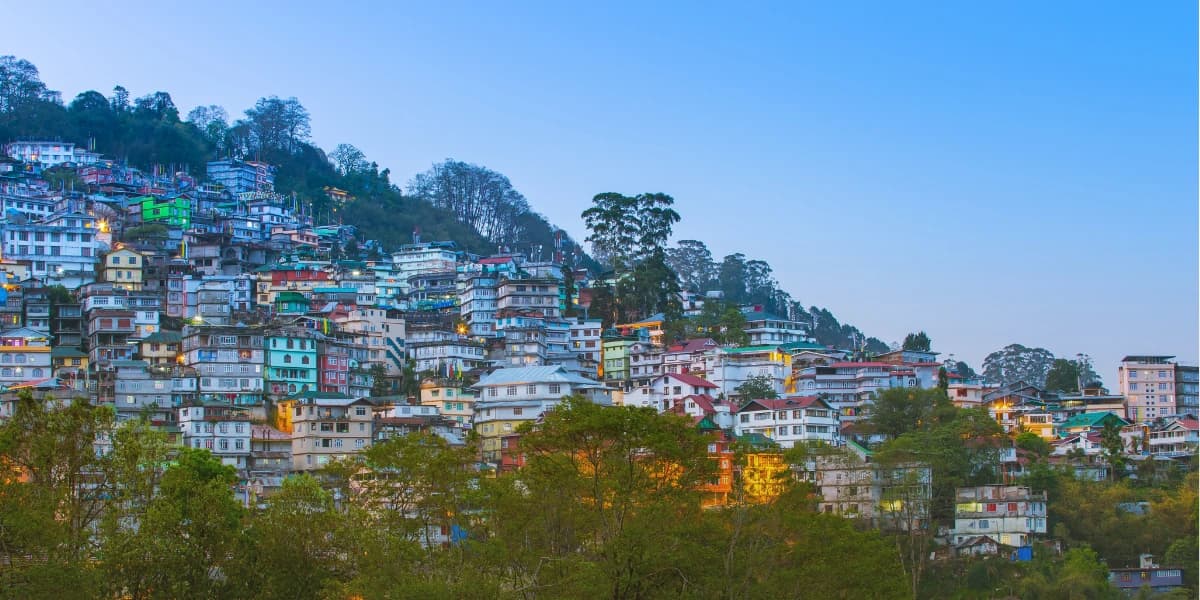
Gangtok, the capital city, blends modern comfort with traditional charm. Clean streets, monasteries, viewpoints, and cafés make it a pleasant base for exploring the state. From Gangtok, travelers can easily access nearby lakes, passes, monasteries, and border regions, making it an ideal hub for organized tours and group travel.
From a travel infrastructure perspective, Sikkim is steadily improving connectivity while maintaining its ecological integrity. Road networks link it to neighboring states, and accommodation options range from homestays and eco-lodges to premium mountain resorts. The state is well-suited for group tours, honeymoon travel, spiritual journeys, nature retreats, and wellness-focused travel.
The best time to visit Sikkim is from March to June for pleasant weather and blooming landscapes, and from September to November for clear mountain views. Winters bring snowfall to higher altitudes, offering magical scenery, though access may be limited in some regions.
Overall, Sikkim offers a rare travel experience rooted in calmness, culture, and conservation. It is not a destination of noise or rush, but one of reflection and connection. Whether travelers seek Himalayan beauty, spiritual peace, or responsible tourism, Sikkim delivers journeys that are deeply restorative and unforgettable.