Mountain Treks
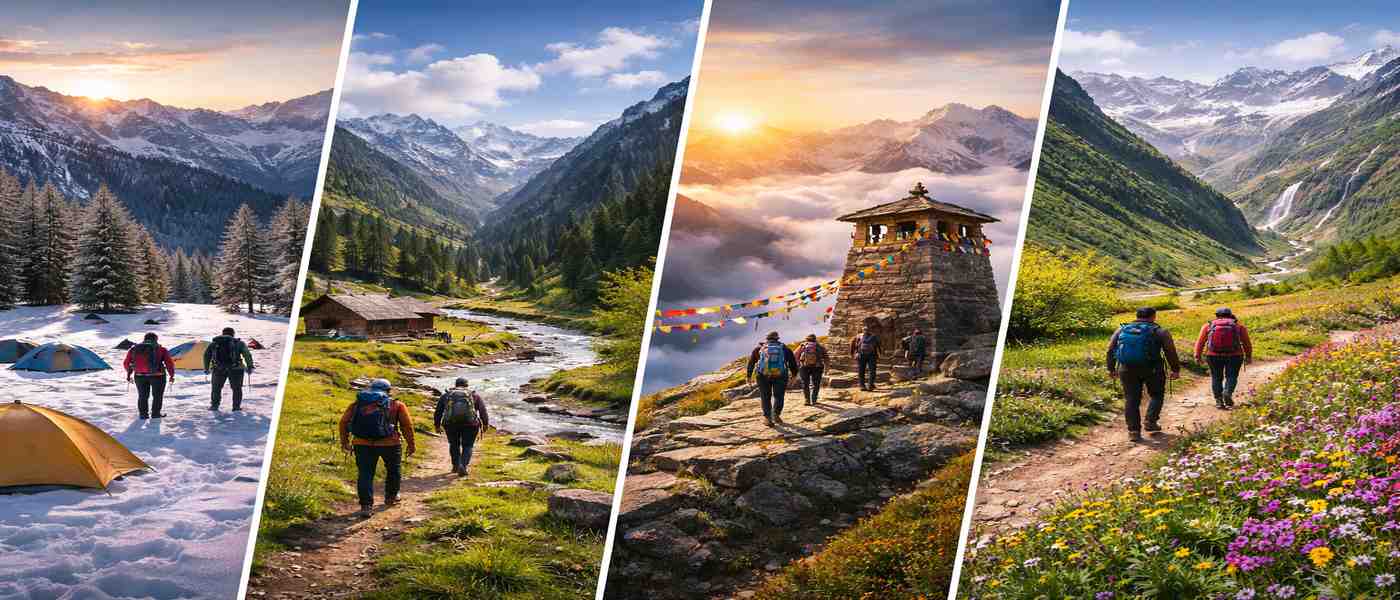
Mountain Treks are adventure-focused travel experiences designed for travelers who seek challenge, nature, altitude, and deep connection with the outdoors. These treks take explorers through rugged trails, alpine meadows, snow-clad passes, dense forests, and remote mountain villages, offering unmatched views and a strong sense of achievement. Mountain trekking is not just about reaching a destination—it is about the journey, endurance, and immersion in pristine natural landscapes.
At the heart of mountain treks lies the thrill of high-altitude exploration. Trekking routes are carefully chosen to showcase dramatic terrain, panoramic vistas, and changing ecosystems as elevation increases. From gentle forest paths to demanding ascents across rocky ridges and snowfields, mountain treks cater to a wide range of fitness levels and experience, including beginner-friendly routes as well as challenging expeditions for seasoned trekkers.
One of the defining features of mountain treks is their physical and mental reward. Trekking improves endurance, builds resilience, and offers a sense of accomplishment that few other travel experiences can match. The slower pace of trekking allows travelers to disconnect from routine life, digital distractions, and urban noise, replacing them with fresh air, silence, and the rhythm of nature. This makes mountain treks ideal for travelers seeking both adventure and mindfulness.
Mountain treks are deeply connected to natural diversity. As trekkers move through different altitudes, they encounter varied landscapes—river valleys, pine forests, alpine grasslands, glacial moraines, and snow-capped peaks. Wildlife sightings, wildflowers, and ever-changing weather add to the unpredictability and excitement of trekking journeys. These experiences are particularly appealing to nature lovers, photographers, and outdoor enthusiasts.
Professionally designed mountain trek packages prioritize safety and acclimatization. Trekking at altitude requires careful planning, gradual ascent profiles, and proper rest days to avoid altitude-related issues. Organized trekking packages include experienced guides, route planning, safety equipment, first-aid support, and emergency protocols. This structured approach makes mountain treks accessible even to first-time trekkers who may lack technical experience.
Mountain treks are often conducted in small groups, fostering camaraderie and teamwork. Group trekking enhances safety, creates shared motivation, and builds lasting bonds among participants. Many trekkers form strong connections through shared challenges, campfire conversations, and collective achievements. For solo travelers, mountain treks offer the perfect blend of independence and social interaction.
Accommodation during mountain treks typically includes camping, mountain lodges, tents, or basic guesthouses, depending on the route and region. These simple stays enhance the authenticity of the trekking experience, allowing travelers to live close to nature. Evenings are spent resting, sharing meals, stargazing, and preparing for the next day’s journey, reinforcing the immersive nature of trekking travel.
Mountain treks also provide rich cultural exposure. Many trekking routes pass through remote villages where local communities maintain traditional lifestyles shaped by the mountains. Trekkers may encounter shepherds, farmers, monks, and indigenous cultures, gaining insight into mountain life, customs, and hospitality. This cultural interaction adds depth and meaning to the trekking experience beyond physical adventure.
From a seasonal perspective, mountain treks are highly dependent on weather and terrain conditions. Summer and autumn are generally ideal for high-altitude trekking, offering stable weather and clear views, while winter treks attract experienced adventurers seeking snow-covered landscapes and solitude. Seasonal planning ensures safety and maximizes scenic rewards, making professional guidance essential.
From an SEO and search intent standpoint, mountain treks attract users searching for trekking packages, high-altitude treks, Himalayan trekking tours, guided mountain treks, adventure trekking trips, and beginner-friendly treks. These users are often highly engaged and research-driven, making mountain trek category pages valuable for capturing organic traffic and directing users toward specific routes and difficulty levels.
Mountain treks integrate naturally with other adventure travel categories such as backpacking trips, solo travel, group tours, and weekend getaways. Many travelers start with short treks and gradually progress to longer or higher-altitude routes, creating opportunities for repeat bookings and loyalty. Trekking experiences often inspire lifelong interest in outdoor travel and exploration.
In recent years, mountain trekking has evolved to emphasize responsible and sustainable travel. Organized treks promote eco-friendly practices such as waste management, limited group sizes, local employment, and respect for fragile ecosystems. These principles protect mountain environments while ensuring that local communities benefit from tourism.
Mountain treks also appeal strongly to fitness-focused and wellness travelers. Trekking supports physical health, mental clarity, and emotional balance. The combination of exercise, nature exposure, and reduced digital stimulation contributes to overall well-being, making trekking a transformative experience rather than just a holiday.
In summary, mountain treks represent pure adventure, personal growth, and deep natural immersion. They offer travelers the chance to test their limits, explore remote landscapes, and reconnect with themselves through nature. Whether it’s a beginner-friendly mountain trail or a demanding high-altitude expedition, mountain treks deliver powerful experiences that stay with travelers long after the journey ends. For those seeking challenge, beauty, and authenticity, mountain treks remain one of the most rewarding travel categories available.
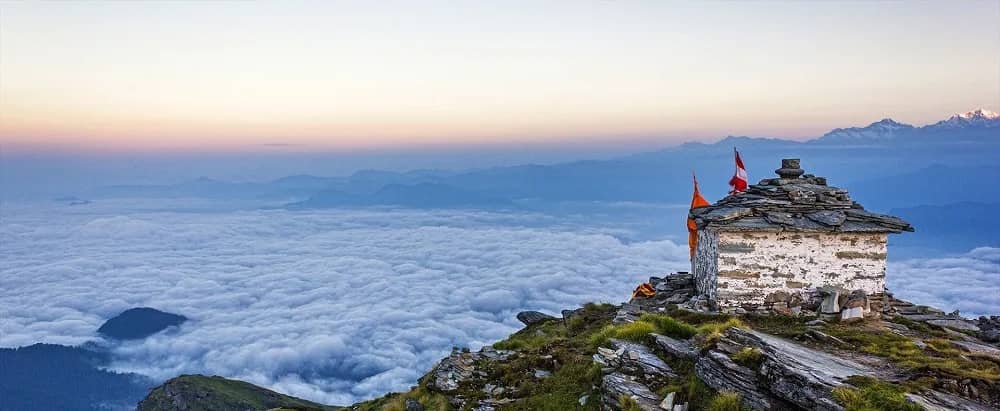
Tungnath – Chandrashila Trek
Duration
2N/3DPrice
₹6,999/-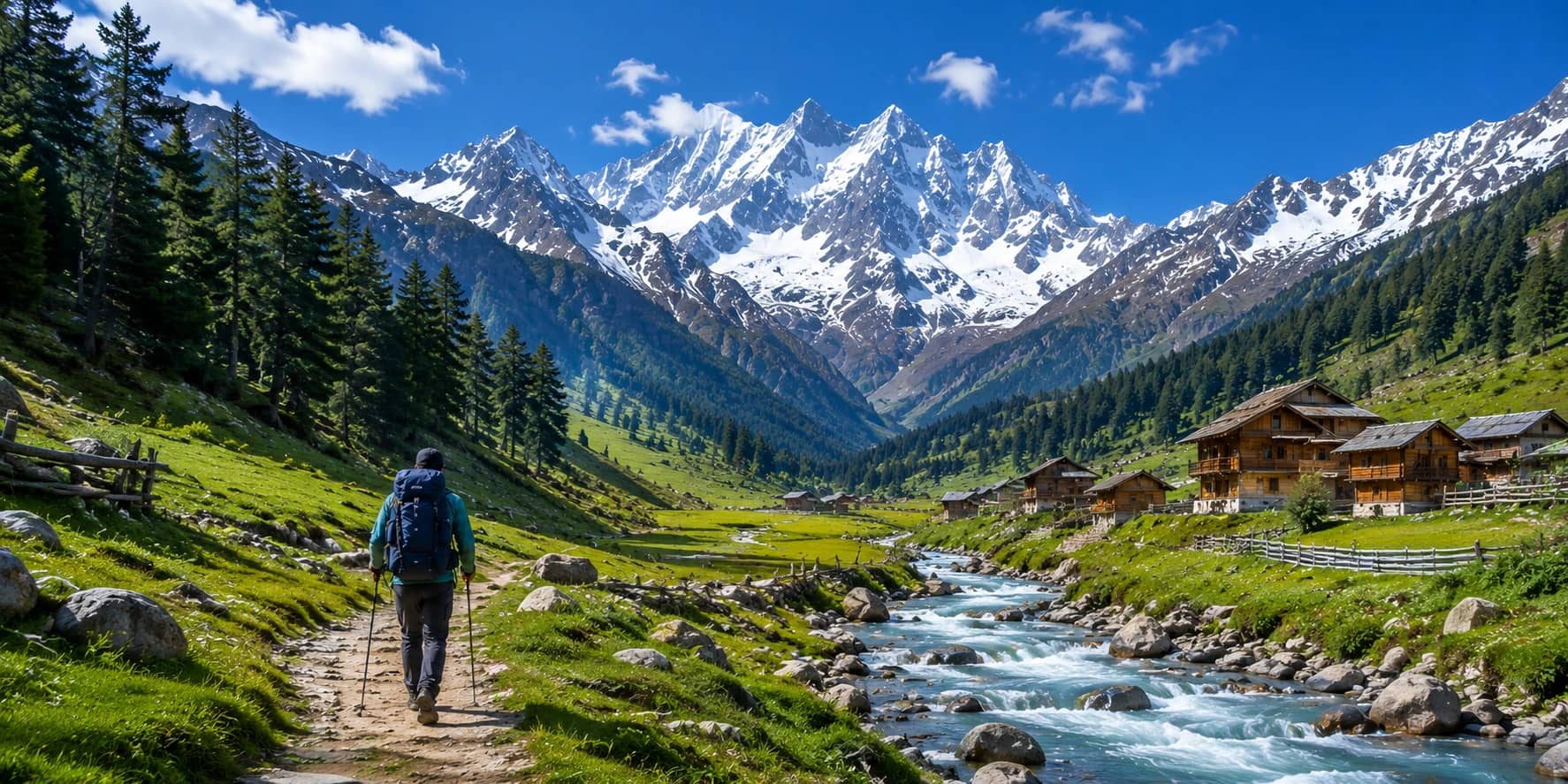
Har Ki Dun Trek Package – The Valley of Gods
Duration
6N/7DPrice
₹8,999/-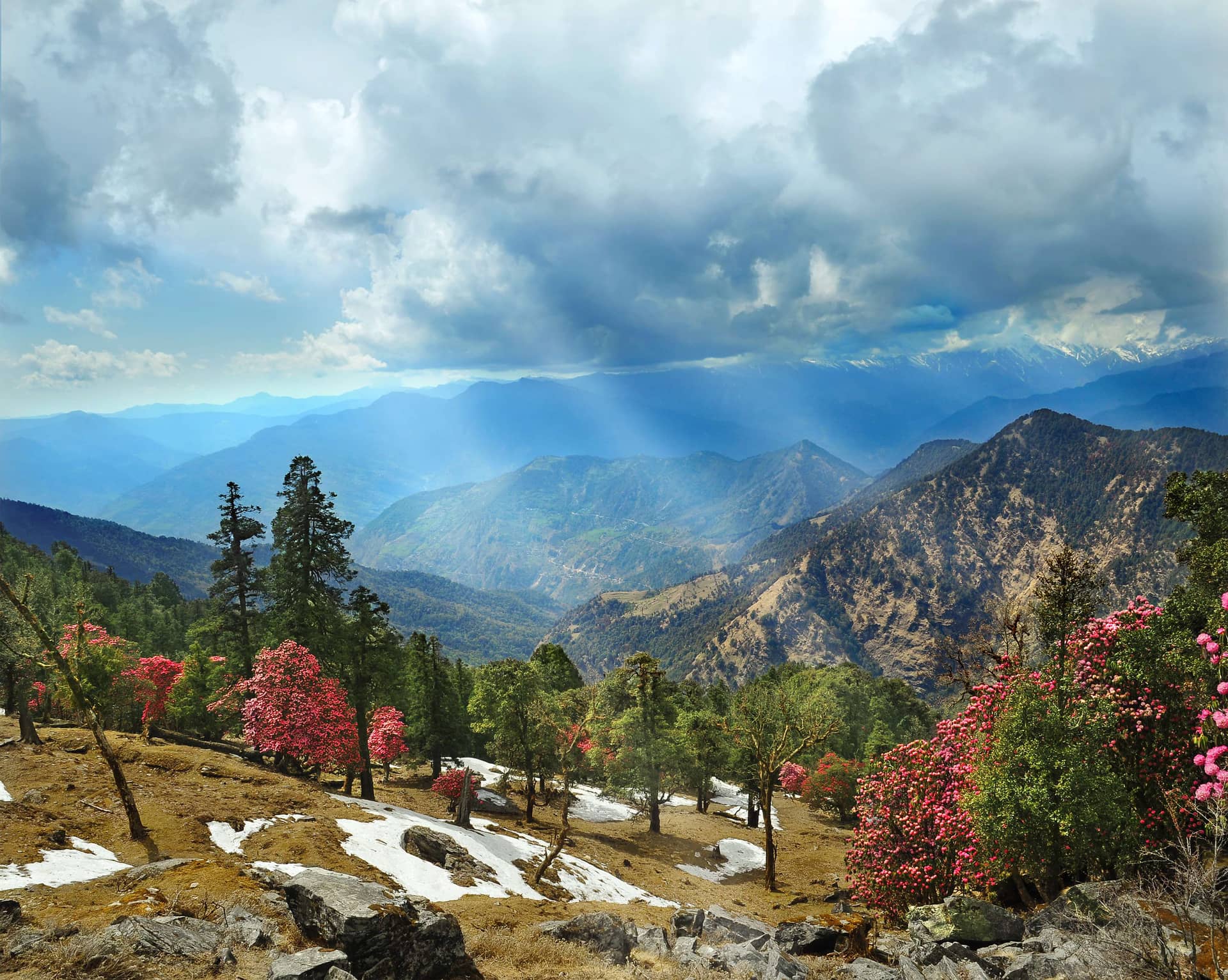
Nag Tibba Trek – The Serpent’s Peak
Duration
2N/3DPrice
₹5,999/-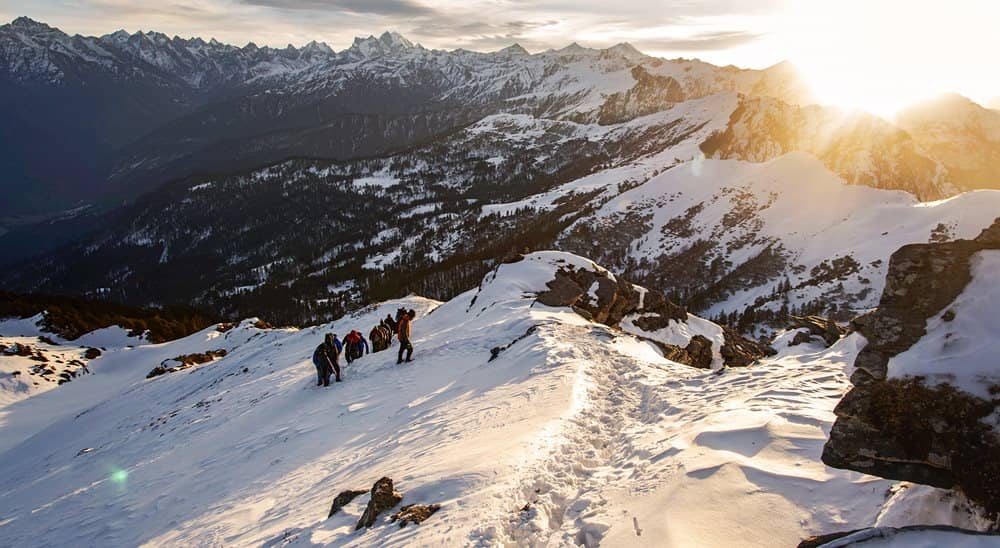
Kedarkantha Trek – The Crown Jewel of Winter Treks
Duration
5N/6DPrice
₹7,999/-
Kasol Kheerganga Trek
Duration
3N/4DPrice
₹6,999/-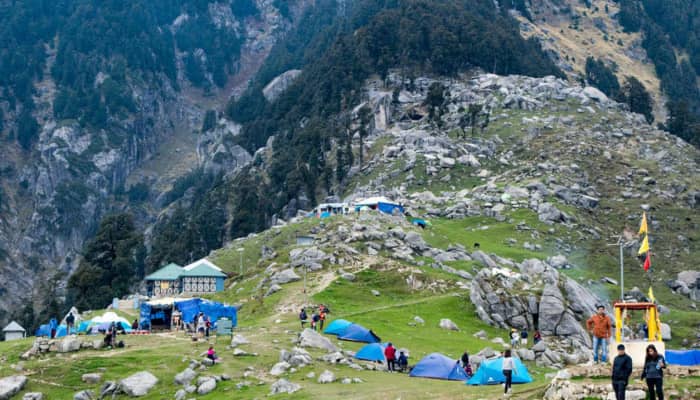
Triund Trek Package from Delhi
Duration
2N/3DPrice
₹6,999/-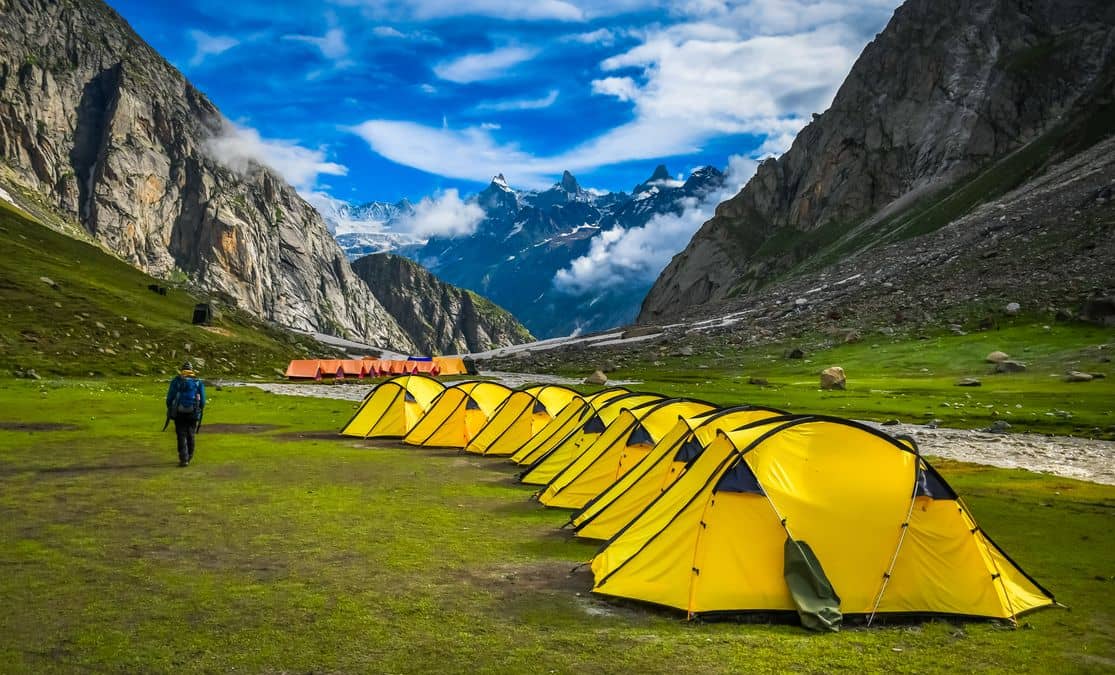
Hampta Pass Trek
Duration
5N/6DPrice
₹9,999/-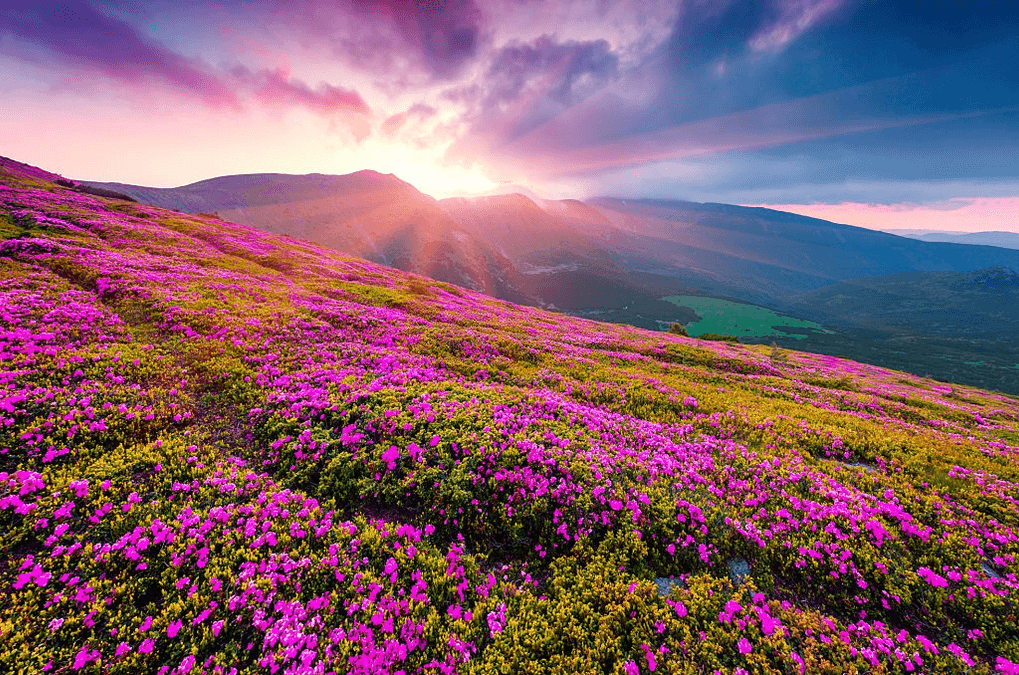
Valley of Flowers Trek
Duration
4N/5DPrice
₹8,999/-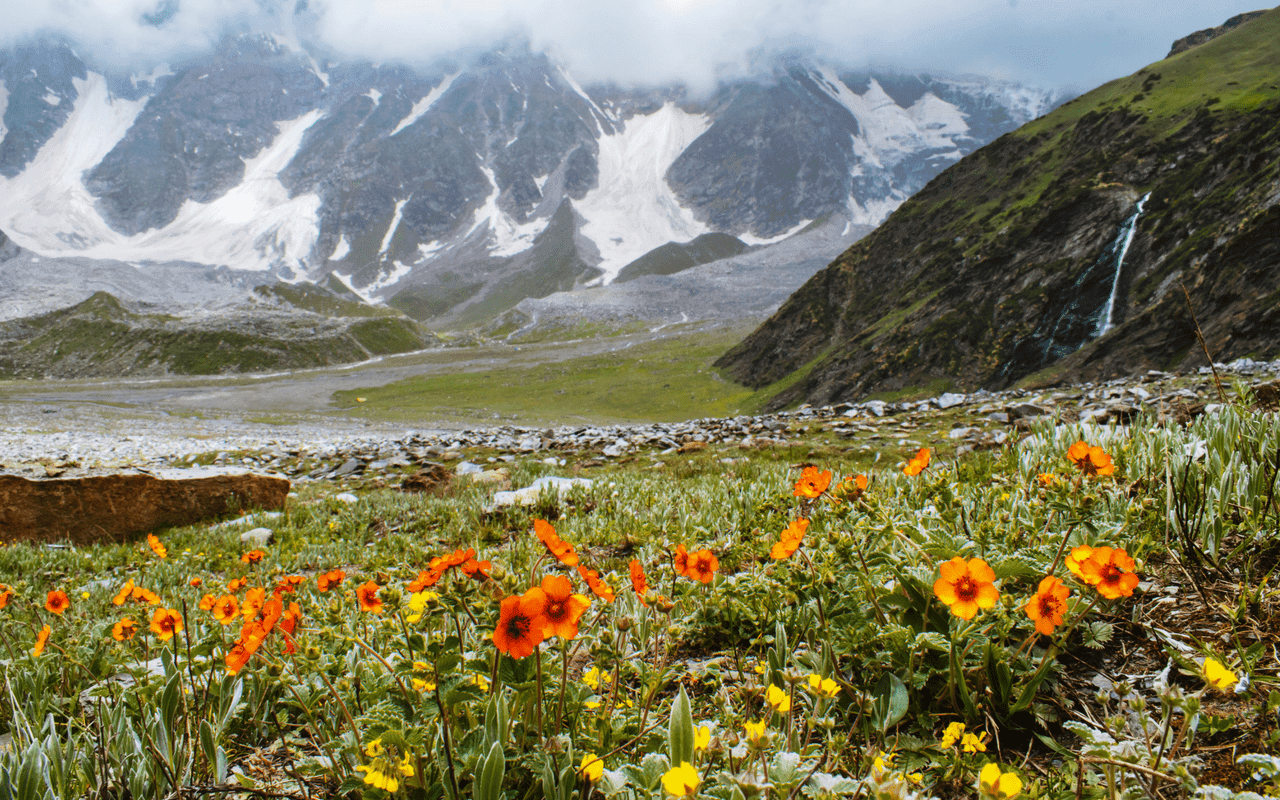
Beas Kund Trek
Duration
4N/5DPrice
₹8,499/-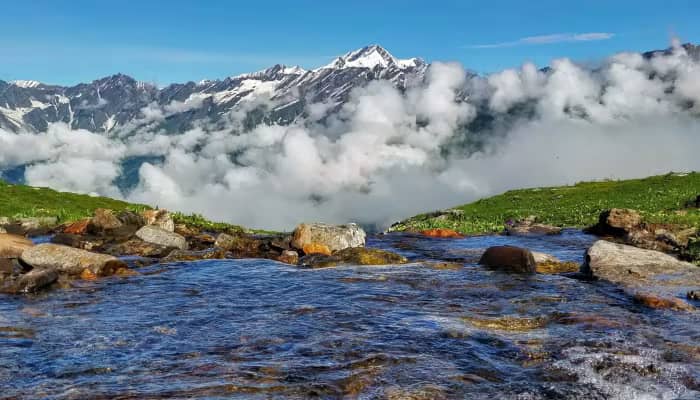
Bhrigu Lake Trek
Duration
4N/5DPrice
₹7,999/-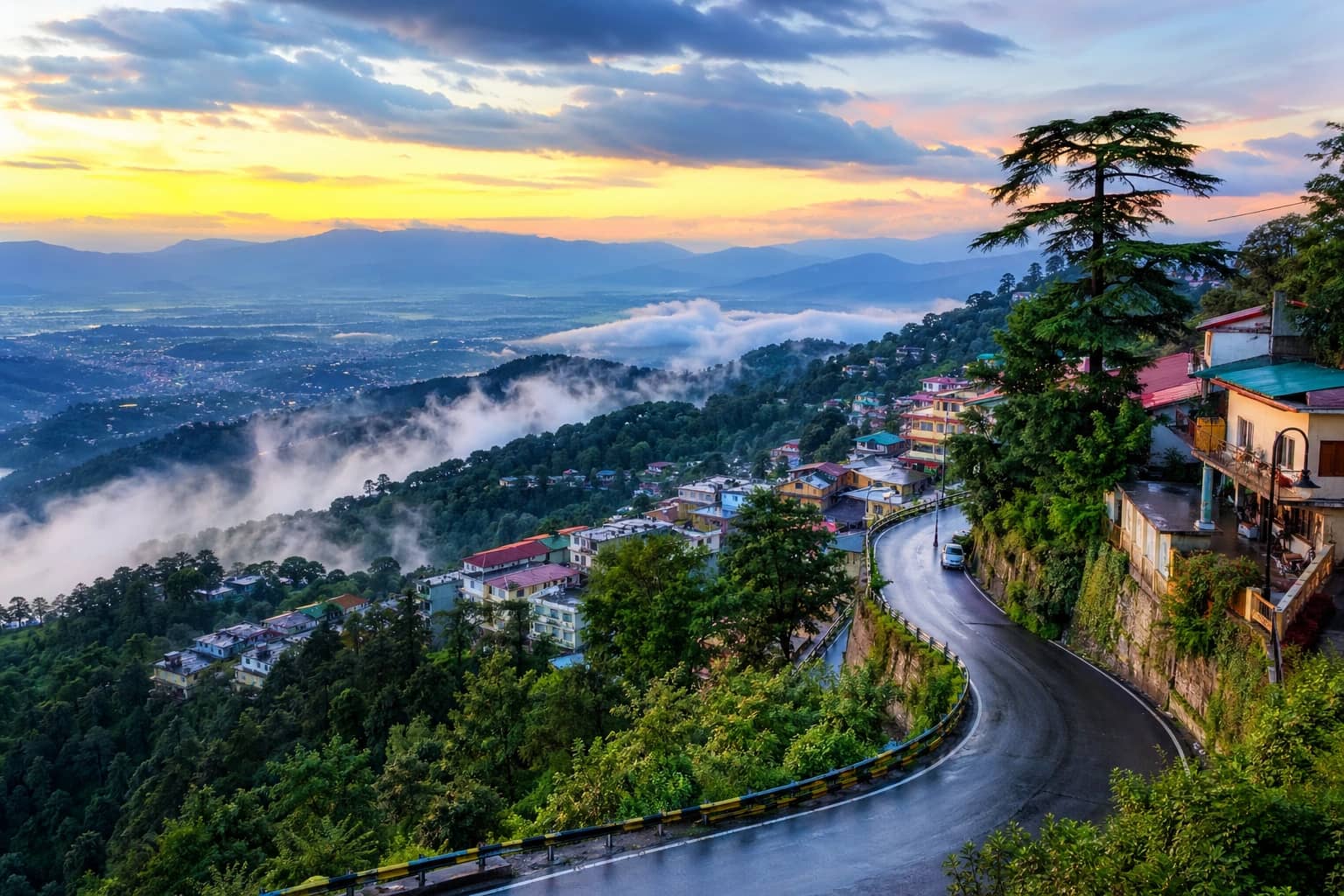
Dehradun Mussoorie Package from Delhi
Duration
2N/3DPrice
₹6,999/-