Explore the breathtaking Spiti Valley with our complete 2026 travel guide. Discover detailed itineraries, best time to visit, road routes, and tips for an unforgettable bike trip through this high altitude Himalayan desert. Perfect for adventure seekers and first time travelers alike.
Hidden in the cold desert mountains of Himachal Pradesh, Spiti Valley is one of India’s most breathtaking and raw travel destinations. Surrounded by the Himalayas, Spiti is often called “Little Tibet” because of its dramatic landscapes, rugged mountains, crystal clear rivers, ancient monasteries, and deep rooted Buddhist culture. The valley remains snow covered for much of the year and features a unique blend of Indian and Tibetan cultures.
The main town and administrative center of Spiti is Kaza, which serves as the base for travelers exploring nearby villages, monasteries, and high altitude passes.
Unlike commercial hill stations, Spiti Valley Tour offers:
High altitude desert beauty
Ancient monasteries over 1,000 years old
Remote Himalayan villages
Some of India’s most thrilling road trips
Stargazing in crystal-clear skies
At an altitude ranging from 12,000 to 15,000 feet, this valley tests your limits and rewards you with unforgettable views.
If you are planning a Spiti Valley trip in 2026, this guide covers everything:
Best time to visit
How to reach
Detailed itinerary
Budget breakdown
Bike trip planning
Tour packages
Travel tips
Why You Need Proper Planning for Spiti Valley
Spiti Valley is not a regular hill station where you can just pack your bags and go. It is a high-altitude cold desert located in Himachal Pradesh, where weather conditions, road situations, and health factors play a very important role in your journey.
Proper planning helps you avoid common problems like altitude sickness, roadblocks and lack of accommodation during peak season. Since Spiti is a remote region, facilities like ATMs, hospitals, and fuel stations are limited. That’s why having a well-planned itinerary, proper bookings and guidance from travel experts can make your trip smooth and stress-free.
If you plan it right, Spiti Valley Trip can become one of the most unforgettable experiences of your life.
Where is Spiti Valley Located?
Spiti Valley is located in the northeastern part of the Indian state of Himachal Pradesh, in northern India.
Geographic Details:
Situated in the cold desert mountain region of the Himalayas
Lies between Tibet (to the east) and Ladakh (to the north)
Part of the larger Lahaul and Spiti district
Altitude:
Spiti Valley sits at an average elevation of about 12,500 feet (3,800 meters) above sea level. It’s known for its dramatic landscapes, ancient monasteries, and remote Himalayan villages.
Key Locations:
Nearest major city: Manali
Alternate entry: Shimla
Sub-divisional headquarters: Kaza
Distance from Delhi: ~730 km
Spiti means “The Middle Land” land between India and Tibet.
Why Visit Spiti Valley?
Spiti Valley is not just a destination, it's an experience. From adventure to spiritual retreats, this Himalayan cold desert offers something truly unforgettable.
1. Raw Himalayan Landscape
Spiti is a paradise for thrill seekers. Whether it’s trekking, camping, river crossings, or high altitude biking, the rugged terrain promises pure adrenaline. Crossing the iconic Kunzum Pass at over 15,000 feet is an adventure in itself.
2. Ancient Monasteries & Spiritual Calm
Spiti houses some of the oldest Buddhist monasteries in India:
Key Monastery – 1000 year old monastery
Tabo Monastery – Known as the “Ajanta of the Himalayas”
Dhankar Monastery – Cliff-top monastery
3. The Ultimate Himalayan Road Trip
A road trip to Spiti is considered one of India’s most thrilling journeys. Narrow mountain roads, river crossings, and dramatic landscapes make every mile unforgettable. The route through Kunzum Pass and Rohtang Pass are considered among India’s most thrilling drives.
4. Chandratal Lake
The iconic crescent shaped Chandratal Lake sits at 14,100 ft and is one of the most photographed lakes in India.
Who Should Visit Spiti Valley?
Spiti Valley tour is perfect for different kinds of travelers:
Solo Travelers: Safe and peaceful destination with amazing landscapes
Couples: Ideal for offbeat and romantic experiences away from crowds
Adventure Lovers: Perfect for trekking, camping, and road trips
Bike Riders: One of the best destinations in India for bike trips
Photographers: Every corner offers breathtaking views
Budget Travelers: Affordable stays and food options available
Whether you want adventure, peace or exploration, Spiti trip has something for everyone.
Best Time to Visit Spiti Valley
The best time to visit Spiti Valley depends on what kind of experience you're looking for road trips, snow views, or peaceful isolation.
1. Summer (May to June) – Best Overall Time
Roads from Manali via Kunzum Pass usually open.
Pleasant daytime temperatures (10°C to 25°C).
Ideal for sightseeing, camping, and visiting villages.
Perfect time to explore Chandratal Lake.
Highly recommended for first-time visitors.
2. Monsoon (July to September) – Less Crowded
Spiti receives very little rainfall as it lies in a rain-shadow region.
Lush patches appear in some areas.
Roads from the Shimla side remain more reliable than the Manali route.
Occasional landslides can occur en route.
3. Winter (October to April) – Snow & Extreme Beauty
Heavy snowfall transforms Spiti into a white wonderland.
Temperatures can drop to -20°C or lower.
Many roads (especially via Kunzum Pass) remain closed.
Suitable only for experienced travelers seeking solitude and snow landscapes.
For most travelers, May to September is the best time to visit Spiti Valley offering accessible roads, clear skies, and stunning mountain views.
Also Read: Best Time to Visit Spiti Valley 2026: Complete Seasonal Guide
How to Reach Spiti Valley
Reaching Spiti is an adventure in itself. Due to its remote Himalayan location, the journey is long but incredibly scenic.
1. By Road (Most Popular Option)
There are two main routes:
Via Manali (Shorter but Seasonal)
Route: Manali → Rohtang Pass → Kunzum Pass → Kaza
Distance: ~200 km
Open: Usually June to October (closed in winter due to snow)
Most adventurous and scenic route
Best for thrill seekers and bikers.
Via Shimla (Longer but More Reliable)
Route: Shimla → Narkanda → Reckong Peo → Tabo → Kaza
Distance: ~420 km
Open: Almost throughout the year
Gradual altitude gain (less risk of altitude sickness)
Best for safer and more stable travel.
2. By Air
Nearest major airport: Chandigarh
From Chandigarh, travel by road (8–12+ hours depending on route).
A smaller airport is located in Bhuntar (near Kullu), but flights are limited.
3. By Train
The nearest broad gauge railway station to Spiti Valley is Chandigarh.
From Chandigarh, you can continue your journey to Spiti by road (bus, taxi, or self drive car).
Spiti Valley Route Map & Travel Routes
Spiti Valley can be reached via two main routes:
1. Shimla Route (Recommended)
Delhi → Shimla → Kalpa → Nako → Kaza
Open almost all year
Gradual altitude gain (less risk of AMS)
Best for first-time travelers
2. Manali Route (Adventure Route)
Delhi → Manali → Rohtang Pass → Kunzum Pass → Kaza
Open from June to October
Shorter but more challenging
Best for experienced travelers
Tip: If possible, enter from Shimla and exit from Manali for a complete circuit.
8–10 Day’s Spiti Valley Itinerary (Starting from Delhi)
This is a complete and practical circuit:
Delhi → Shimla → Kaza → Chandratal → Manali → Delhi
It allows gradual altitude gain and covers all major highlights of Spiti Valley.
Day 1: Delhi to Shimla (350 km | 7–9 hrs)
Drive or take an overnight Volvo from Delhi to Shimla.
Relax and prepare for the mountain journey.
Overnight: Shimla
Day 2: Shimla to Kalpa (220 km | 8–9 hrs)
Drive through the beautiful Kinnaur Valley to Kalpa.
Enjoy views of the Kinner Kailash range.
Overnight: Kalpa
Day 3: Kalpa to Tabo (150 km | 5–6 hrs)
Enter the Spiti region and reach Tabo.
Visit the ancient Tabo Monastery (over 1,000 years old).
Overnight: Tabo
Day 4: Tabo – Dhankar – Kaza (65 km | 3–4 hrs)
Visit Dhankar Monastery perched dramatically on a cliff.
Reach Kaza — the main hub of Spiti.
Overnight: Kaza
Day 5: Key Monastery & Kibber
Visit the famous Key Monastery.
Explore Kibber village.
Overnight: Kaza
Day 6: Langza – Hikkim – Komic
Visit high-altitude villages:
Langza
Hikkim (Highest post office)
Komic
Overnight: Kaza
Day 7: Kaza to Chandratal (100 km | 5–6 hrs)
Drive via Kunzum Pass to the stunning Chandratal Lake.
Camp overnight near the lake.
Day 8: Chandratal to Manali (130 km | 6–7 hrs)
Drive to Manali via rough but scenic mountain roads.
Overnight: Manali
Day 9: Manali to Delhi (540 km | 10–12 hrs)
Return to Delhi by car, bus, or overnight Volvo.
Why This Route is Best
Gradual altitude gain (reduces AMS risk)
Covers monasteries, villages & Chandratal
Perfect mix of adventure & culture
Classic Himalayan road trip circuit
Get the Complete Spiti Itinerary
Top Places to Visit in Spiti Valley
1. Key Monastery
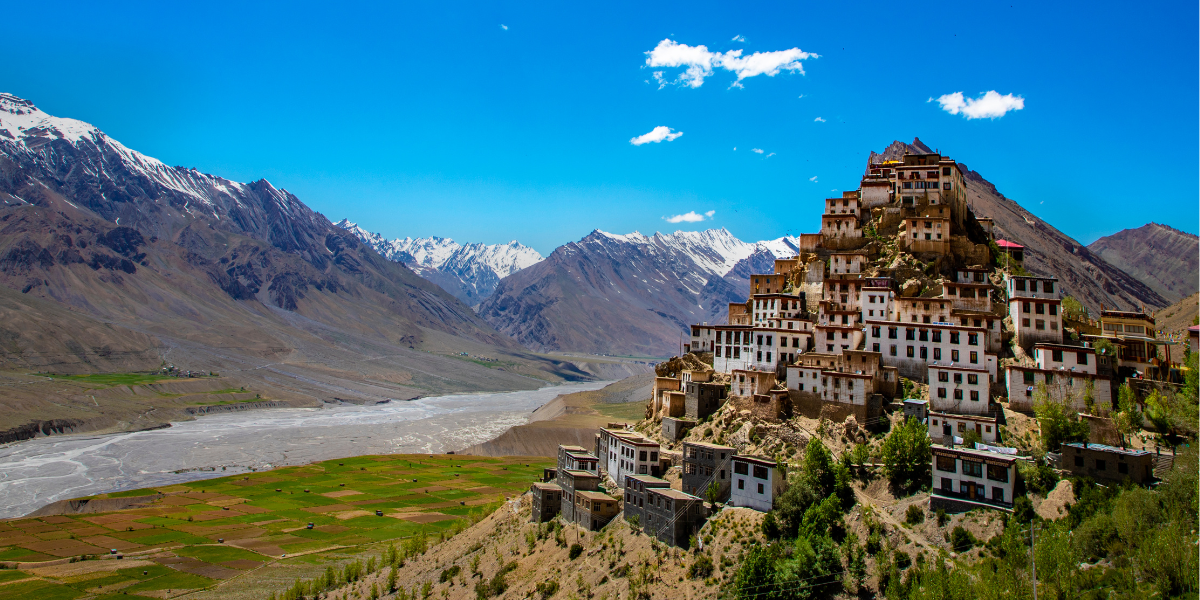
The most famous monastery in Spiti Valley, located near Kaza. Visiting Key Monastery is a highlight for anyone looking for historic monasteries in Spiti.
Why visit: Over 1,000 years old, Key Monastery is the largest monastery in the region and a center of Buddhist learning in Himachal Pradesh.
Highlights: Panoramic valley views, ancient murals, and meditation halls.
2. Chandratal Lake
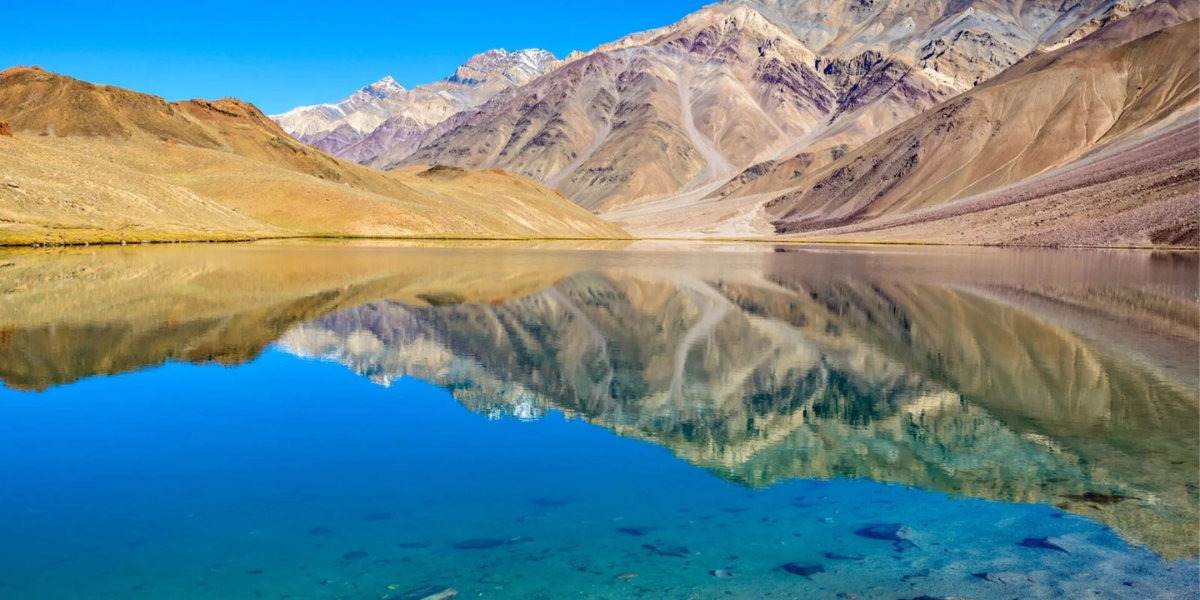
Also called the “Moon Lake,” Chandratal Lake is perfect for travelers looking for high-altitude lakes in Spiti Valley.
Why visit: Ideal for camping under the starry Himalayan sky.
Highlights: Turquoise waters reflecting snow peaks, trekking routes nearby.
3. Dhankar Monastery
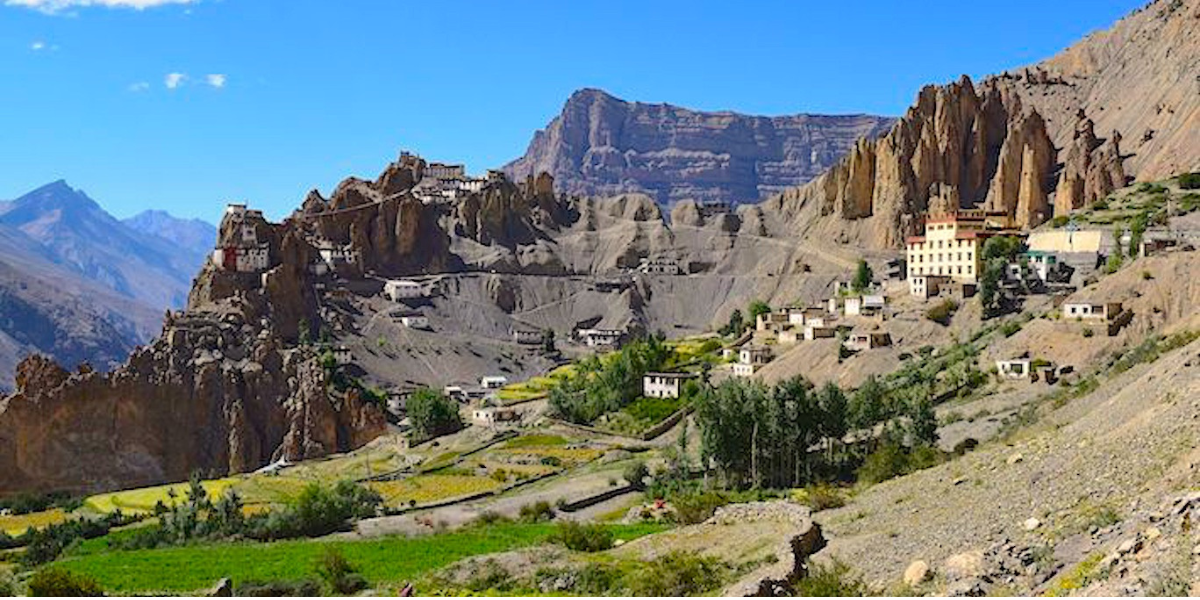
Perched dramatically on a cliff, Dhankar Monastery is a hidden gem in Spiti Valley for travelers searching for lesser-known monasteries in Himachal Pradesh.
Why visit: Offers panoramic views of the Spiti and Pin rivers.
Highlights: Ancient murals, monastery caves, and serene surroundings.
4. Kaza
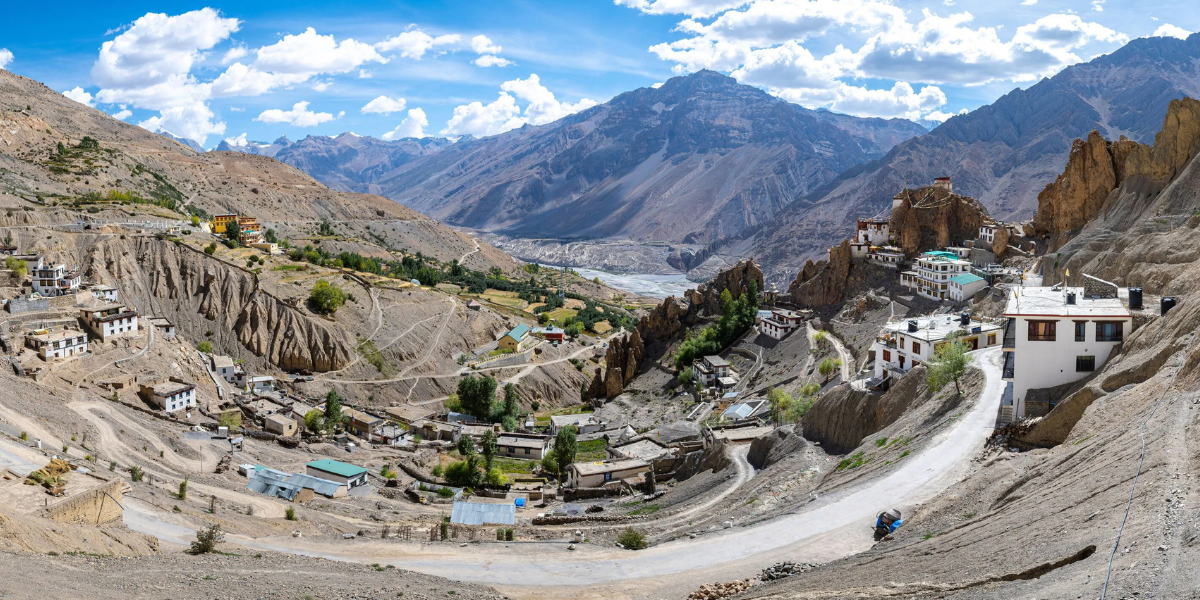
Kaza is the main town and travel hub of Spiti Valley.
Why visit: Central hub for exploring nearby villages, monasteries, and high altitude lakes.
Highlights: Local markets, cafés, homestays, and cultural immersion.
5. Kibber
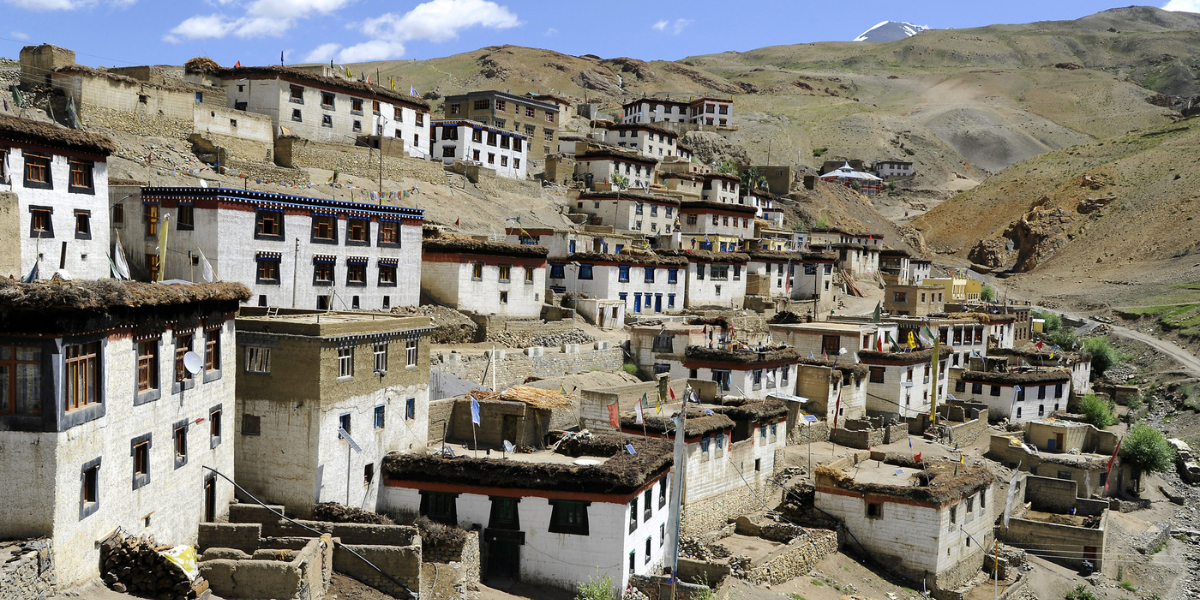
One of the highest motorable villages in the world, Kibber is perfect for adventure travelers.
Why visit: Scenic mountain landscapes and chance to spot snow leopards.
Highlights: Traditional Spitian houses and trekking opportunities.
6. Hikkim
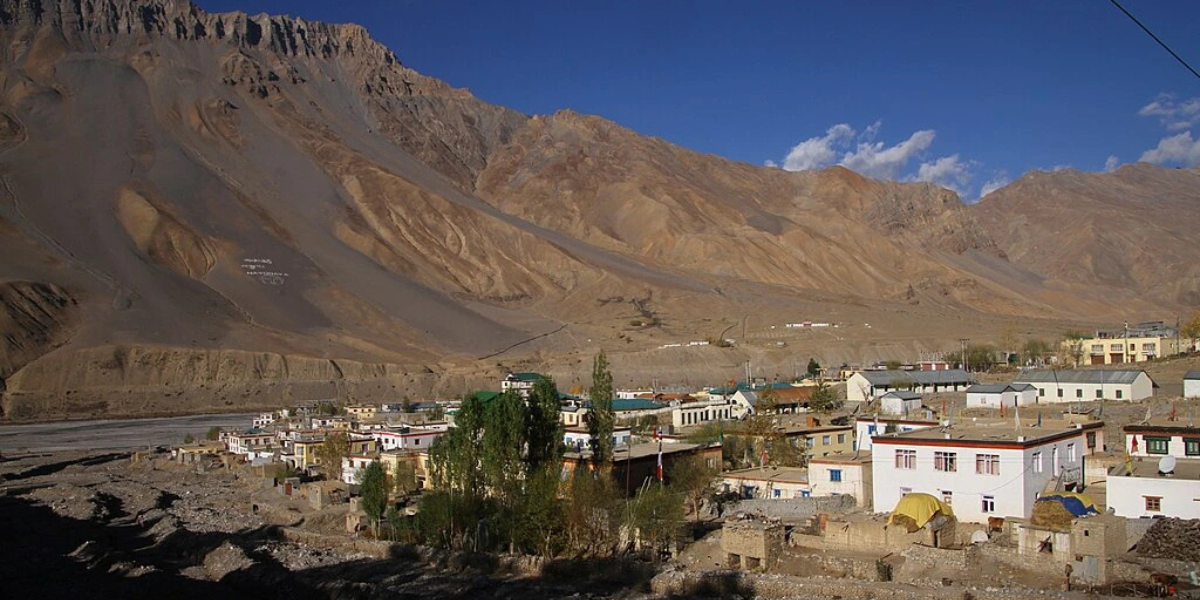
Hikkim has the world’s highest post office.
Why visit: Send postcards from the highest post office in the world and experience authentic village life
7. Komic
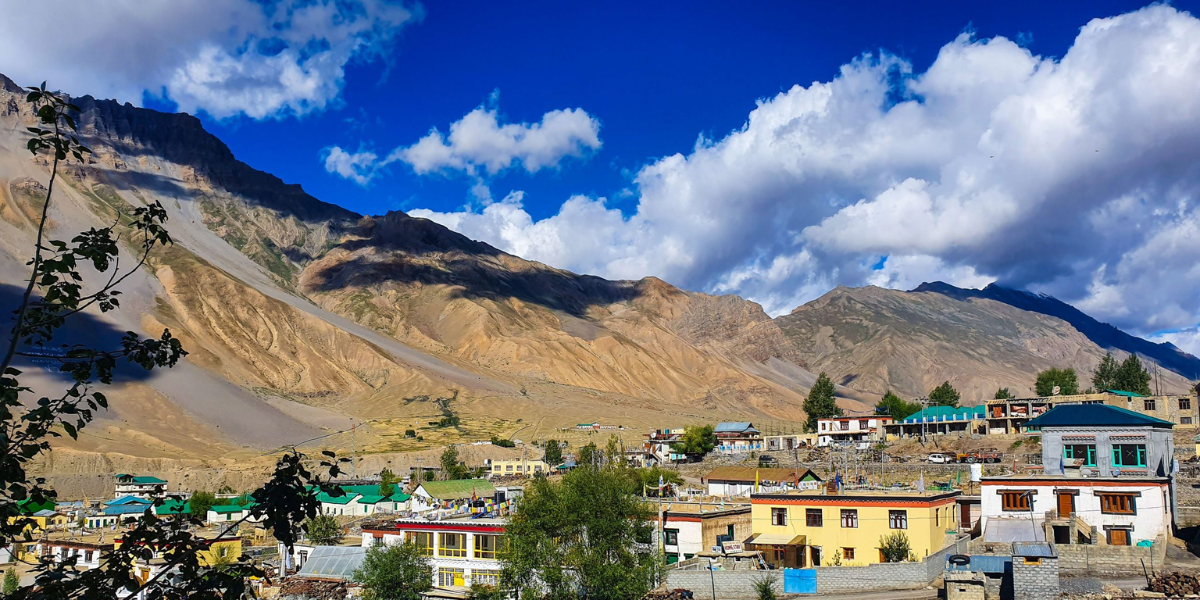
One of Asia’s highest villages connected by road.
Why visit: Peaceful, remote, and scenic with a small monastery.
Highlights: Stone houses, Himalayan views, and traditional culture.
8. Langza
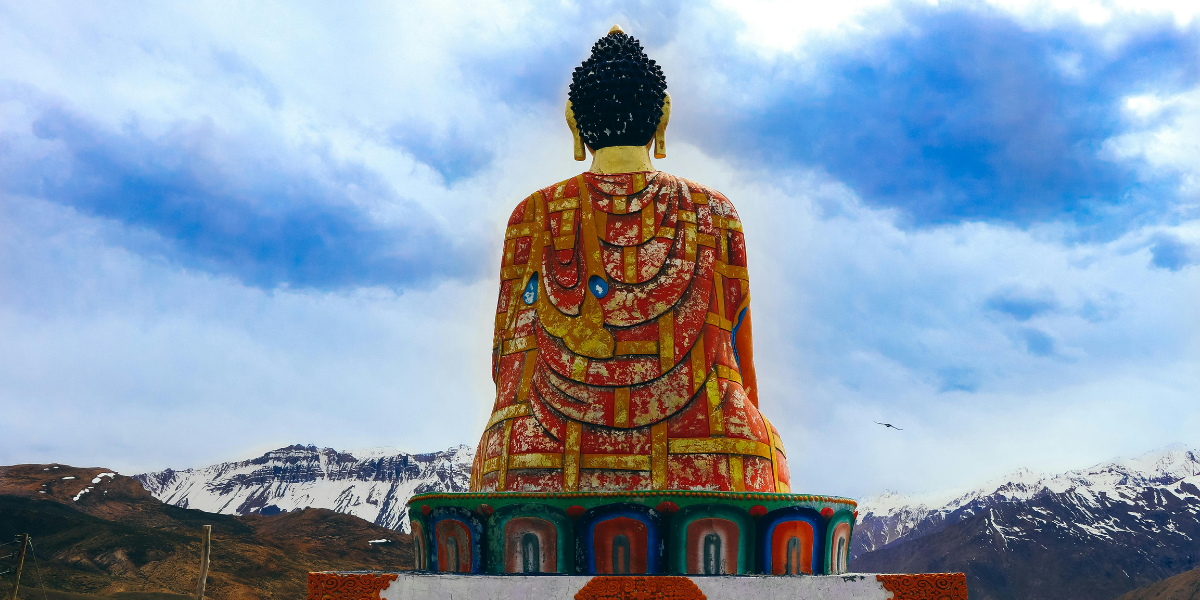
Langza is famous for its giant Buddha statue and fossil rich terrain.
Why visit: Ideal for photography and fossil hunting enthusiasts.
Highlights: Fossil fields, Buddha statue, and panoramic mountain views.
9. Kunzum Pass
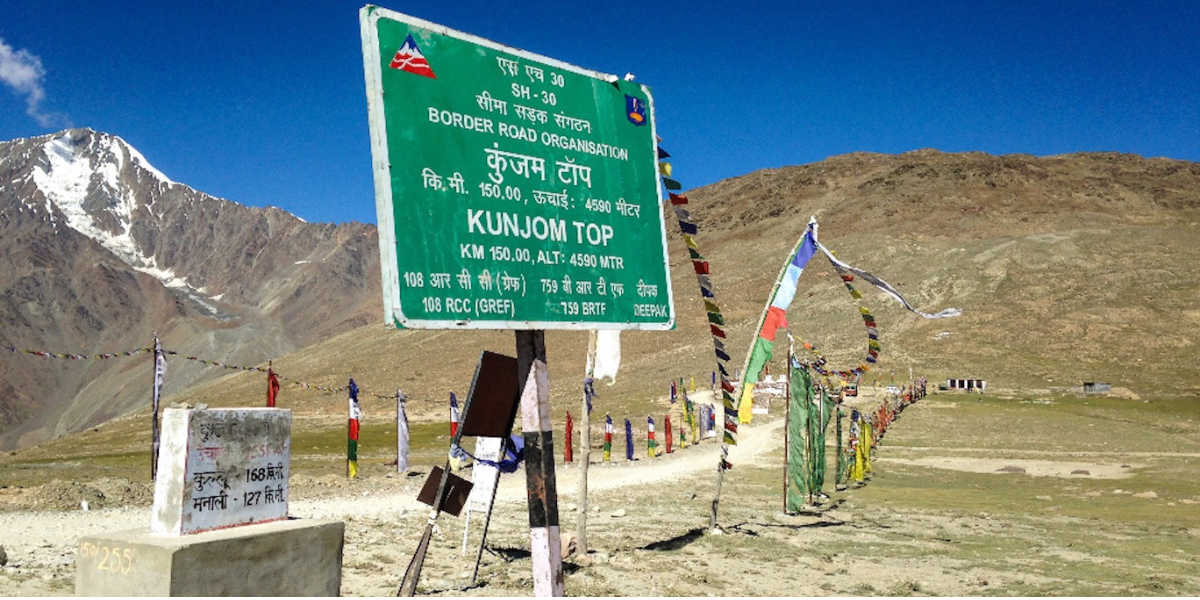
A thrilling high mountain pass connecting Spiti to Manali.
Why visit: Scenic drive with snow capped Himalayan peaks.
Highlights: Road trip photography, adventure travel, and panoramic views.
Hidden Gems in Spiti Valley
Apart from the popular attractions, Spiti Valley has many hidden gems that most tourists miss:
Pin Valley National Park: A peaceful valley known for wildlife and scenic beauty
Gue Village: Famous for the 500-year-old naturally preserved mummy
Mud Village: Last motorable village with stunning views
Dhankar Lake: A beautiful high-altitude lake that requires a short trek
Exploring these places will give you a deeper and more authentic Spiti experience.
Best Photography Spots in Spiti Valley
If you love photography, Spiti Valley is like a dream destination:
Key Monastery: Best for sunrise and sunset shots
Chandratal Lake: Perfect reflection photography spot
Langza Buddha Statue: Stunning backdrop with mountains
Kibber Village: One of the highest villages in the world
Spiti River Roads: Ideal for road trip shots
Don’t forget to carry extra batteries, as charging options can be limited.
Spiti Valley Trip Cost Breakdown
Travel Costs
Mode of Transport | Estimated Cost (INR) | Notes |
Delhi → Shimla (Volvo bus) | 900 – 1,200 per person | Overnight Volvo, AC seat |
Shimla → Kaza (Private taxi/shared cab) | 3,500 – 5,500 per vehicle | Can split among 4 passengers |
Kaza → Chandratal → Manali (Private taxi/shared cab) | 3,500 – 5,500 per vehicle | Includes Kunzum Pass |
Return to Delhi (Bus/Volvo) | 1,000 – 1,500 per person | Overnight bus to Delhi |
Tip: Buses are cheaper but slower; shared taxis help reduce costs if traveling in a group.
Accommodation Costs
Type | Estimated Cost (Per Night) | Notes |
Budget guesthouses / homestays | 800 – 1,200 | Basic rooms in Kaza, Tabo, etc. |
Mid-range hotels / cottages | 1,500 – 3,000 | Comfortable stays with breakfast |
Camps (Chandratal / Langza) | 800 – 1,500 | Usually includes tent & basic meals |
Tip: Book homestays in advance during peak season (May–Sep).
Food Costs
Meal Type | Estimated Cost (Per Meal) | Notes |
Local dhaba / small café | 150 – 250 | Thukpa, momos, dal-rice, tea |
Mid-range restaurant | 300 – 500 | Continental or Indian cuisine |
Camping meals | 300 – 500 | Usually included in camp charges |
Daily food budget: INR 500–800 per person is reasonable.
Activities & Sightseeing
Activity | Estimated Cost (INR) | Notes |
Entry to monasteries | 20 – 50 per monastery | Key, Dhankar, Tabo |
Local guide / trekking | 500 – 1,500 | Half-day or full-day guided treks |
Camping at Chandratal | 800 – 1,500 | Tent + meals included |
Bike rental (optional) | 1,200 – 1,500 per day | Royal Enfield or similar bikes |
Miscellaneous Costs
Item | Estimated Cost (INR) | Notes |
Fuel (if self-driving) | 3,000 – 5,000 | For the full circuit Delhi → Spiti → Manali |
SIM card / connectivity | 300 – 500 | Jio / Airtel work in Kaza; some areas limited |
Travel insurance | 500 – 1,000 | Recommended for high-altitude trips |
Approximate Total Trip Cost Per Person
Type of Trip | Approximate Cost (INR) |
Budget (bus + guesthouses + food) | 12,000 – 15,000 |
Mid-range (shared taxi + mid-range stays + activities) | 20,000 – 25,000 |
Adventure / private (private taxi/bike + camping + guides) | 30,000 – 40,000 |
Tip: Costs can vary depending on season, travel style, and group size. Peak season (May–Sep) may be slightly higher.
Where to Stay in Spiti Valley
Spiti offers a variety of stay options depending on your budget:
Kaza (Main Hub)
Hotels, guesthouses, and cafes
Best place to stay for comfort and connectivity
Village Homestays
Available in Langza, Kibber, Tabo, Dhankar
Experience local culture and food
Chandratal Camps
Best for nature lovers
Open only during summer months
Tip: Always pre-book during peak season to avoid last-minute issues.
Food in Spiti Valley: What to Eat and Where
Spiti Valley may be remote, but its local cuisine is hearty, simple, and perfect for high altitude living. Food here reflects the cold desert environment, Tibetan influence, and local agriculture.
Must Try Local Dishes
Thukpa – Tibetan-style noodle soup, warm and filling for cold days.
Momos – Steamed or fried dumplings with vegetables or meat, usually served with spicy chutney.
Tingmo – Soft steamed bread, often eaten with curry or soup.
Chhurpi – Local hard cheese, sometimes served fried or in soups.
Skyu – Traditional Spitian pasta dish made with flour, vegetables, and cheese, perfect for energy at high altitudes.
Butter Tea (Po Cha) – A salty, buttery Tibetan tea that keeps you warm in freezing weather.
Tip: Carry snacks like nuts, chocolates, and energy bars during treks or road trips food options are limited between villages.
Popular Spiti Valley Meals
Breakfast: Thukpa, tingmo, butter tea, porridge.
Lunch/Dinner: Momos, skyu, vegetable curries, lentil soups, rice, and barley dishes.
Snacks: Dry fruits, Tibetan biscuits, local fried dough (khambir).
Where to Eat in Spiti Valley
Kaza Town: Cafés and small restaurants offer a mix of local and simple Indian food. Popular spots include local homestays and small eateries serving fresh momos and thukpa.
Tabo & Dhankar: Small guesthouses and monastery cafés serve authentic local dishes.
Camping at Chandratal or Langza: Meals are included in tents; expect simple vegetarian dishes like dal, rice, and soup.
Drinks & Refreshments
Butter tea: Traditional and warming.
Black tea / Masala tea: Available in most dhabas and homestays.
Instant coffee / packaged drinks: Found in bigger villages like Kaza.
Tips for Travelers
Limited variety in remote villages: Don’t expect extensive menus; plan snacks ahead.
Vegetarian-friendly: Most local dishes are vegetarian or can be prepared that way.
Stay hydrated: High altitude can dehydrate you; carry water or purification tablets.
Important Travel Tips for Spiti Valley
Traveling to Spiti Valley requires some preparation due to its high-altitude terrain, remote villages, and cold desert climate. Here are the key tips to ensure a safe and enjoyable trip:
Get Used to the Altitude – Spend a day or two at lower altitudes like Shimla or Kalpa before heading to Kaza to reduce the risk of altitude sickness.
Carry Cash – ATMs are very limited in Spiti; keep enough cash for food, accommodation, and transport.
Mobile Connectivity – BSNL and Jio networks work best in Spiti Valley. Remote villages may have no signal.
Carry Warm Clothes – Temperatures can drop even in summer, especially at night or at high-altitude passes like Kunzum Pass.
Avoid Plastic – Spiti is an ecologically sensitive area; carry reusable bottles and bags to minimize waste.
Pro Tip: Always start early for long drives, respect local culture, and keep essential medicines handy for high altitude travel.
Sample Spiti Valley Tour Packages
1. 5–6 Days Spiti Road Trip Package
Duration: 5–6 nights / 6–7 days
Route: Manali / Shimla → Spiti Valley → Kaza → Return
Inclusions: Transport, accommodation, sightseeing
Approx. Cost: ₹15,000 – ₹19,000 per person
Highlights: Key Monastery, Kaza town, Dhankar, local villages, panoramic routes.
2. 7–8 Days Spiti Valley Classic Package
Duration: 7 nights / 8 days
Start From: Delhi / Chandigarh / Shimla
Inclusions: Transfers, hotels/guesthouses, meals, guided sightseeing
Approx. Cost: ₹18,000 – ₹29,999 per person
Highlights: Kaza, Key Monastery, Kunzum Pass, Chandratal Lake, Langza & Hikkim.
Spiti Extreme Expedition (7N/8D) – ~₹18,999
Summer Spiti with Chandratal (7N/8D) – ~₹29,999
3. Spiti Bike Trip Tour Package
Duration: 7–10 days
Start From: Delhi / Chandigarh / Manali
Inclusions: Bike rental, fuel, accommodation, support vehicle (optional)
Approx. Cost: ₹18,000 – ₹40,000+ per person
Highlights: Panoramic riding routes, high passes, remote villages, adventure experience.
4. Summer & Winter Spiti Custom Tours
Spiti tour operators also offer custom itineraries that mix Spiti with nearby regions like Kinnaur and Tirthan Valley:
Spiti + Kinnaur Circuit (8–10 days) – Includes Sangla, Kalpa, Tabo, Kaza, Chandra Tal, Manali.
Winter Spiti Adventure (6–8 days) – Special seasonal tours including snowy routes and cultural experiences.
Approx. Cost: ₹16,000 – ₹45,000 per person depending on inclusions.
5. Budget & Group Tours
Many tour agencies list 7–10 day group packages with hotels, transfers, and sightseeing included, often under ₹25,000 per person (subject to season and fixed departures).
What’s Usually Included
Transport (pick‑up/drop)
Accommodation (guesthouse/hotels)
Meals / breakfast
Guided sightseeing and entry charges
Sightseeing to major attractions like Key Monastery, Dhankar,
Chandratal Lake, and high‑altitude villages.
Tips Before Booking
Check the departure city (Delhi/Chandigarh/Manali/Shimla).
Confirm whether meals and sightseeing are included.
Ask for acclimatization stops and altitude safety support.Peak season is May–September due to road closures in winter.
Why Book Spiti Valley with MusafirBaba
Planning a trip to Spiti Valley can be challenging due to its remote location, high altitude roads, and limited accommodations. Booking with MusafirBaba makes your journey safe, smooth, and unforgettable. Here’s why:
1. Expertly Planned Itineraries
MusafirBaba offers customized Spiti Valley itineraries that cover all the top attractions:
Kaza, Key Monastery, Dhankar Monastery
Chandratal Lake, Kunzum Pass, Langza, Kibber
Adventure, culture, and photography spots
Each trip is designed to maximize your experience while minimizing travel stress.
2. Hassle-Free Travel
Pick-up and drop from Delhi, Manali, or Shimla.
Comfortable vehicles for high-altitude roads.
Optional bike rentals or guided tours.
MusafirBaba takes care of all travel arrangements, so you can enjoy the journey without worrying about logistics.
3. Safe & Comfortable Stays
Verified guesthouses, homestays, and hotels in Kaza and nearby villages.
Camping options at Chandratal Lake for adventure enthusiasts.
Focus on comfort, hygiene, and authentic local experiences.
4. Experienced Guides & Support
Knowledgeable local guides for monastery visits, treks, and village tours.
On-road support and emergency assistance for bike or car trips.
Tips for altitude adjustment, road safety, and cultural etiquette.
5. Affordable & Transparent Pricing
No hidden charges; packages include transport, accommodation, and guided tours.
Flexible options for budget, mid-range, or luxury travelers.
Best way to save time, money, and effort in planning a high-altitude trip.
6. Stress Free Adventure
Booking with MusafirBaba ensures:
Smooth travel on high-altitude roads.
Guided trips to remote villages and hidden gems.
Focus on exploring Spiti’s beauty, culture, and adventure, not logistics.
Final Thoughts on Spiti Valley
Spiti Valley, nestled in the high Himalayas of Himachal Pradesh, is a land of breathtaking landscapes, ancient monasteries, high-altitude villages, and adventure. From the serene turquoise waters of Chandratal Lake to the spiritual aura of Key and Dhankar Monasteries, every corner of Spiti offers a unique Himalayan experience.
Traveling to Spiti may seem challenging due to its remote location, high-altitude roads, and limited facilities, but careful planning makes the journey safe, enjoyable, and unforgettable. Whether you’re on a road trip, bike adventure, or cultural exploration, Spiti Valley promises memories that last a lifetime.
Key Takeaways:
Best time to visit: May to September
Must-visit places: Kaza, Key Monastery, Chandratal, Kunzum Pass, Langza, Kibber, Hikkim, Komic
Travel tips: Get used to the altitude, carry cash, bring warm clothes, respect local culture, and avoid plastic
Booking your trip with trusted guides like MusafirBaba ensures hassle free transport, comfortable stays, guided sightseeing, and safety support, allowing you to fully immerse in the natural beauty and spiritual charm of Spiti Valley.
Spiti Valley isn’t just a destination, it's a journey into the heart of the Himalayas, offering adventure, culture, and peace in equal measure.
FAQ's
Author Information

Written By: Abhishek Rai editor
Abhishek Rai is a seasoned content writer and digital marketing specialist with a decade of experience in crafting high-impact narratives for the digital age. With a career spanning over 10 years, Abhishek has mastered the art of blending strategic storytelling with data-driven marketing to help brands find their unique voice. His expertise goes beyond simple wordplay; as a digital marketing specialist, he understands the mechanics of SEO, audience psychology, and conversion optimization. Whether it’s technical whitepapers, engaging blog content, or comprehensive digital strategies, Abhishek's work is defined by its clarity, purpose, and ability to drive results.
Last Updated: July 6, 2026
Related Pages
Mar 03, 2026 | 1 Min Read
Feb 26, 2026 | 1 Min Read
Last Updated: July 6, 2026