.webp&w=1920&q=75)
Heading to Spiti Valley for the first time? Discover simple travel tips, top attractions and practical advice to enjoy your journey to this Himalayan wonderland.
On this page
Spiti Valley is a land of contrasts barren deserts meet snow-capped peaks, ancient monasteries stand beside winding rivers, and quiet villages seem frozen in time. For first-time visitors, the sheer beauty and remoteness of the valley can be both thrilling and intimidating. Yet, stepping into Spiti Valley Travel Guide feels like stepping into another world, one where nature and culture exist in perfect harmony.
The journey to Spiti is as much a part of the adventure as the destination itself. Long, winding roads, high mountain passes, and panoramic views test your patience and reward it with some of the most stunning landscapes you will ever witness. It is a place where every turn tells a story, every village has a history and every sunrise or sunset is a masterpiece painted across the Himalayan sky.
Visiting Spiti is also about slowing down and appreciating the simplicity of life. Unlike tourist-heavy destinations, the valley allows travellers to reconnect with nature and observe a way of life that has persisted for centuries. The cold winds, rustic villages and welcoming locals make every experience memorable.
For first-timers, preparation is key. Understanding the terrain, culture and climate helps make your journey smoother. With the right mindset, even challenging roads and high-altitude deserts become part of the adventure that you will cherish for years.
How to Reach Spiti Valley
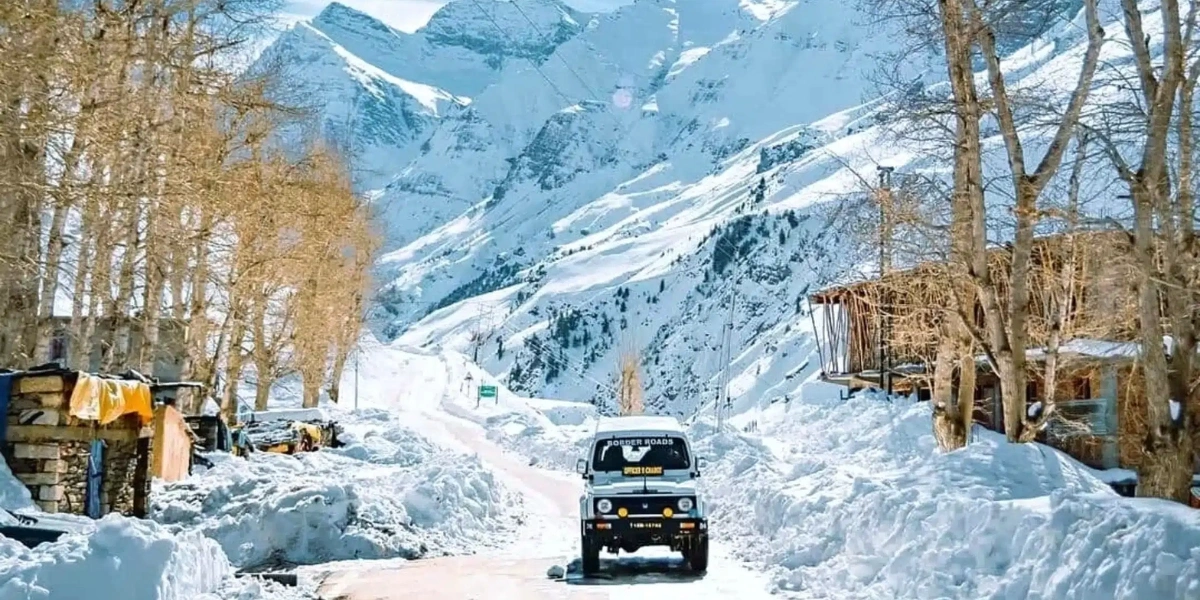
Most travellers enter Spiti from Manali, taking the road through Rohtang Pass and Keylong. This route is scenic but requires caution due to steep climbs, narrow roads and sudden weather changes. Travellers should start early in the morning to avoid traffic and allow daylight for high-altitude driving. Alternatively, the Shimla-Kinnaur-Spiti route offers slightly gentler terrain, fewer tourists and picturesque valleys along the way. Both routes provide unique experiences, so choose based on your comfort and timing.
Once on the road, it’s essential to maintain patience. Spiti’s terrain demands slow, careful driving, with frequent stops to enjoy the breathtaking views. The rivers, cliffs and valleys along the way are photo-perfect spots that can make even long drives enjoyable. For those relying on public transport, state-run buses are available, but private taxis and self-driven vehicles are recommended for flexibility.
Another tip is to ensure your vehicle is serviced and fuelled before entering remote stretches. Petrol stations are scarce and road conditions can be unpredictable. Carrying basic vehicle repair tools and emergency kits is a smart precaution for first-time visitors venturing into this rugged Himalayan terrain.
Best Time to Visit Spiti Valley
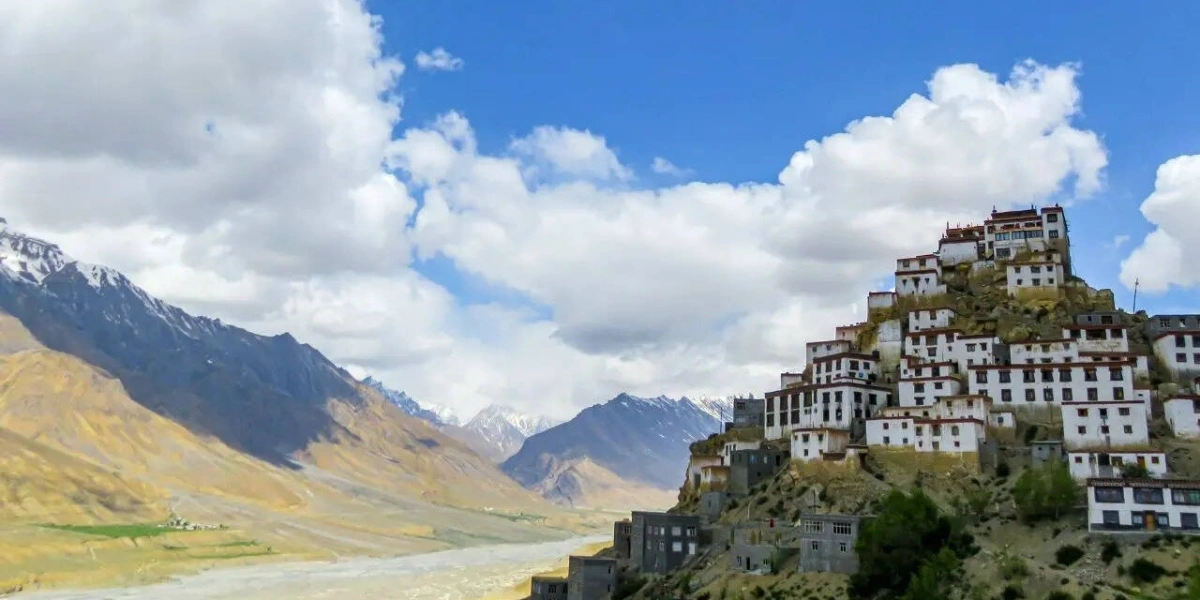
The ideal time to visit Spiti is between May and October. During these months, roads are mostly open, weather is moderate and villages are lively. Winters bring heavy snowfall, making travel challenging and many routes remain blocked. First-time visitors should avoid winter unless they are prepared for extreme conditions.
Summer months bring bright blue skies, ideal for photography, trekking and sightseeing. The valley’s deserts, rivers and lakes are at their most vivid during this period. Spring is especially beautiful as wildflowers bloom across the meadows, creating colourful contrasts against the stark mountains. For adventure enthusiasts, trekking and camping are also safer during this period.
Even in summer, the weather in Spiti can change rapidly. Sudden rainfall or snowfall at high altitudes is not uncommon. It’s recommended to pack layers of clothing thermals, jackets and rain gear so you’re prepared for both warm afternoons and chilly nights. Checking local weather forecasts daily can also help you plan safe and comfortable excursions.
Did you know? Spiti Valley is best explored between May and October. Read our Best Time to Visit Spiti Valley guide to learn about seasonal activities, weather, and travel tips.
Places You Must Visit
Kaza, the valley’s main town, is the perfect base for first-time visitors. It offers essential amenities, local markets and cultural experiences. A stroll through Kaza’s streets allows travellers to interact with locals, shop for handmade souvenirs and sample regional snacks. From here, day trips to surrounding villages like Kibber, Langza and Dhankar open up breathtaking landscapes and traditional lifestyles.
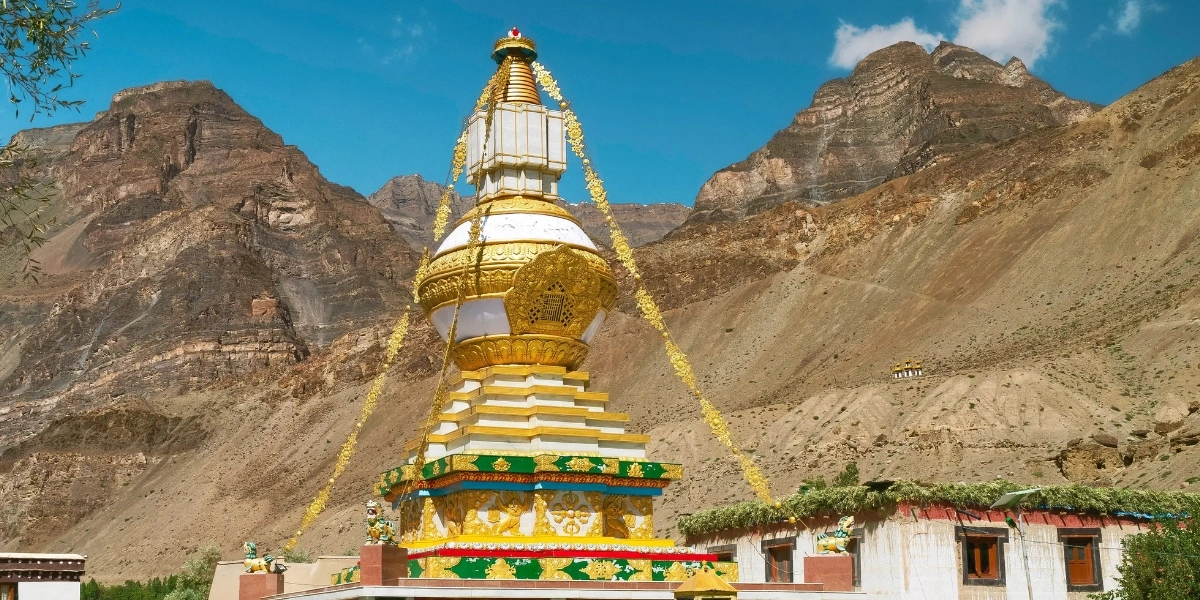
Tabo Monastery, known as the “Ajanta of the Himalayas,” is one of Spiti’s most iconic spiritual sites. Visitors can explore its ancient murals, scriptures and prayer halls. The serene ambiance allows you to absorb centuries of Himalayan history while witnessing traditional rituals. Dhankar Monastery, perched high on a cliff, offers both spiritual insights and panoramic views of the valley below. The trek to reach it is rewarding and showcases Spiti’s raw beauty.
For nature lovers, Chandratal Lake is a must-visit destination. Its crystal-clear waters, framed by towering peaks, create a magical setting for camping and photography. Kunzum Pass, nearby, provides thrilling mountain vistas and is a popular stop for travellers journeying deeper into the valley. Each of these spots captures Spiti’s essence a mixture of natural grandeur and cultural richness.
Food and Stay Options
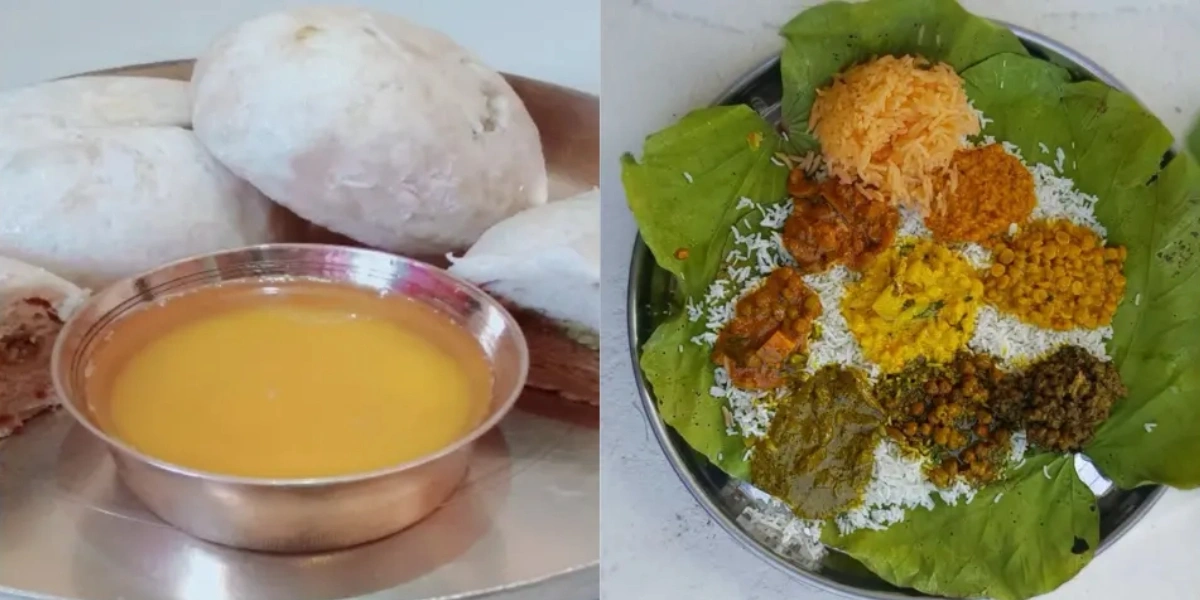
Spiti’s cuisine is simple, nutritious and designed to energise travellers for high-altitude adventures. Traditional dishes such as thukpa (noodle soup), momos (dumplings) and butter tea provide warmth and sustenance. Homestays often serve authentic meals made from local produce, allowing visitors to taste regional flavours while learning about daily life in the mountains.
Accommodation options range from modest guesthouses in Kaza to homestays in villages. Homestays are highly recommended for first-time travellers as they offer a personal experience and insights into local customs. Booking in advance during peak season ensures you have a safe and comfortable stay. Some homestays also provide guided treks and cultural tours, enhancing the overall experience of the valley.
Local Culture and Festivals
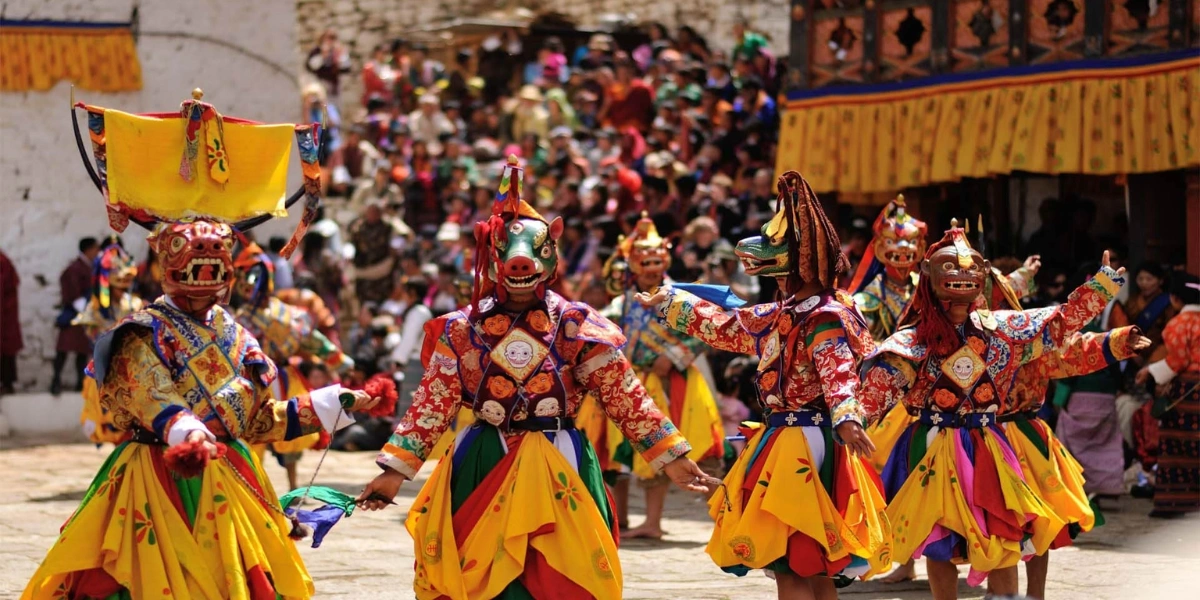
Spiti’s culture is deeply rooted in Tibetan Buddhism. Monasteries are not only places of worship but also centres of learning, art and festivals. Festivals like Losar (Tibetan New Year) and Dosmoche feature traditional dances, rituals and vibrant attire. Even casual visitors can witness these celebrations, gaining a rare insight into the spiritual life of the valley.
Interacting with locals is a highlight for many first-time visitors. Residents are welcoming and often eager to share stories of their ancestors, farming practices and life in one of the world’s highest inhabited regions. Listening to these stories adds depth to your visit, transforming it from sightseeing into an immersive cultural experience.
Adventure and Trekking Opportunities
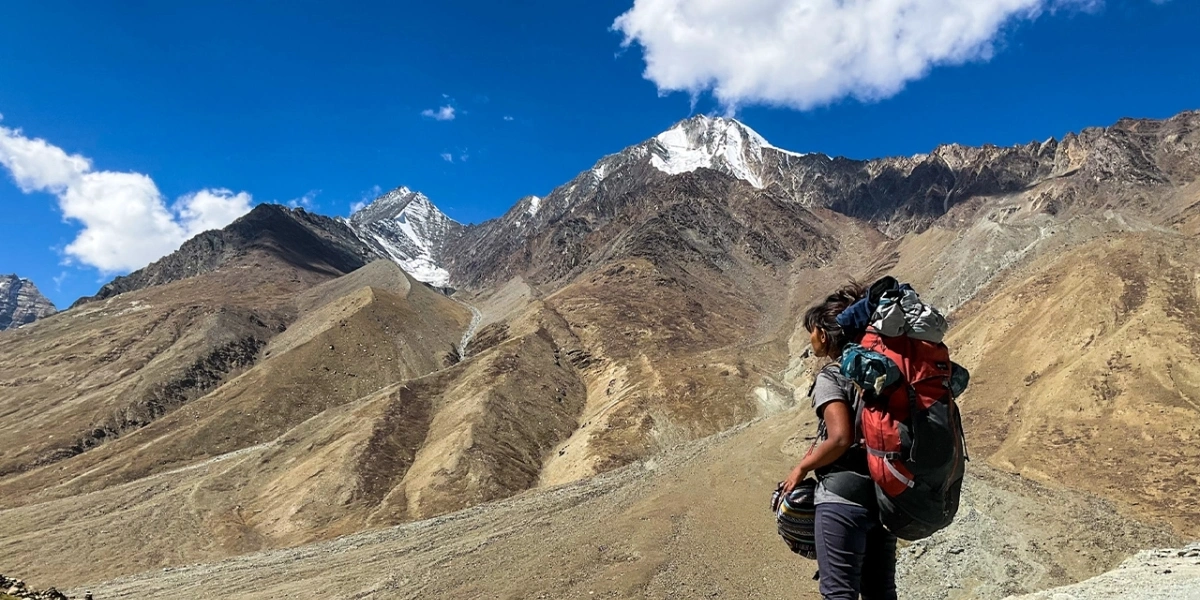
Spiti is a paradise for adventure lovers. Short treks around villages like Kibber or Langza are perfect for first-timers, providing exposure to high-altitude landscapes without extreme difficulty. For experienced trekkers, longer trails offer opportunities to explore glaciers, frozen lakes and remote hamlets, rewarding effort with breathtaking scenery.
Mountain biking, camping and wildlife spotting are also popular activities. Spiti is home to snow leopards, Himalayan ibex and rare birds, offering unique encounters for patient travellers. Even walking through the valley’s villages and fields reveals hidden gems, such as centuries-old stone walls, terraced farms and traditional homes making every step a small adventure.
Photography and Scenic Spots
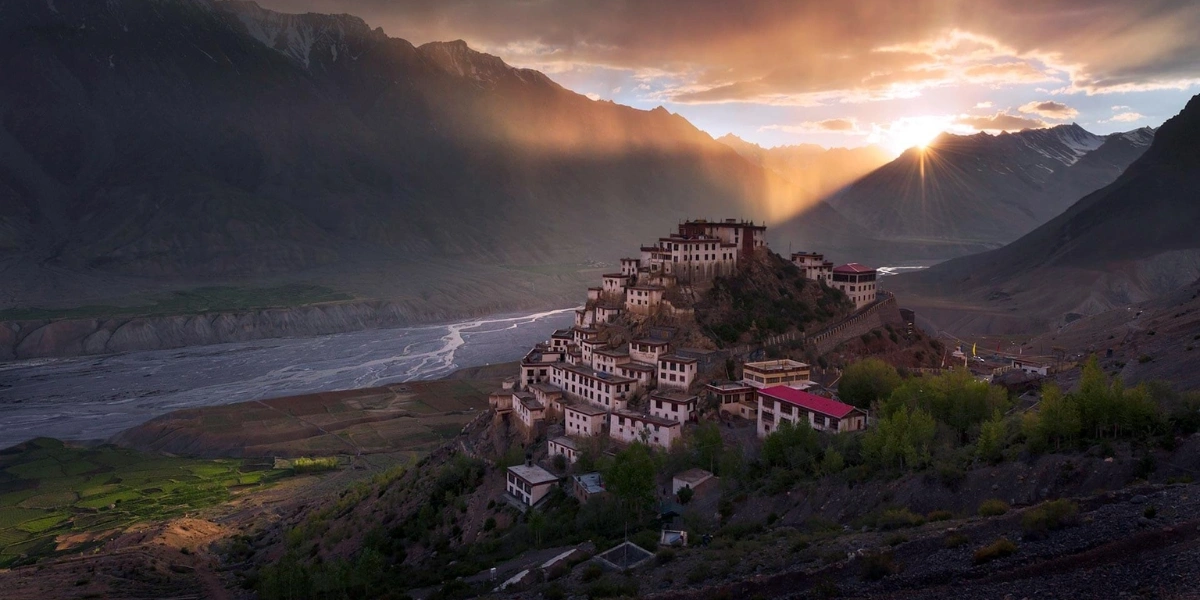
Spiti Valley is a photographer’s dream. The barren landscapes, turquoise lakes and monasteries perched on cliffs create endless opportunities for stunning photos. Sunrise and sunset offer dramatic lighting over snow-capped peaks, while the clear night skies reveal countless stars far from city lights.
Popular photography spots include Chandratal Lake, Dhankar Monastery, Langza Village (famous for its fossils) and Kibber’s vast landscapes. Even small, unplanned stops along the road can offer perfect frames for nature photography. First-time visitors should carry extra memory cards, spare batteries and a good camera or smartphone, as every turn in Spiti tells a story worth capturing.
Leaving Spiti: Memories to Take Home
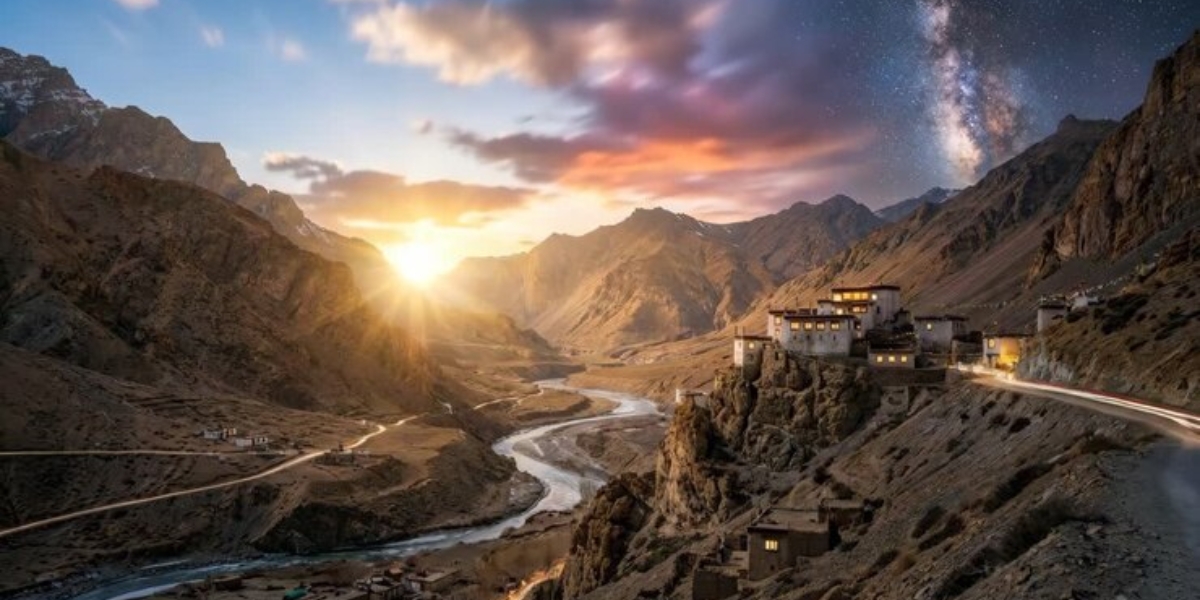
Spiti Valley leaves a lasting impression. The clear starry nights, quiet mornings in villages and smiles of local residents stay in your heart long after you leave. For first-time visitors, embracing the journey with patience, curiosity and respect allows you to truly experience the magic of this Himalayan desert.
Every pass, village and monastery tells a story of survival, tradition and natural beauty. When you return home, it is the memories not just the photos that make a Spiti trip unforgettable. The landscapes, culture and adventure combine to create an experience that will remain with you forever.
Practical Travel Tips
Altitude sickness is a real concern in Spiti, especially for first-time visitors. Acclimatise gradually, stay hydrated and avoid heavy meals during the first two days. Short walks around Kaza or nearby villages can help your body adjust. Carry basic medicines for headaches, nausea and cold, as medical facilities in remote villages are limited.
Cash is essential because ATMs are scarce and mobile networks can be unreliable. Always inform someone about your travel plans, especially if venturing to remote locations. Respect local customs and traditions, dress modestly and remove shoes at monasteries. Being a responsible traveller ensures your safety and preserves the cultural integrity of this unique Himalayan region.
Explore Categories
Loading categories...