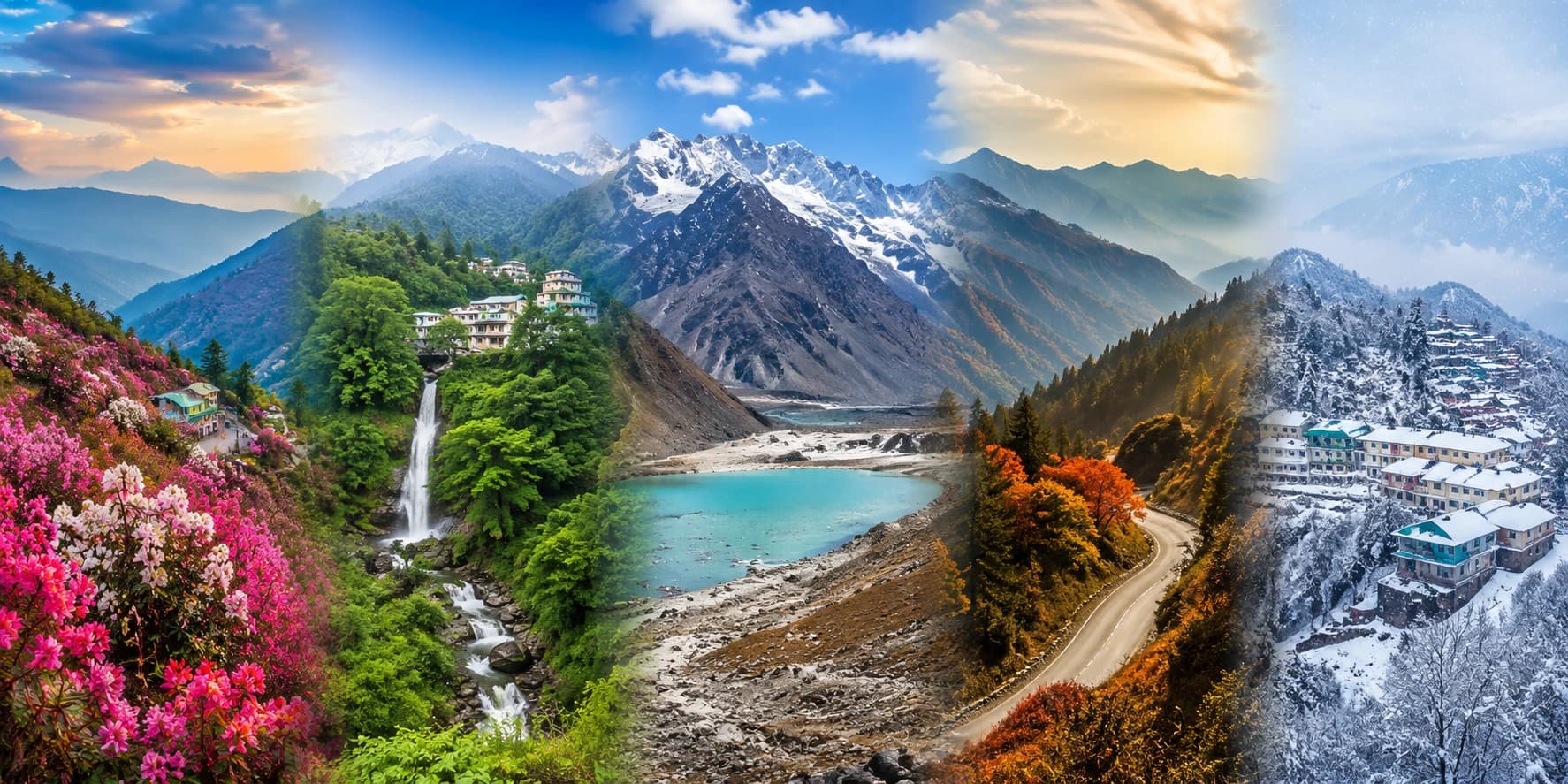
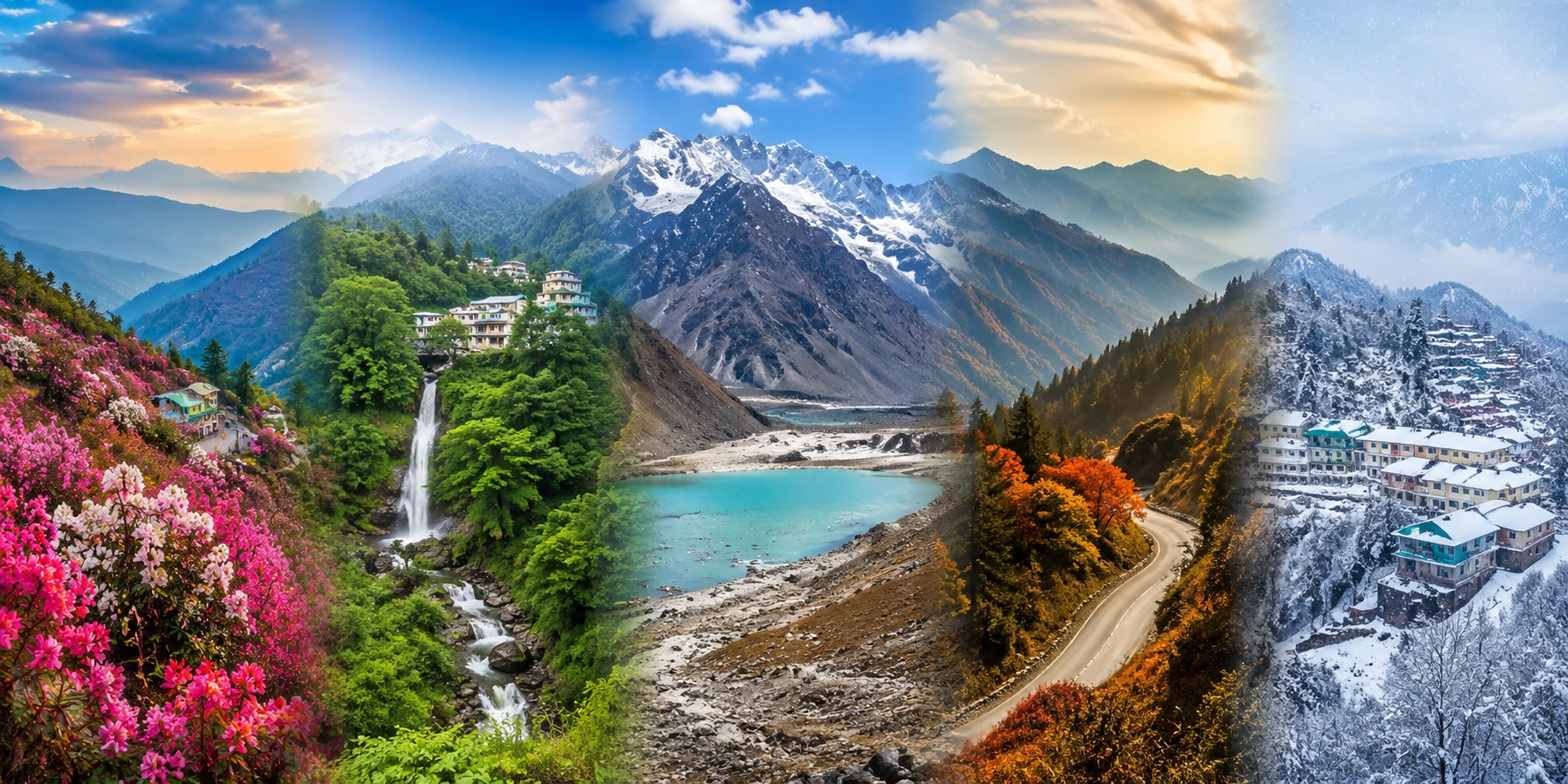
Planning a trip to Sikkim? Explore this complete Sikkim weather guide covering every season including April, May, June, and December. Learn about snowfall in North Sikkim, Gangtok weather, Zero Point temperature, best time to visit, seasonal travel tips, and what to pack for a comfortable and memorable Himalayan journey.
Sikkim is one of those places where the weather doesn't just set the mood - it decides your entire itinerary. One morning, you're standing in Gangtok in a light jacket watching the sunrise over Kanchenjunga. A few hours later, you're at Zero Point where the wind is biting and the temperature has dropped below freezing. That's just how this beautiful Himalayan state works.
If you're planning a trip to Sikkim in 2026 and want to know exactly what weather to expect - month by month - this guide has everything you need. We've also included the latest 2026 travel updates, new permit rules, and real-ground conditions so you don't face any unpleasant surprises on arrival.
Sikkim's Climate at a Glance
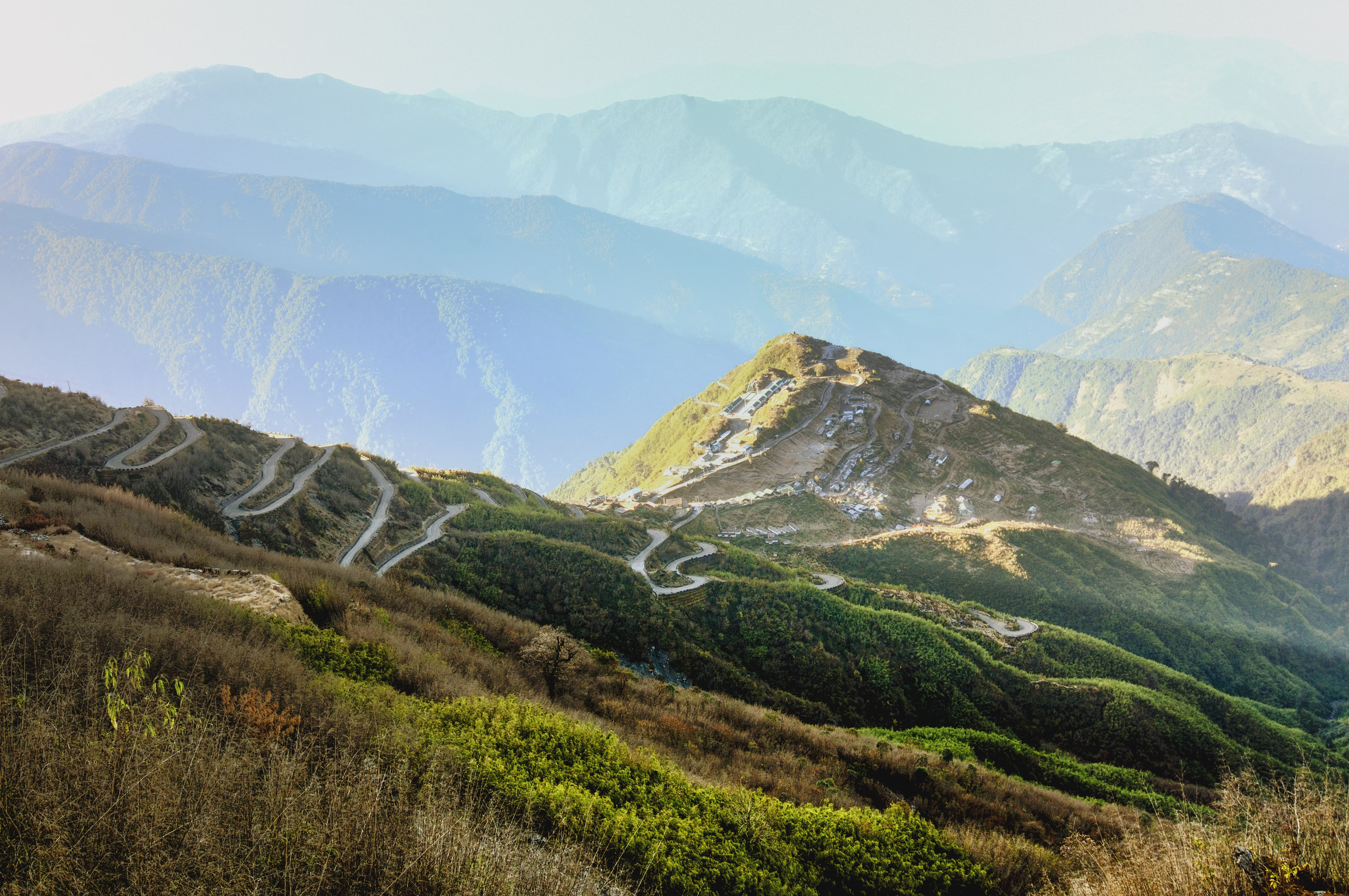
Sikkim doesn't follow one single weather pattern. It stretches from river valleys at 300 metres all the way up to mountain passes above 5,000 metres. That altitude difference means you can experience summer and winter on the same day, just in different parts of the state.
The state broadly sees four seasons:
Spring (March–May): Pleasant, blooming, and great for sightseeing
Monsoon (June–September): Heavy rains, lush green landscapes, but tricky roads
Autumn (October–November): Crystal clear skies and the best trekking weather
Winter (December–February): Cold in lower areas, heavily snowbound in the north
Knowing which season suits your plans makes your entire trip smoother.
2026 Travel Update: What's New in Sikkim This Year
Before diving into the weather details, here are the most important 2026 updates every traveller must know.
Digital Permits Are Now Mandatory
As of January 12, 2026, Sikkim has gone 100% digital for permits. Physical Protected Area Permits (PAP) and Restricted Area Permits (RAP) are no longer issued by district offices or tour operators. All permits are now processed digitally and delivered as QR-coded approvals on your phone. Checkpoints scan the QR code directly - no paper needed.
For Indian travellers: Permits for North Sikkim, Tsomgo Lake, Nathula, and Zero Point must be arranged through a registered tour operator, ideally 1–3 weeks before travel. Same-day or walk-in permits are no longer available.
For foreign nationals: You must apply through the official e-FRRO portal (frro.gov.in) before your trip. Physical paper permits will not be accepted at any checkpoint from January 2026 onward.
This is a big change. If you're planning a spontaneous trip to North Sikkim after reaching Gangtok, that approach simply won't work anymore. Plan ahead.
Monsoon 2026 Alert - Roads Hit Hard
In late June 2026, heavy rainfall triggered significant road closures and landslides across Sikkim. Thousands of tourists were temporarily stranded in Gangtok and parts of North Sikkim. Authorities have issued advisories urging travellers to check daily road conditions before heading to higher altitudes, especially during the monsoon months.
Always confirm with your tour operator or local driver on the day of travel. Conditions can change within a few hours.
Sikkim Weather Today - Where to Check
For the most reliable Sikkim weather today, use the India Meteorological Department (IMD) website at mausam.imd.gov.in. The IMD regularly issues special weather bulletins for Sikkim, especially during monsoon months and Western Disturbance events. Apps like AccuWeather and Windy also work well for hourly forecasts.
For North Sikkim weather today, always check with your local driver or tour operator. Digital forecasts often lag behind actual mountain conditions by a few hours. Ground-level updates are more reliable for high-altitude routes.
Month-by-Month Sikkim Weather Guide (2026)
Sikkim Weather in April
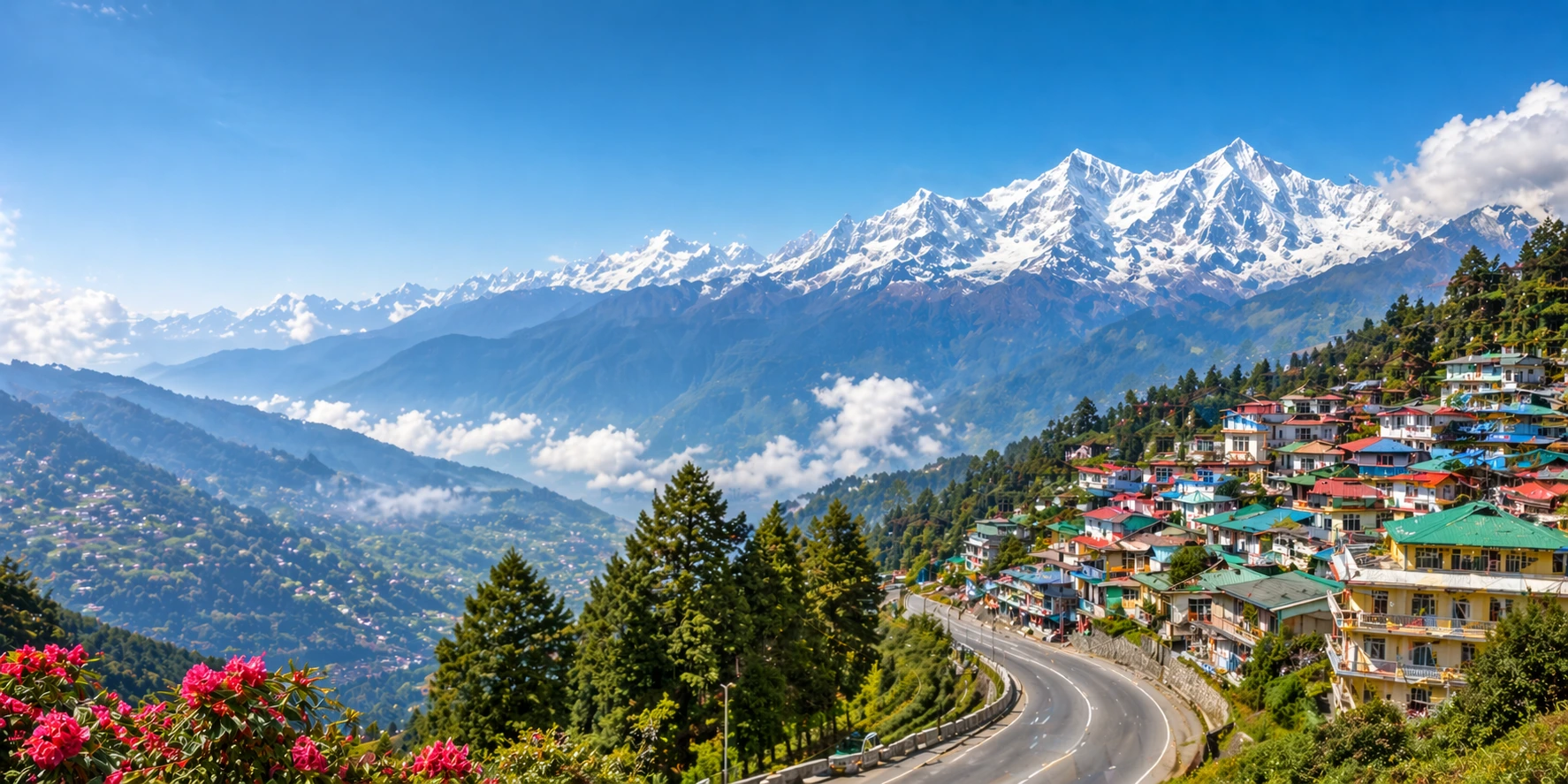
April is one of the best months to visit Sikkim, and 2026 is no exception. Temperatures in Gangtok stay between 10°C and 22°C - comfortably warm during the day and cool at night. The hillsides explode with rhododendrons in shades of red, pink, and white. It's genuinely stunning.
North Sikkim in April starts opening up after winter. Yumthang Valley and Zero Point become accessible again, though some passes may still carry leftover snow. At Zero Point, even in April, temperatures hover between 0°C and 10°C, so warm layers are non-negotiable.
Because the new permit system requires advance booking, start your North Sikkim permit process at least two weeks before your travel date in April.
What to wear: Light jacket for daytime, warm fleece for evenings, thermals if heading north.
Sikkim Weather in May
May weather in Sikkim is warm, clear, and active. Gangtok sees temperatures between 13°C and 24°C. It's peak tourist season, which means popular spots get crowded and accommodation books up fast.
This May in 2026, Yumthang Valley and Zero Point still offer snow views, with temperatures at altitude ranging between 5°C and 15°C during the day. Pre-monsoon showers start creeping in by late May, usually in the afternoons. These can be short but heavy.
If you're visiting Zero Point specifically, go in the morning. By afternoon, the weather can shift quickly - clear skies turn foggy and wet within an hour at that altitude.
Pro tip: May is the last comfortable window before monsoon. Book well in advance.
June Weather in Sikkim
June marks the arrival of the monsoon in Sikkim. Gangtok temperatures stay between 15°C and 21°C - pleasant enough - but rainfall becomes frequent and sometimes intense. The landscape turns an extraordinary shade of green, and waterfalls appear seemingly out of nowhere on every hillside.
In 2026, the monsoon arrived with particular force in late June, causing road closures and landslides in North Sikkim. Travellers heading to Lachen, Lachung, and Yumthang Valley faced disruptions and were advised to monitor daily advisories.
That said, June can be a wonderful month if you stay flexible. Gangtok's MG Marg, local monasteries, and cultural attractions like the Namgyal Institute of Tibetology are fully accessible. Lachung also remains reachable in June with temperatures between 14°C and 23°C.
June 2026 also coincides with Saga Dawa, one of Sikkim's most sacred Buddhist festivals. If you're visiting this month, experiencing this celebration is something genuinely special.
Important: Carry a quality raincoat, waterproof shoes, and cover your camera gear. Don't plan North Sikkim routes without checking road status on the day of travel.
Sikkim Weather in July and August
These are the heaviest monsoon months. Rainfall peaks. Visibility drops significantly in higher areas. North Sikkim routes to Gurudongmar Lake and Zero Point are frequently closed due to landslides and flooding.
Gangtok itself remains functional. Local markets, monasteries, cafés, and lower-altitude attractions stay open. If you don't mind rain and love lush, dramatic Himalayan landscapes with roaring waterfalls, July and August have their own raw beauty.
Budget travellers benefit most this time of year - hotel rates drop considerably and fewer crowds mean more personal space.
September to November - The Best-Kept Secret
Late September is when Sikkim begins to breathe again. The rains ease, the sky clears, and the mountains reappear. By October, you're in arguably the best weather window Sikkim has to offer.
October brings temperatures of 8°C to 20°C in Gangtok - crisp, clear, and absolutely perfect. North Sikkim routes reopen. Trekking trails dry out. Views of Kanchenjunga are at their sharpest. Tsomgo Lake, Gurudongmar, and Zero Point are all accessible with the right permits in place.
November is quieter than October but equally beautiful. Temperatures drop a little more, and by late November, North Sikkim starts cooling toward winter conditions again.
Best for: Trekkers, photographers, first-time visitors who want clear mountain views.
North Sikkim Weather - What Makes It Different
North Sikkim operates on a completely different weather scale compared to the rest of the state. Even when Gangtok is sunny and mild, Lachen, Lachung, Yumthang, and Zero Point can be freezing, foggy, and snowbound.
Here's a quick overview:
April-May: Roads open, cold at altitude (0°C–10°C at Zero Point), snow still visible
June-September: Monsoon disruptions; road closures possible without warning
October-November: Best weather, clear skies, most accessible
December-February: Heavily snowbound; most high routes closed
In 2026, authorities also introduced daily vehicle limits on the route from Lachung to Zero Point to manage traffic and reduce environmental impact. This makes pre-booking with a registered operator more important than ever.
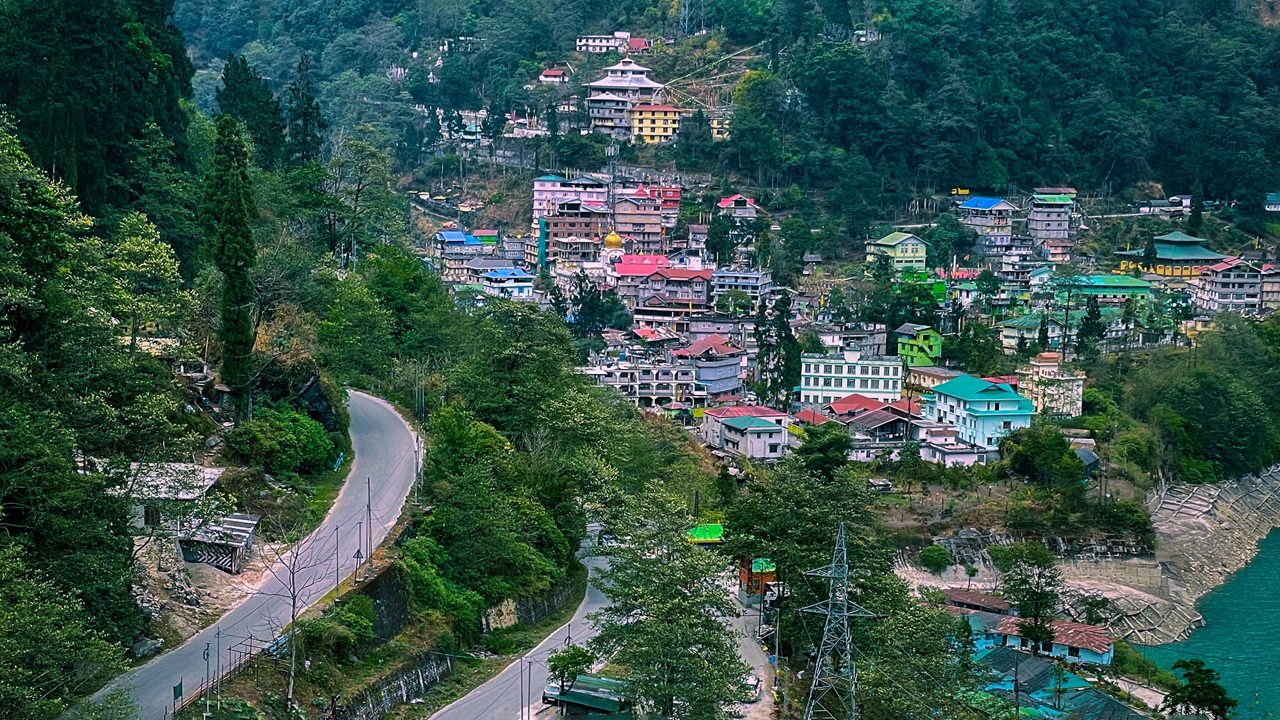
East Sikkim Weather and Gangtok
East Sikkim, which includes Gangtok, Tsomgo Lake, and Nathula Pass, tends to be more stable than the north. Here's a temperature snapshot for Gangtok across the year:
Month | Min Temp | Max Temp | Conditions |
|---|---|---|---|
January | 4°C | 14°C | Cold, occasional fog |
February | 6°C | 15°C | Cold, dry |
March | 8°C | 18°C | Pleasant, spring starts |
April | 10°C | 22°C | Ideal, rhododendrons bloom |
May | 13°C | 24°C | Warm, pre-monsoon showers late May |
June | 15°C | 21°C | Monsoon begins, lush & misty |
July | 16°C | 21°C | Heavy rain, road disruptions |
August | 16°C | 22°C | Heavy rain, stay lower |
September | 14°C | 22°C | Clearing up, greens vivid |
October | 10°C | 20°C | Crystal clear, best views |
November | 7°C | 17°C | Cool, dry, peaceful |
December | 4°C | 13°C | Cold, snowfall possible in north |
Zero Point Sikkim Weather - 2026 Update
Zero Point (locally called Yumesamdong) sits at around 15,300 feet - it's the last civilian-accessible point near the India-China border. The weather here is extreme and unpredictable by nature.
April-May 2026: Snow still present, temperatures 0°C to 8°C; accessible with permits
June-September: Weather-based access closures are common; roads shut down with little warning during heavy snowfall or landslides
October-November: Best access window; clear, cold, dramatic views
December-March: Fully snow-covered; routes typically closed
Key 2026 changes at Zero Point:
No overnight stays allowed - day visits only from Lachung
Permits are now QR-coded and digitally processed; no paper permits
Foreign nationals must apply through the e-FRRO portal before arrival in India
Daily vehicle quotas are in place to reduce congestion
Solo travel is not permitted; you must travel with a registered operator
Sikkim Weather in December - For Winter Travellers
December in Gangtok means cold but manageable weather. Temperatures dip to around 4°C at night and rarely exceed 13°C during the day. The city gets quieter, the cafés get cosier, and the Christmas-New Year festive atmosphere adds a warm charm.
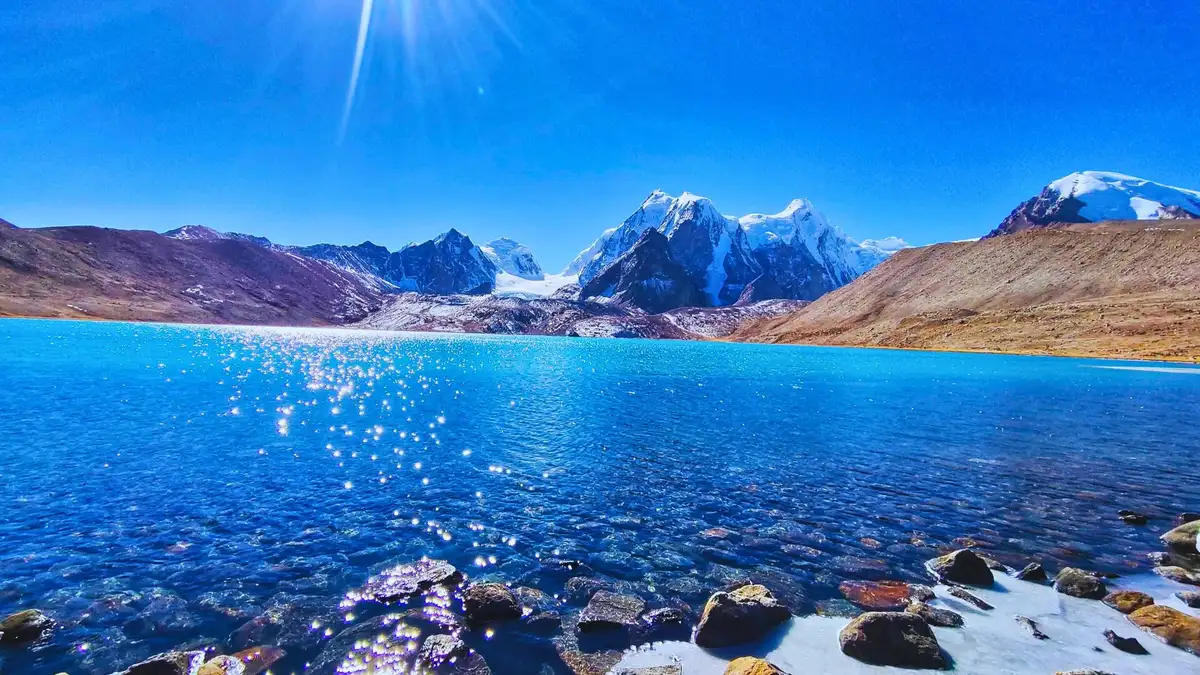
North Sikkim in December is a different world. Snowfall is heavy and regular. Most routes to Yumthang, Zero Point, and Gurudongmar Lake are closed. But if you're based in Lachung or Lachen villages during a snowfall, the experience is genuinely magical - prayer flags draped in snow, complete silence, and views that feel like a painting.
Pack for December: Heavy-duty winter jacket, thermals, woollen socks, gloves, lip balm, and moisturiser. The air at altitude is dry enough to crack skin within a day.
Best Time to Visit Sikkim in 2026 - Quick Verdict
Purpose | Best Time |
|---|---|
Overall sightseeing | April-May, October-November |
Snow and winter experience | December-January (lower areas) |
Zero Point and North Sikkim | April-May or October-November |
Budget travel, off-season | June-September (with caution) |
Trekking and clear mountain views | October |
Rhododendron bloom season | April |
Festivals and culture | June (Saga Dawa), October–November |
What to Pack for Sikkim - Weather-Based Checklist
Regardless of the month, these basics serve you well in Sikkim:
Layers are everything. A T-shirt, a mid-layer fleece, and a waterproof outer jacket is the standard formula.
Rain gear (June–September). A good poncho or rain jacket is non-negotiable.
Thermals (October–March). Essential for North Sikkim, useful in Gangtok evenings.
Sunscreen. UV radiation at altitude is intense — even on overcast days.
Waterproof trekking shoes. Useful in both rain and snow conditions.
Portable charger. Power cuts can happen in remote areas, especially during monsoon.
Final Thoughts on Sikkim Weather
The beauty of Sikkim changes completely with every season. Spring brings colorful valleys, summer offers cool weather, monsoon creates lush green landscapes, autumn gives crystal-clear mountain views, and winter covers the region in snow.
Understanding the Sikkim weather before planning your journey can help you choose the right season based on your travel style and comfort level.
If you want pleasant sightseeing weather, April to June is ideal. For snowfall lovers, winter becomes the perfect choice. Meanwhile, October and November are excellent for mountain photography and scenic views.
No matter which season you choose, Sikkim always offers a peaceful and unforgettable travel experience.
FAQ's
Related Pages
Dec 24, 2025 | 1 Min Read
Dec 24, 2025 | 1 Min Read
Dec 24, 2025 | 1 Min Read
Dec 24, 2025 | 1 Min Read
Dec 24, 2025 | 1 Min Read
Dec 24, 2025 | 1 Min Read
Dec 24, 2025 | 1 Min Read
Dec 24, 2025 | 1 Min Read
Last Updated: May 25, 2026