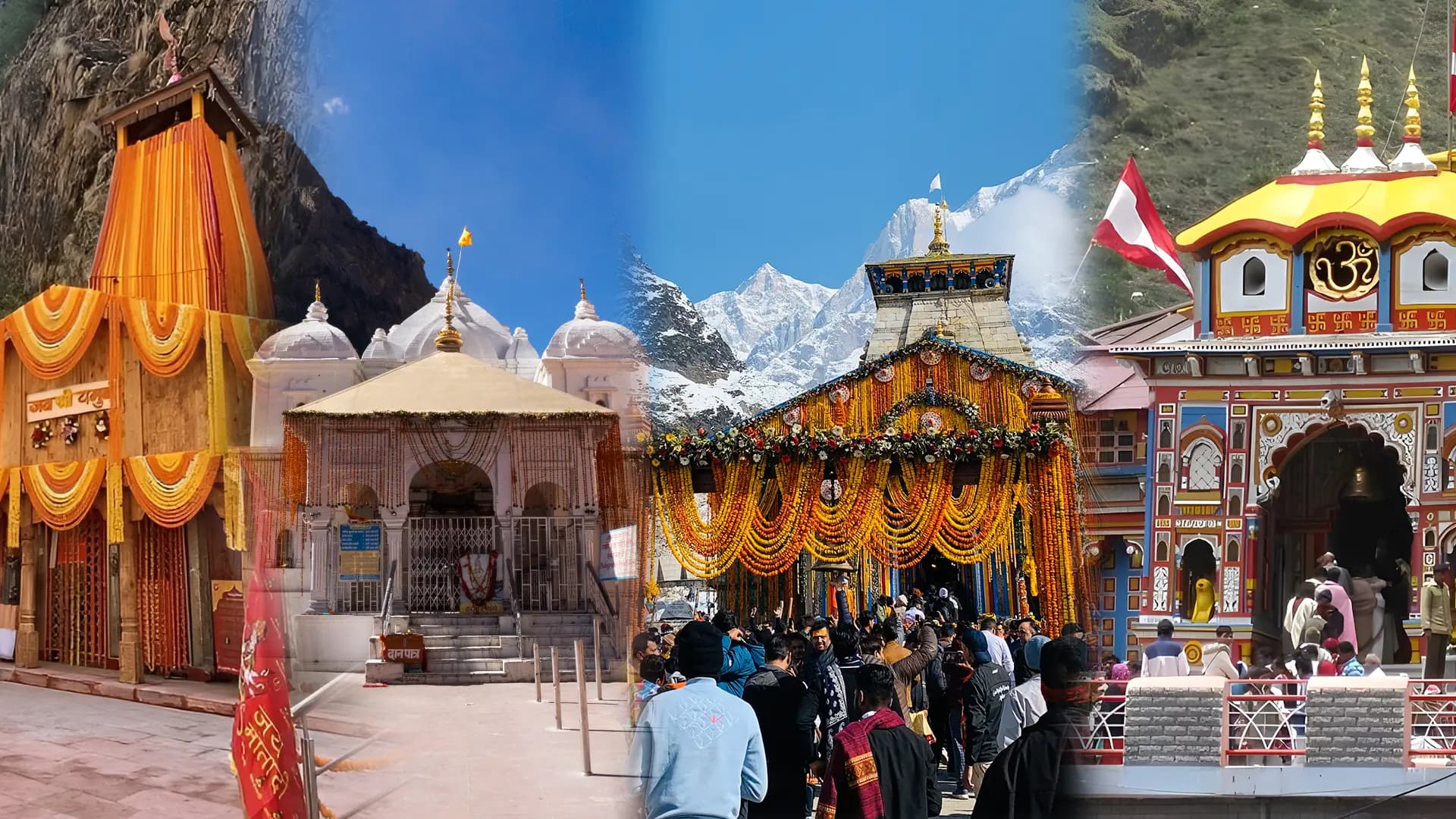
A soulful journey through the Char Dham Yatra of Uttarakhand, exploring its spiritual meaning, travel routes, seasonal advice and essential planning insights for modern pilgrims.
On this page
Every year, when the snow starts melting in the mountains of Uttarakhand, thousands of devotees begin the Char Dham Yatra. It is one of the most respected pilgrimages in India. This journey is not just about visiting temples in the mountains. It is about faith, patience and finding peace within yourself.
For many people, reaching these holy shrines is more than a tradition. It is a spiritual experience that helps them feel calm and refreshed. Surrounded by the quiet beauty of the Himalayas, pilgrims often feel a deep sense of clarity and inner strength.
In Hindu belief, the Char Dham Yatra is considered very sacred. It is said that visiting the four temples helps wash away past sins and brings spiritual growth. As pilgrims travel through valleys, rivers, and forests, they experience both devotion and adventure. The journey can be physically challenging, but it also builds mental strength and leaves a lasting impact on the heart.
Apart from its spiritual value, the Yatra also introduces travellers to the culture of Uttarakhand. Small mountain villages, local food, traditional festivals, and old customs are all part of the experience. Meeting local people and seeing their simple way of life adds warmth and meaning to the journey.
The Four Sacred Shrines – Detailed Guide
Yamunotri
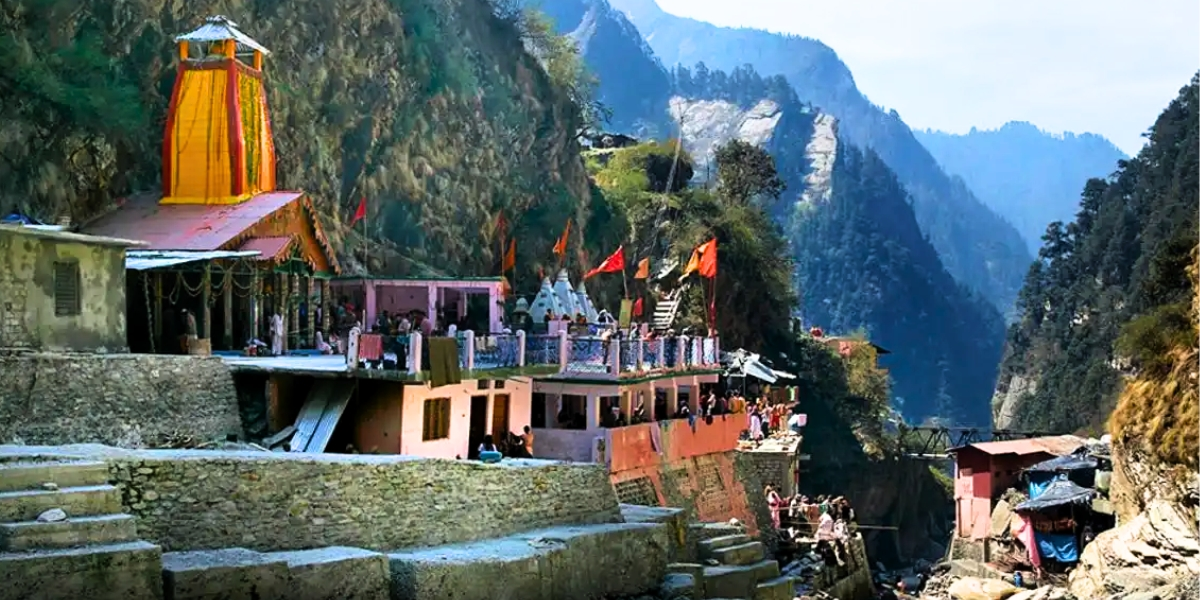
Yamunotri is the starting point of the Char Dham Yatra and holds deep spiritual importance. It is dedicated to Goddess Yamuna and is believed to be the origin of the holy River Yamuna. The temple is located at an altitude of about 3,293 metres and is surrounded by beautiful mountains and peaceful natural scenery.
Pilgrims begin their trek from Janki Chatti, which is around 5–6 kilometres away from the temple. The walk can be done on foot or with the help of ponies and palkis for those who need assistance. Along the way, travellers pass Surya Kund, a hot water spring where devotees cook rice or potatoes in cloth as an offering to the goddess. The warm steam rising from the spring against the cold mountain air creates a unique experience.
Inside the temple, devotees offer prayers and seek blessings for good health and protection from untimely death, as Goddess Yamuna is believed to protect her devotees from suffering. The peaceful environment and the sound of flowing water make Yamunotri a calm and refreshing beginning to the pilgrimage.
Gangotri
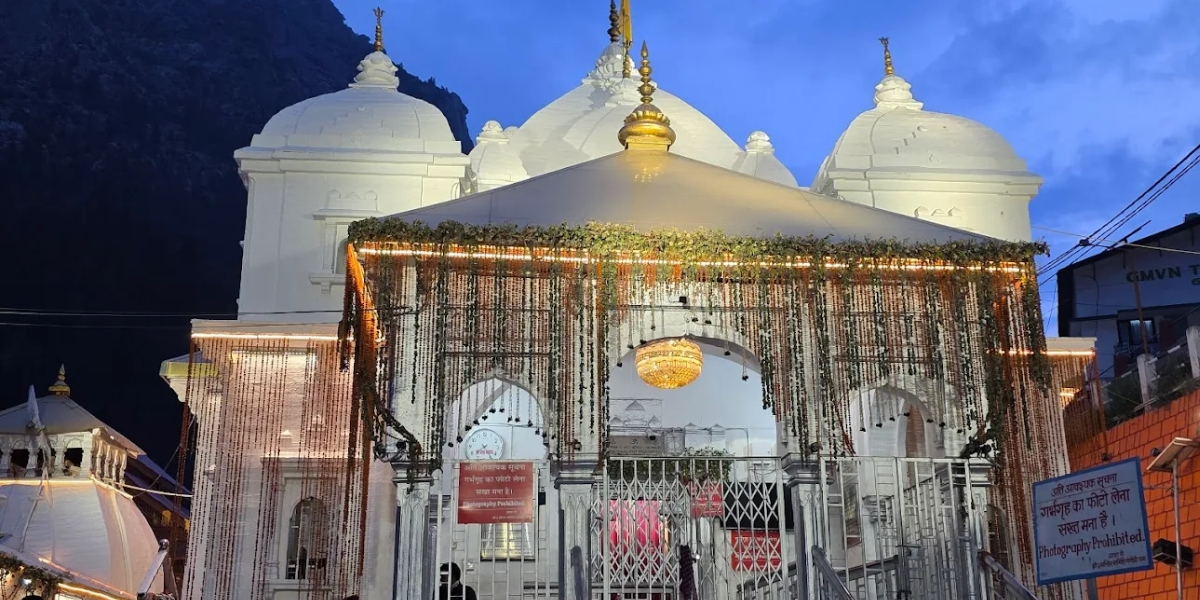
Gangotri is the second shrine of the Yatra and is dedicated to Goddess Ganga. Located at an altitude of around 3,100 metres, the temple stands on the banks of the Bhagirathi River. According to Hindu belief, this is the place where the River Ganga descended from heaven to Earth.
The temple, made of white stone, looks simple yet divine. Snow-covered peaks in the background add to its beauty. Pilgrims gather on the riverbank to perform rituals and offer prayers. The evening aarti (prayer ceremony) at Gangotri is a special moment. The sight of oil lamps glowing near the flowing river creates a peaceful and emotional atmosphere.
Many devotees also visit Gaumukh, which is around 18 kilometres from Gangotri and is considered the real source of the River Ganga. Though the trek to Gaumukh requires permission and physical fitness, it attracts those who want a deeper spiritual and adventurous experience. Gangotri leaves visitors feeling pure and spiritually uplifted.
Kedarnath
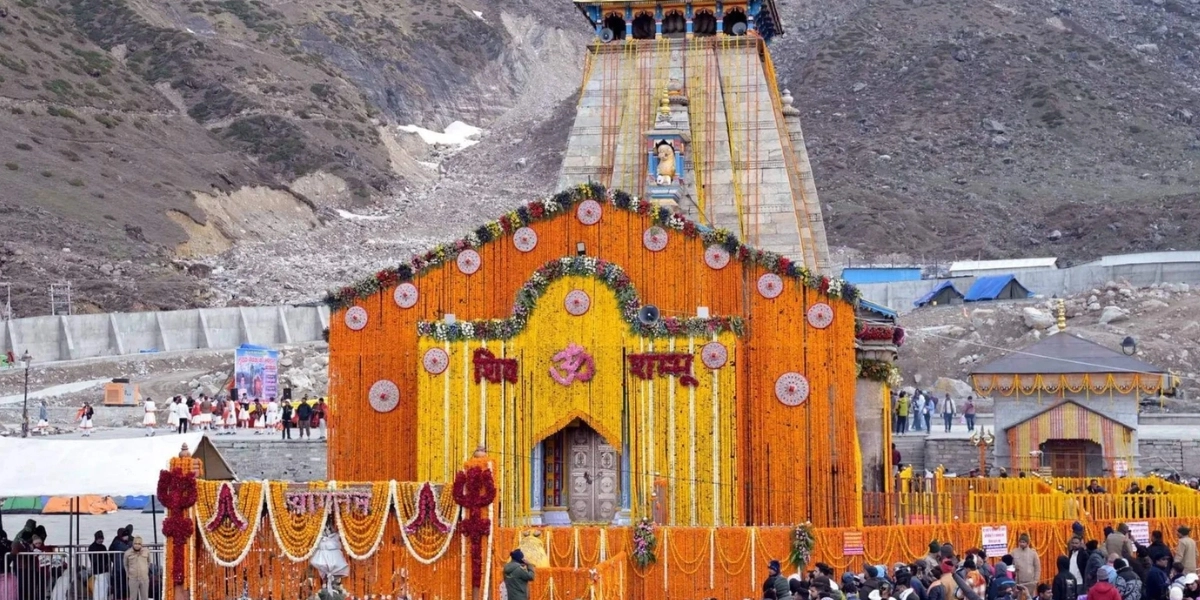
Kedarnath is one of the most important temples dedicated to Lord Shiva. Situated at a height of over 3,500 metres, it is also one of the twelve Jyotirlingas of Lord Shiva. The temple is believed to have been built by the Pandavas and later rebuilt by Adi Shankaracharya.
The journey to Kedarnath begins from Gaurikund and involves a trek of around 16–18 kilometres. The path can be challenging due to steep climbs and changing weather conditions. However, the breathtaking mountain views and the feeling of devotion give pilgrims strength to continue.
The temple is built with large stone slabs and has stood strong for centuries, even surviving natural disasters. Standing in front of Kedarnath Temple, surrounded by snow-covered peaks and open skies, gives a powerful spiritual feeling. Many devotees say they feel a deep connection with Lord Shiva here.
For those unable to trek, helicopter services are available from nearby locations like Phata and Guptkashi. Despite modern facilities, the spiritual energy of Kedarnath remains untouched and pure.
Badrinath
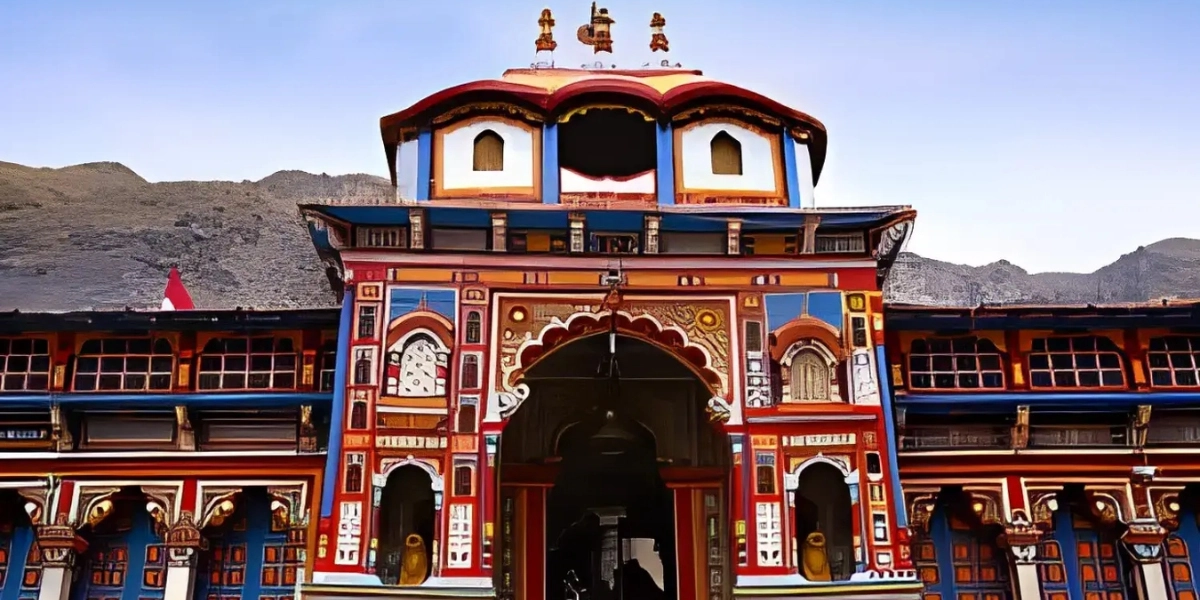
Badrinath is the final shrine of the Char Dham Yatra and is dedicated to Lord Vishnu. Located at about 3,133 metres above sea level, it sits along the Alaknanda River. The temple is colourful and beautifully designed, standing out against the mountain background.
According to belief, Lord Vishnu meditated here, and Goddess Lakshmi protected him in the form of a Badri tree. This is how the place got its name, Badrinath. The temple is easily accessible by road, making it more convenient for pilgrims compared to other shrines.
Before entering the temple, devotees take a dip in the Tapt Kund, a natural hot water spring believed to have healing properties. Inside the temple, the black stone idol of Lord Vishnu in a meditative posture attracts thousands of devotees every day.
Nearby attractions such as Mana Village (the last Indian village near the border), Vyas Gufa and Bhim Pul also add interest to the visit. The peaceful surroundings, combined with spiritual energy, make Badrinath a perfect and satisfying conclusion to the Char Dham Yatra.
Best Time and Travel Planning
The Char Dham temples generally open between late April and early May and remain accessible until October or early November, depending on weather patterns and temple announcements. The summer months of May and June witness heavy pilgrim movement due to school vacations and favourable temperatures. However, the monsoon season, usually from July to August, can bring intense rainfall, landslides and temporary road closures. For those seeking a calmer and more comfortable experience, September and October are often considered ideal, as the weather is clearer and the crowds are comparatively smaller.
Most pilgrims begin their journey from Haridwar or Rishikesh, both of which are well connected to major Indian cities by road, rail, and air. From there, the route continues through Barkot, Uttarkashi, Guptkashi and Joshimath before reaching the respective shrines. Because the journey involves long mountain drives and varying altitudes, proper planning is essential. Referring to a detailed Char Dham route map helps travellers understand distances, road conditions, elevation changes, and stopover points. Booking accommodation in advance and planning rest breaks can make the journey more comfortable and well-organised.
Although road infrastructure has improved significantly in recent years, mountain travel still demands alertness. Narrow roads, sharp turns, and sudden weather changes require careful driving. It is advisable to hire experienced local drivers who are familiar with hill routes. Pilgrims should also monitor weather updates regularly. Carrying warm clothing, essential medicines, identity proof and emergency contact details ensures better preparedness and a safer pilgrimage experience.
Registration and Safety

Registration for the Char Dham Yatra is mandatory. The government has introduced online registration and biometric systems to manage crowds and ensure safety. Pilgrims should complete the registration process before starting their journey and carry valid ID proof. For step-by-step instructions, travellers can refer to the Char Dham registration guide to ensure a smooth process.
High-altitude places like Kedarnath and Gangotri require proper care. Travellers should stay hydrated, walk slowly, and rest when needed. Consulting a doctor before the trip is a good idea, especially for elderly pilgrims. Helicopter services are available for Kedarnath for those who cannot trek.
Spiritual preparation is just as important as physical readiness. Watching the sunrise over the temples, listening to prayers and participating in rituals bring deep emotional peace. These moments create memories that stay forever.
Responsible Travel
As more people visit every year, protecting the Himalayan environment is very important. Pilgrims should avoid using plastic, keep the surroundings clean and respect local traditions. Responsible travel helps protect nature and keeps the pilgrimage meaningful.
Supporting local businesses by hiring guides, buying local handicrafts, and staying in local hotels helps the mountain communities. Respectful behaviour towards local people and their customs makes the journey richer and more enjoyable.
The Char Dham Yatra is not just a religious trip; it is a life-changing experience in the Himalayas. From the peaceful surroundings of Yamunotri to the divine atmosphere of Badrinath, and from the sacred waters of Gangotri to the powerful presence of Kedarnath, every stop offers something special.
With proper planning, safety measures and respect for nature, the journey becomes safe and memorable. Pilgrims travelling in 2026 can make the most of their experience by preparing early and travelling responsibly. The Char Dham Yatra leaves a deep impression, combining faith, adventure and the breathtaking beauty of the Himalayas into one unforgettable journey.
Explore Categories
Loading categories...