The Char Dham Yatra is a deeply spiritual journey across the Himalayas, yet poor planning can quickly turn it into a stressful experience. Discover the most common mistakes travellers make and learn how to avoid them before starting your sacred pilgrimage.
On this page
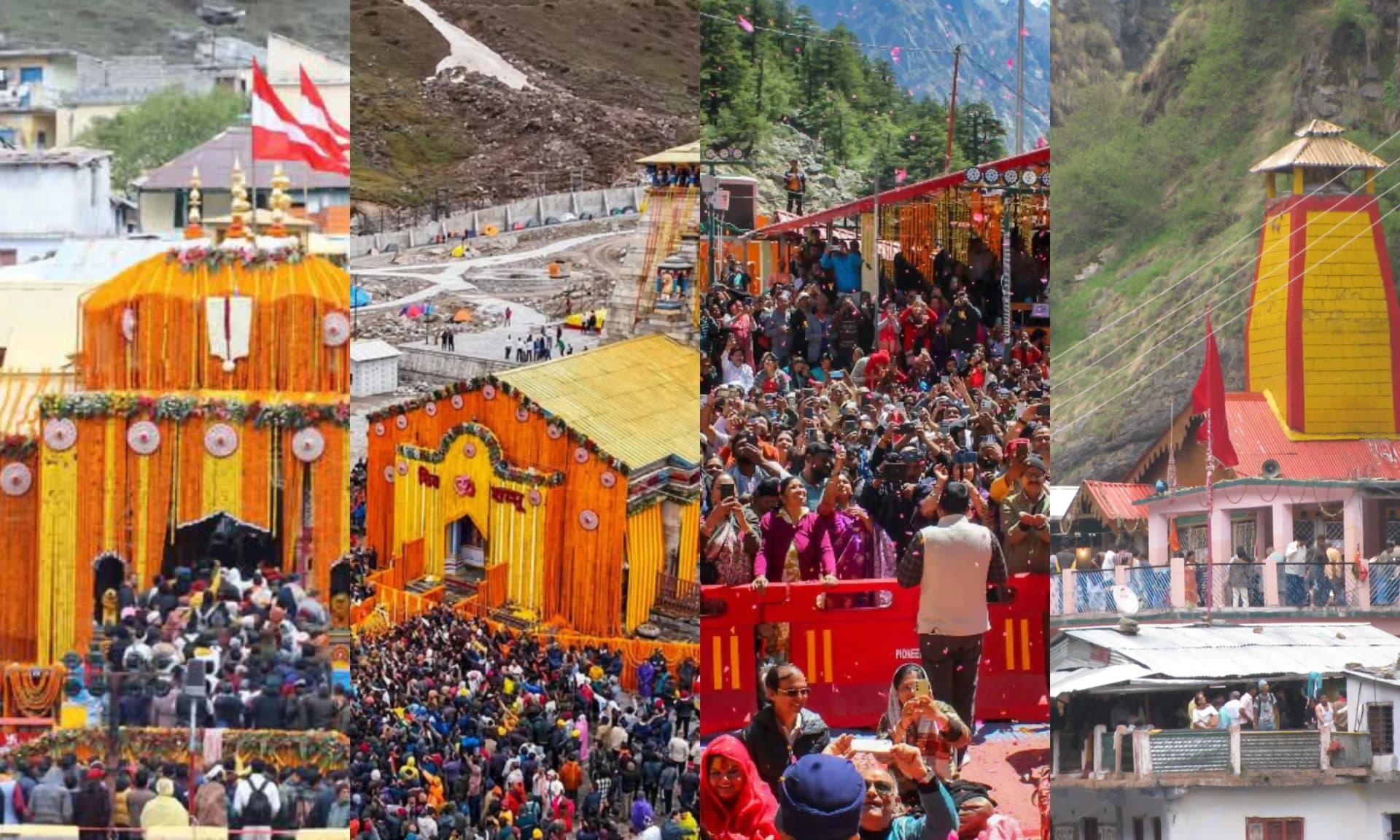
The Char Dham Yatra is not simply another journey through the mountains. For centuries, pilgrims have travelled across the rugged Himalayan terrain to seek blessings at Kedarnath, Badrinath, Gangotri and Yamunotri. To ensure a smooth experience, it’s important to complete your Char Dham Yatra registration early, as the pilgrimage sees thousands of devotees each season.
However, many travellers unknowingly repeat the same mistakes every year. What begins as a sacred pilgrimage can quickly turn stressful if the journey is poorly planned. The Himalayas demand respect, preparation and patience. Those who approach the yatra with awareness often experience a far smoother and more meaningful journey.
Understanding the most common mistakes before starting your pilgrimage can make a remarkable difference.
Ignoring the Real Nature of the Journey
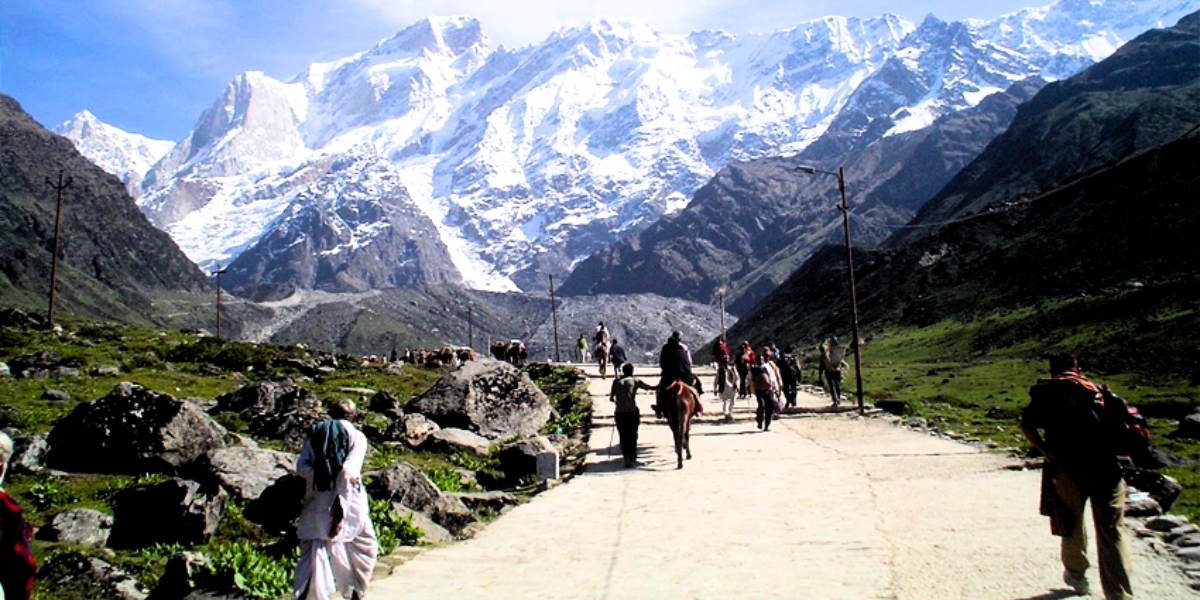
Many first-time travellers assume the Char Dham Yatra is similar to a regular temple visit. In reality, it is a high-altitude Himalayan expedition that involves long road journeys, unpredictable weather and steep treks.
The route to Kedarnath, for instance, requires a challenging trek of around sixteen kilometres, while the roads leading to Gangotri and Badrinath wind through narrow mountain valleys. Weather conditions can shift rapidly, turning clear skies into heavy rain or fog within minutes.
Pilgrims who underestimate the journey often struggle with fatigue, altitude discomfort and travel delays. Understanding the physical nature of the pilgrimage helps travellers prepare both mentally and physically for the experience.
Leaving Planning Until the Last Minute
One of the most common mistakes during the Char Dham Yatra is last-minute planning. The pilgrimage season usually runs for a limited period each year and attracts millions of devotees within a few months. As a result, accommodation, transport and permits are often booked well in advance.
Travellers who delay bookings may face inflated prices, poor accommodation choices or limited transport availability. In peak months such as May and June, even basic guesthouses become difficult to secure.
Planning the journey several weeks ahead allows travellers to choose better routes, comfortable stays and flexible itineraries, reducing unnecessary stress during the pilgrimage.
Ignoring Weather Conditions in the Himalayas
Weather is one of the most unpredictable elements of the Char Dham Yatra. The Himalayan region can experience sudden rainfall, snowfall or landslides, especially during the monsoon months.
Pilgrims who fail to check weather forecasts or pack appropriate clothing often find themselves unprepared for cold temperatures or heavy rain. Even during summer months, temperatures in higher altitudes can drop significantly during early mornings and evenings.
Carrying thermal layers, rain protection and sturdy footwear ensures travellers remain comfortable and safe throughout the journey.
Carrying Too Much or Too Little Luggage
Packing mistakes are another frequent problem during the pilgrimage. Some travellers carry heavy suitcases filled with unnecessary items, while others forget essential gear such as medicines, rain protection or trekking shoes.
Heavy luggage becomes extremely difficult to manage during steep climbs or crowded pilgrimage routes. On the other hand, missing basic essentials can cause discomfort in remote areas where supplies may not be readily available.
A balanced packing strategy that includes warm clothing, essential medication, identification documents and lightweight gear can make travelling through the mountains much easier.
Neglecting Health and Physical Preparation
The high altitude of the Himalayan region can affect even healthy travellers. Reduced oxygen levels, steep terrain and long travel hours place considerable stress on the body.
Pilgrims who begin the journey without basic fitness preparation often struggle with breathlessness, fatigue or altitude sickness. Simple steps such as walking regularly for a few weeks before the trip and staying hydrated throughout the journey can significantly improve endurance.
A basic medical check-up before departure is also advisable, particularly for elderly travellers or those with existing health conditions.
Rushing Through the Pilgrimage
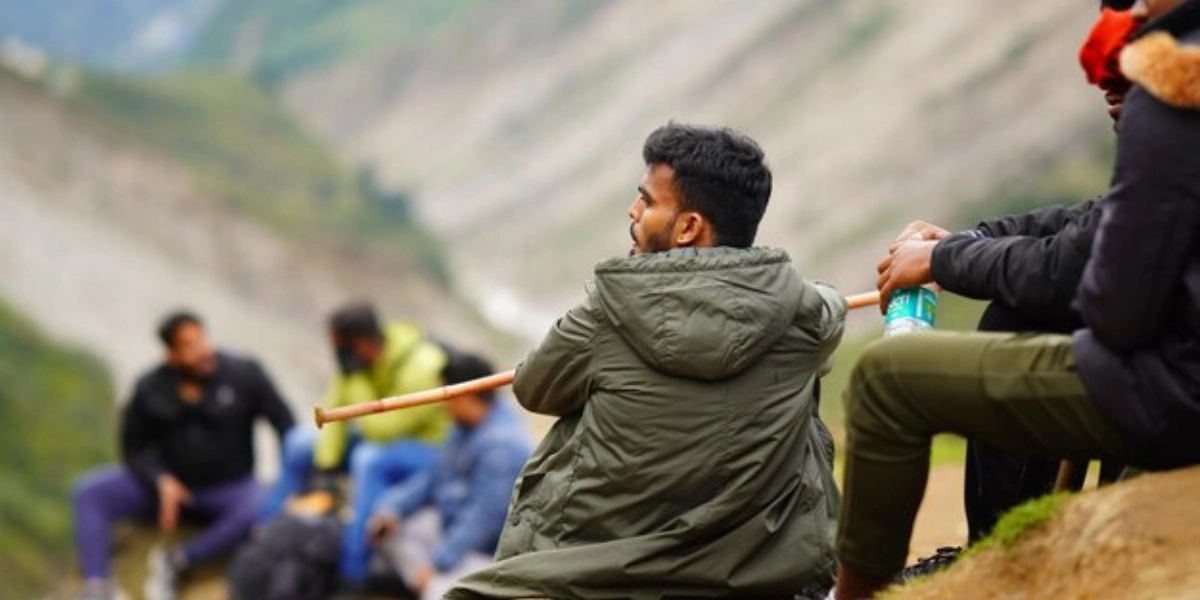
Another mistake many travellers make is trying to complete the entire yatra too quickly. Some attempt to visit all four shrines within a tightly packed itinerary, leaving little time for rest or acclimatisation.
This approach not only increases exhaustion but also reduces the spiritual depth of the journey. The Char Dham pilgrimage is meant to be experienced slowly, allowing travellers to absorb the serenity of the Himalayas and participate in temple rituals.
Taking sufficient breaks between destinations allows the body to adjust to altitude while providing time to appreciate the sacred surroundings.
Ignoring Local Culture and Sacred Traditions
The Char Dham shrines are among the most revered spiritual destinations in India. Respect for local traditions, customs and temple rules is essential during the pilgrimage.
Visitors who behave carelessly, speak loudly inside temple premises or disregard dress guidelines often disrupt the spiritual atmosphere. Modest clothing, patience during darshan queues and respectful behaviour toward priests and locals contribute to a more harmonious pilgrimage experience.
Understanding the cultural significance of the shrines deepens the spiritual connection that the journey is meant to inspire.
Overlooking Environmental Responsibility
The Himalayan ecosystem is extremely fragile. Unfortunately, increasing tourism has led to growing environmental challenges in the region. Discarded plastic bottles, food wrappers and other waste have become common sights along certain pilgrimage routes.
Responsible travellers recognise that preserving the sacred environment is part of the pilgrimage itself. Carrying reusable bottles, avoiding plastic waste and disposing of rubbish properly helps protect the natural beauty of the mountains.
A mindful approach ensures that future generations can continue to experience the purity of these sacred landscapes.
Relying Only on Digital Navigation
Mobile network connectivity in the Himalayas can be unreliable. Pilgrims who depend entirely on navigation apps or internet access may encounter difficulties when signals disappear along remote routes.
Carrying offline maps, printed travel details or guidance from local drivers can prevent confusion and unnecessary delays. Experienced local drivers are often the most reliable source of route information in mountainous terrain.
A Journey That Rewards Preparation
The Char Dham Yatra is more than a physical journey across mountains. It is a spiritual passage that encourages patience, humility and reflection. When travellers approach the pilgrimage with thoughtful preparation and respect for the environment, the experience becomes deeply transformative.
Avoiding common mistakes allows pilgrims to focus on the true purpose of the journey devotion, inner peace and connection with the divine.
With careful planning, the sacred paths of Kedarnath, Badrinath, Gangotri and Yamunotri can become not just destinations, but milestones of a truly unforgettable pilgrimage.
Explore Categories
Loading categories...