

Registration for Char Dham Yatra 2026 has commenced ahead of the temple openings in April. Here’s everything pilgrims need to know about dates, mandatory registration, health advisories and travel planning.
On this page
The announcement that Char Dham Yatra 2026 registration has officially begun marks the quiet but powerful start of a spiritual season that transforms the Garhwal Himalayas each year. The registration process will begin from 6th March 2026, and the temple opening dates for all four dhams in Uttarakhand are now confirmed. Long before the temple doors reopen in April, preparations begin not only in Uttarakhand’s mountain towns but in homes across India and among devotees abroad who have been waiting for this journey, especially those preparing for the Char Dham Yatra 2026 and reviewing the broader Char Dham Yatra guide as part of their travel planning.
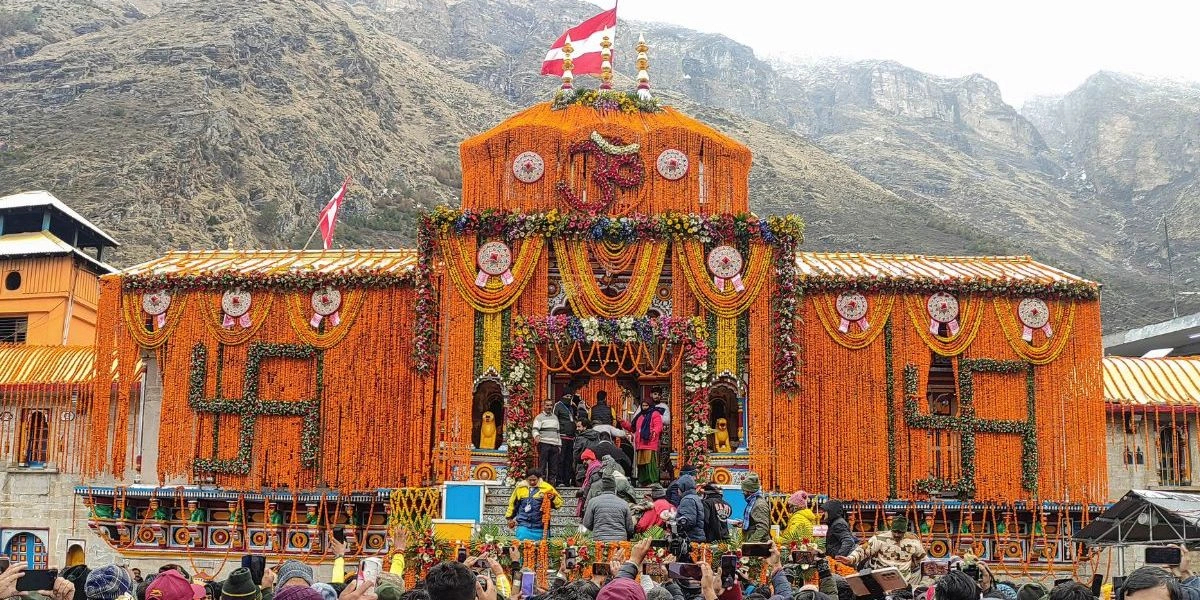
For 2026, the portals of Yamunotri and Gangotri are scheduled to open on 19 April, followed by Kedarnath on 22 April and Badrinath on 24 April. These dates signal the ceremonial awakening of shrines that remain closed through winter due to heavy snowfall. But while the reopening follows tradition, the process leading up to it has evolved significantly. Registration is now the essential first step for every pilgrim.
Why Registration Has Become Mandatory
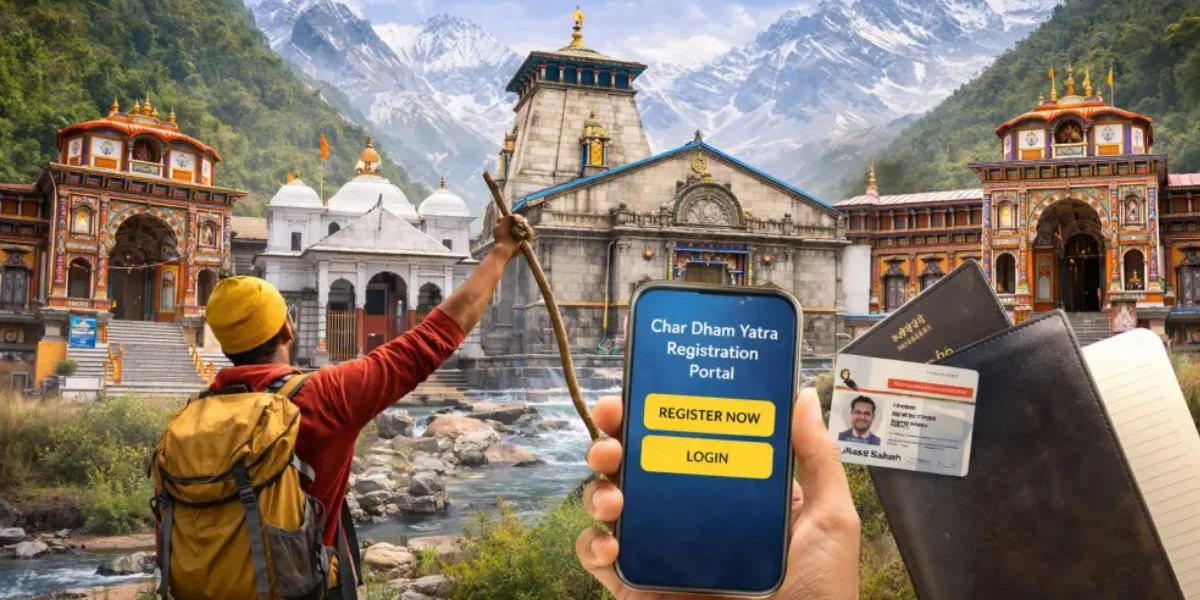
The transformation of the Char Dham Yatra over the past decade has been remarkable. What was once a rugged pilgrimage undertaken by small groups has grown into one of the largest seasonal religious movements in the country. With record-breaking footfall in recent years, authorities have strengthened systems to ensure both safety and sustainability. Registration is not merely an administrative formality; it is now central to managing the delicate balance between devotion and infrastructure in high-altitude terrain.
Mandatory registration for 2026 reflects lessons learned from previous seasons. The Himalayan landscape, breathtaking as it is, can be unpredictable. Sudden weather changes, landslides, traffic congestion and altitude-related health risks require organised oversight. By registering pilgrims in advance, authorities can monitor daily inflow, regulate shrine access and coordinate emergency response more effectively. The system also helps prevent overcrowding, especially at Kedarnath, where limited space and challenging terrain demand careful crowd control. Many travellers now complete formalities digitally in advance, aligning their plans with the updated Char Dham Yatra Registration Guide as part of their preparation.
Understanding the Registration Process
The process itself has been streamlined for convenience. Pilgrims are required to submit personal details, travel dates and valid identification through the official registration platform. Once approved, a confirmation document with a QR code is issued. This document is checked at various transit points along the route. Biometric verification remains a key component, with fingerprint and photograph authentication conducted at designated counters in towns such as Haridwar, Rishikesh, Sonprayag, Guptkashi and Joshimath.
Although provisions for on-site registration may exist at certain locations, peak season demand often leads to daily caps being enforced. Early registration offers greater flexibility in selecting preferred travel dates and reduces the risk of last-minute inconvenience. For group travellers and families, coordinated registration ensures smoother movement through checkpoints.
The Spiritual Route and Its Significance
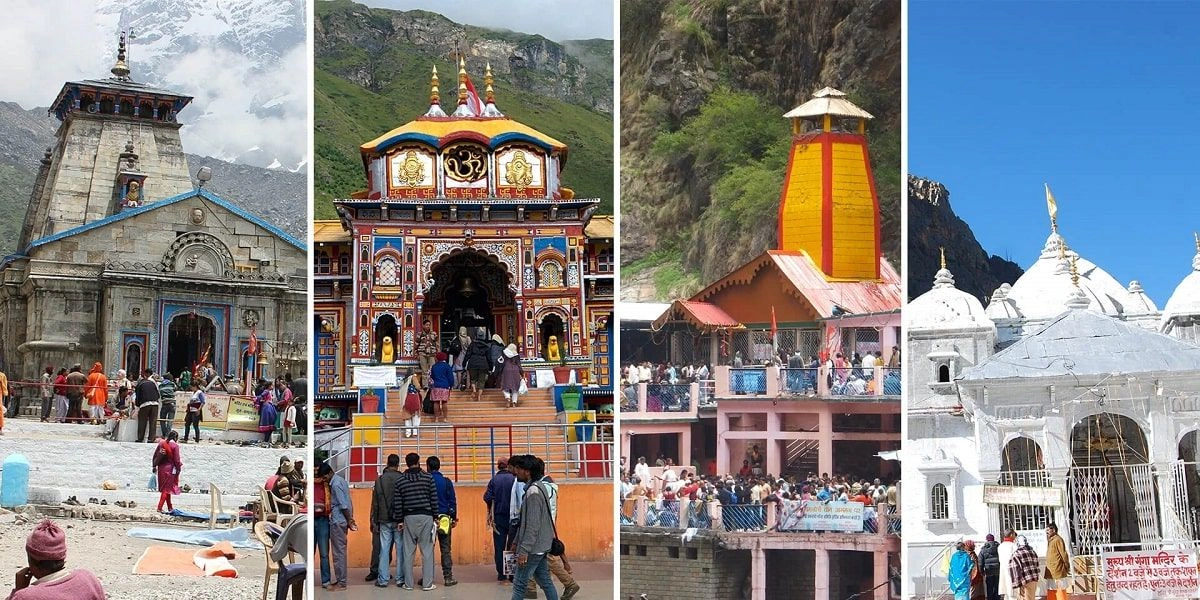
The significance of the Char Dham Yatra lies not only in the four shrines but also in the journey itself. Traditionally undertaken in a clockwise sequence, the pilgrimage begins at Yamunotri, dedicated to the River Yamuna, then proceeds to Gangotri, the source of the River Ganga. From there, pilgrims ascend to Kedarnath, one of the twelve Jyotirlingas of Lord Shiva, before concluding at Badrinath, the sacred abode of Lord Vishnu. This order carries spiritual symbolism rooted in centuries of practice.
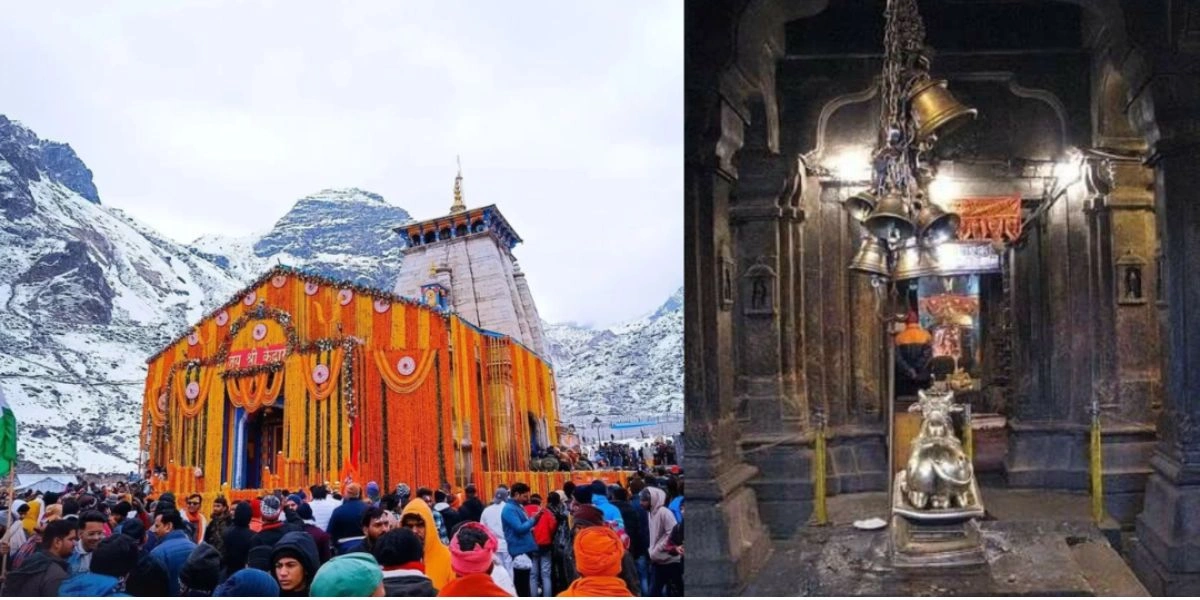
For many devotees, the yatra represents spiritual cleansing and renewal. Yet the physical demands of the journey should not be underestimated. Kedarnath, perched at over 3,500 metres above sea level, requires a trek from Gaurikund unless aerial services are chosen. In recent years, helicopter operations have made the shrine more accessible to elderly pilgrims and those with limited mobility, with seasonal updates commonly aligned with the Char Dham Yatra Helicopter Guide issued ahead of the yatra period.
Health, Altitude and Weather Considerations
Health advisory measures have therefore become integral to the pilgrimage framework. Authorities typically establish medical camps along major points of the route, offering basic screening and emergency assistance. Pilgrims with pre-existing medical conditions are advised to consult healthcare professionals before travelling, particularly if they have respiratory or cardiac concerns. The altitude can affect individuals differently and awareness remains the best safeguard.
Weather patterns also play a decisive role in travel planning. The yatra season generally runs from April to late October or early November, closing again when winter snowfall intensifies. The pre-monsoon months of May and June often see the highest footfall, while July and August bring heavier rains and occasional route disruptions. Post-monsoon months can offer clearer skies but cooler temperatures. Monitoring forecasts and allowing buffer days in travel itineraries can reduce stress during unexpected delays.
Infrastructure Developments in Uttarakhand
Infrastructure development across Uttarakhand has significantly improved access to the shrines. Road widening initiatives, better signage, upgraded parking facilities and improved communication networks have enhanced overall connectivity. Helicopter services to Kedarnath continue to operate during the season, providing an alternative for senior citizens and those unable to undertake long treks. However, flights remain subject to weather conditions and flexibility in scheduling is essential.
Accommodation planning forms another critical aspect of the pilgrimage. Gateway towns such as Haridwar and Rishikesh serve as the starting points for many journeys, while Guptkashi and Joshimath function as strategic overnight stops before ascending to Kedarnath and Badrinath respectively. Once registration opens and temple dates are announced, hotel availability can narrow quickly. Early reservations align travel logistics more effectively with confirmed registration dates.
Economic and Environmental Impact
Beyond the individual journey, the Char Dham Yatra plays a substantial economic role in Uttarakhand. Local communities depend heavily on pilgrimage seasons for livelihood. From small guesthouses and transport operators to local artisans and food vendors, the economic ripple effect extends across districts. Responsible travel practices therefore contribute not only to environmental preservation but also to sustaining regional livelihoods.
Environmental sensitivity has become a growing focus in recent years. The Himalayan ecosystem is fragile and large-scale pilgrim movement places strain on waste management and natural resources. Authorities and local organisations continue to emphasise plastic reduction, proper waste disposal and adherence to designated routes. Registration data assists in estimating daily visitor numbers, allowing better resource allocation and environmental management.
A Season of Faith and Preparation
The structured nature of Char Dham Yatra 2026 reflects a broader shift towards balancing tradition with modern governance. Devotion remains at the heart of the pilgrimage, yet technology and planning now support that devotion in practical ways. Digital confirmations, biometric systems and regulated entry points demonstrate how ancient faith traditions are adapting to contemporary realities.
For first-time pilgrims, understanding the rhythm of the journey is essential. The yatra is not a hurried excursion but a gradual ascent physically and spiritually. Allowing adequate rest between shrine visits, staying hydrated and respecting altitude limits can significantly enhance the experience. For returning devotees, each season offers a different landscape shaped by weather, crowd patterns and infrastructural upgrades.
As April approaches, anticipation continues to build. Temple committees prepare for ceremonial openings, priests relocate from winter abodes and mountain towns ready themselves for the influx of pilgrims. The sound of temple bells will soon echo once again through valleys that have remained silent through winter months.
Registration for Char Dham Yatra 2026 is therefore more than an administrative milestone. It marks the beginning of a sacred movement that blends resilience, faith and community. For millions, the journey is deeply personal a fulfilment of vows, an expression of gratitude or a search for spiritual clarity. For Uttarakhand, it represents continuity, tradition and economic vitality. As planning gains momentum, many pilgrims choose to coordinate logistics, documentation and route management through the best travel agency in Delhi to ensure a seamless start to their yatra.
In the stillness before the season begins, one truth remains constant: preparation is as important as prayer. With registration commencing on 6th March 2026 and temple dates officially confirmed, pilgrims have now taken their first formal step towards a journey that has drawn seekers to the Himalayas for generations. The path ahead may be steep, but it remains illuminated by centuries of devotion and the enduring grandeur of the mountains.
Explore Categories
Loading categories...



.png&w=256&q=70)