

Nestled in the Eastern Himalayas, Tawang enchants travellers with its serene monasteries, snow-capped peaks and crystal-clear lakes. Discover how to plan your visit, the best time to travel and must-see sights in this hidden paradise.
On this page
Tucked away in the easternmost stretches of the Himalayas, Tawang stands as a tranquil retreat for those seeking serenity amidst dramatic landscapes. Its reputation as a hidden paradise is well-earned, with snow-laden mountains that rise like silent guardians, lakes that mirror the sky with uncanny clarity and a culture steeped in centuries of tradition. For first-time visitors, the allure of Tawang is more than just its natural beauty it is the promise of a journey into a realm where time slows and every vista tells a story.
Beyond its landscapes, Tawang captivates with the warmth of its people. Small villages scattered along the valleys offer glimpses into traditional life, where locals welcome travellers with genuine hospitality. Simple acts like sharing a cup of butter tea or exchanging stories with villagers provide a deeper connection to the land, transforming a sightseeing trip into a culturally immersive experience that stays with you long after departure.
Planning Your Visit: Permits and Preparations
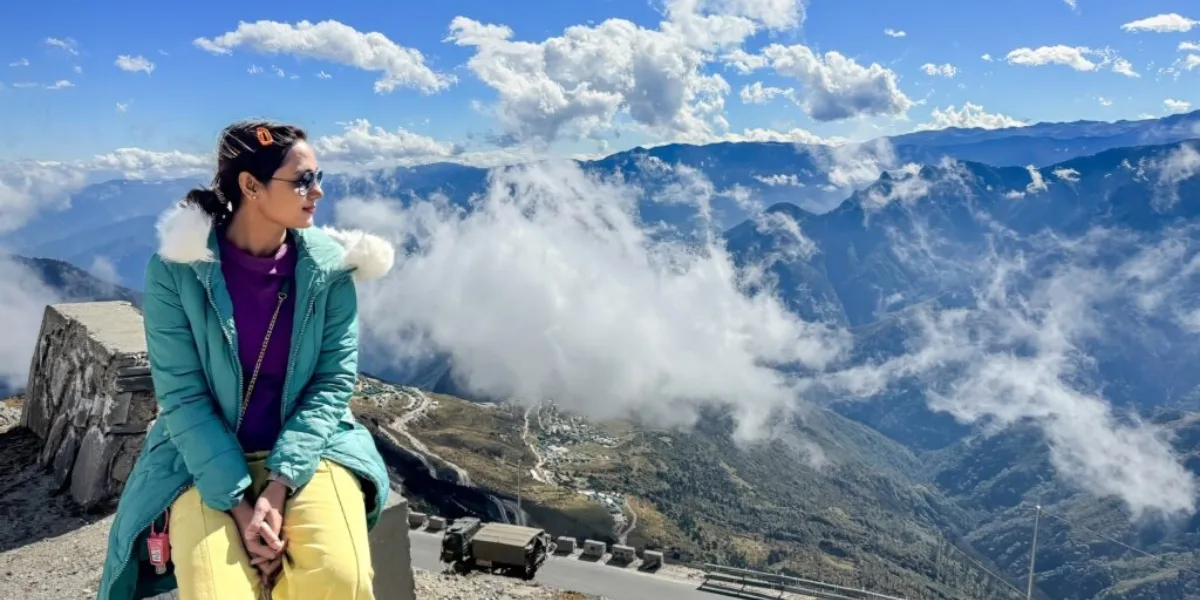
Travel to Tawang demands a measure of planning, chiefly due to its proximity to the Indo-China border. Indian travellers require an Inner Line Permit, obtainable online or at government offices in Guwahati or Tezpur, while international visitors must secure a Protected Area Permit, typically arranged through registered tour operators. Multiple copies of these permits are advisable, as checks are frequent along the winding roads that snake through the mountains.
It is also wise to prepare for unpredictable mountain conditions. Road trips can be long and supplies like water, snacks and warm clothing are essential, especially when traversing high-altitude passes. Mobile connectivity is intermittent, so having offline maps or a local guide can be invaluable. Adequate planning ensures that the journey remains enjoyable rather than stressful, letting travellers fully savour the serene beauty and unique culture of Tawang.
Best Time to Travel: Seasons and Scenic Views
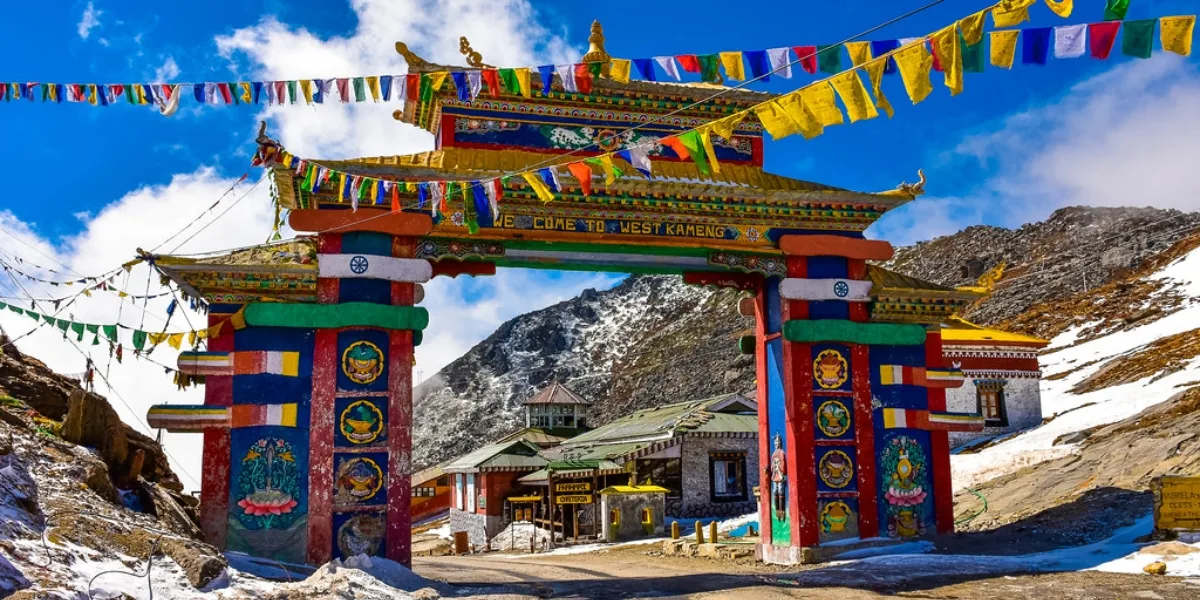
Choosing the ideal time to visit can transform the journey. Between March and June, the weather is mild, the roads accessible and the flowers begin to bloom, painting the landscape in vibrant hues. Photographers and sightseers often prefer the clarity of September to November, when the skies are unbroken by haze and every view is postcard-perfect. For those captivated by snow, December through February offers a winter wonderland, though travellers should be prepared for occasional road closures due to heavy snowfall.
Seasonal festivals add another layer to the travel experience. The Torgya festival, celebrated in January, showcases traditional dances, rituals and local folklore, offering an unforgettable glimpse into the spiritual heritage of Tawang. Witnessing such events enriches a visit beyond natural beauty, blending scenic exploration with cultural insight and creating memories that last a lifetime.
The Road to Tawang: Journey and Scenic Routes
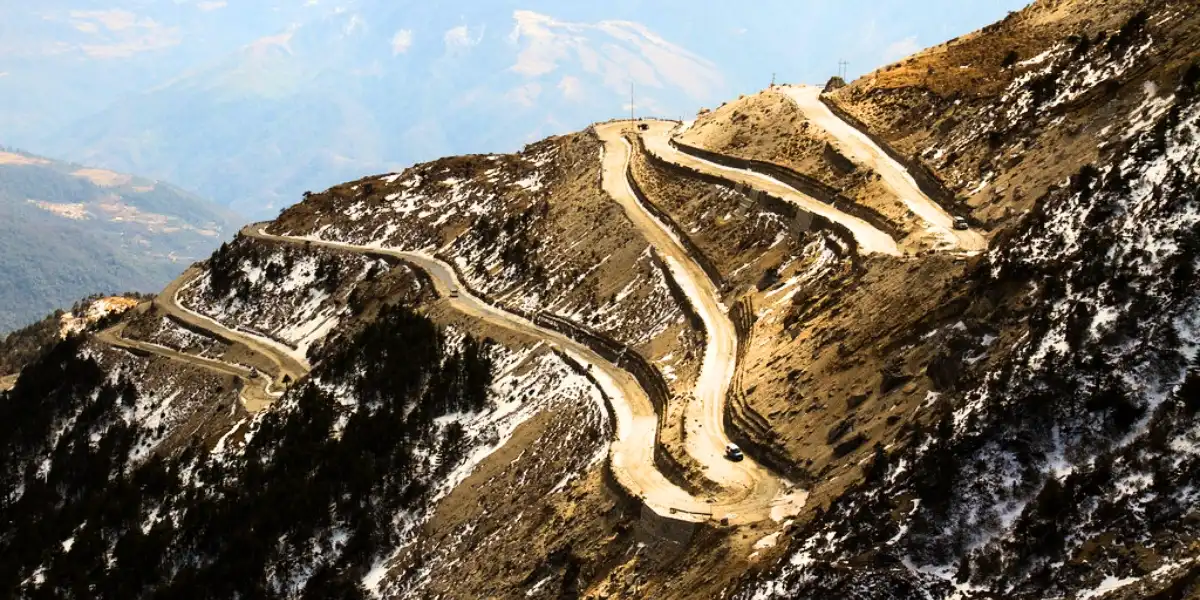
Reaching Tawang is an adventure in itself. While the nearest airport lies in Guwahati, the journey continues by road across a landscape that shifts from verdant valleys to dramatic mountain passes. Rail travel is possible to Guwahati or Tezpur, followed by a road trip that introduces travellers to the thrill of winding paths and breathtaking vistas. The Sela Pass, with its high-altitude serenity, is both a route and a destination, offering expansive views that linger long in memory.
Travelling these roads allows visitors to witness the changing terrain, from dense forests to highland meadows, punctuated by glacial streams and cascading waterfalls. Each stop along the way presents photographic opportunities and moments for quiet reflection, making the journey itself as rewarding as the destination. Local eateries and roadside stalls serve authentic snacks and beverages, adding flavour and warmth to the adventure.
Cultural Heartbeat: Monasteries and Heritage Sites
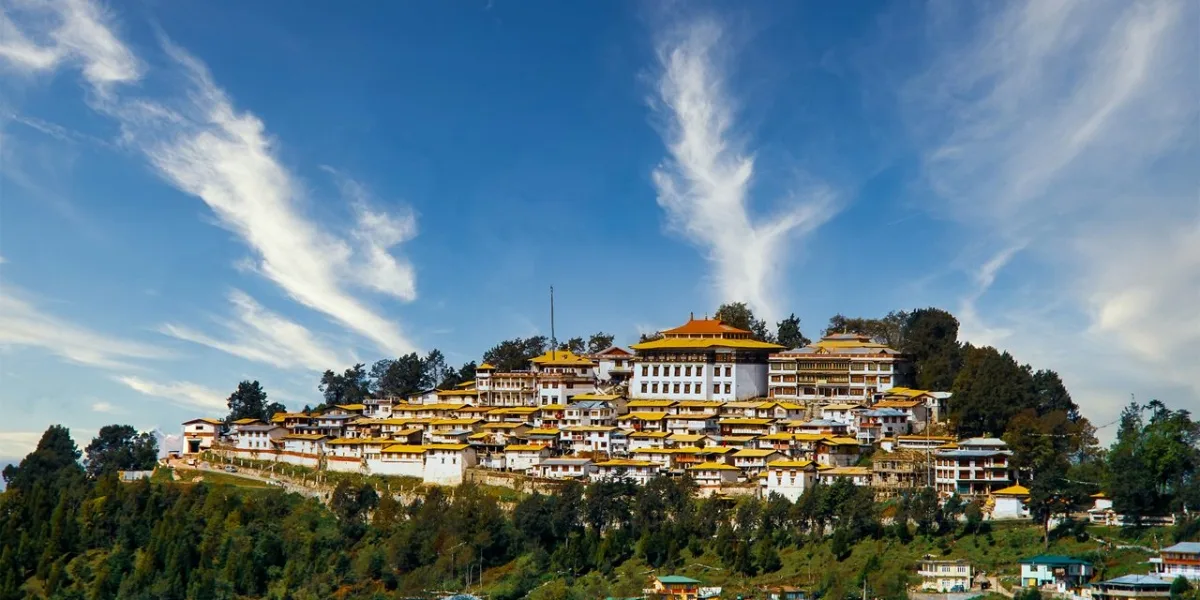
The heart of Tawang’s cultural richness is its monastery, the largest in India and second largest worldwide. Perched upon a hill, it exudes an aura of peaceful contemplation, inviting visitors to explore not just its intricate architecture but the rhythms of monastic life. Nearby, Madhuri Lake, known locally as Sangestar Lake, presents a stunning tableau of rocky shores and crystal waters, ideal for quiet reflection. The Tawang War Memorial stands as a solemn reminder of history, honouring the valour of soldiers in the 1962 Indo-China conflict, its significance felt deeply by those who visit.
Beyond the main sites, smaller temples and heritage corners scattered around the town invite exploration. Local artisans continue centuries-old crafts and intricate murals and prayer wheels tell stories of devotion and history. Engaging with these spaces allows travellers to appreciate the depth of Tawang’s cultural tapestry, far beyond its famed landmarks.
Culinary Delights: Flavours of the Mountains
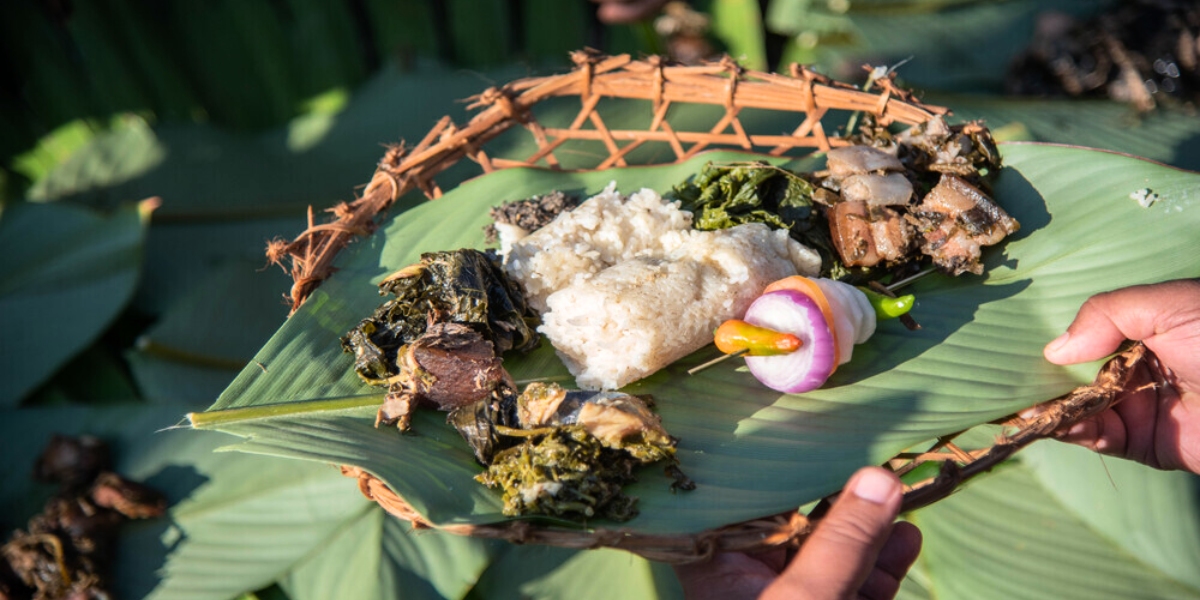
Tawang is also a culinary delight, where mountain flavours and traditional recipes meet. Soft, steaming momos and hearty thukpa soup provide warmth against the chill, while zan, a millet-based dish, offers a taste of local sustenance. Butter tea, an unusual yet comforting blend of tea, butter and salt, is often shared in the hospitable warmth of the monasteries.
Sampling local food is not merely about taste; it is an immersion into daily life. From roadside stalls serving freshly fried snacks to home-cooked meals in village guesthouses, each bite carries a story of heritage, climate and resourcefulness. The richness of Tawang’s cuisine reflects the resilience of its people and the bounty of its land, offering a sensory journey alongside scenic and cultural exploration.
Experiencing Tawang: Nature, Culture and Memories
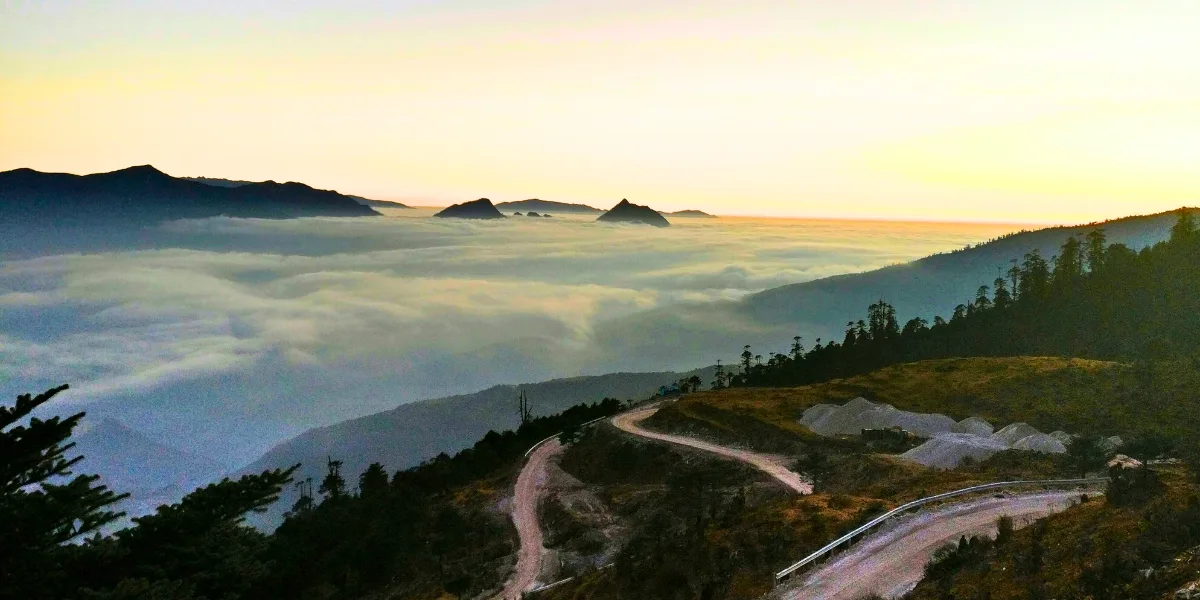
To wander through Tawang is to witness a delicate balance between nature, culture and history. Every peak, lake and temple invites contemplation, every path encourages exploration and every moment spent here becomes part of a personal narrative. Whether drawn by adventure, photography, or quiet introspection, visitors leave with more than memories they depart with a profound sense of connection to a landscape that seems almost untouched by time.
What stays with travellers most is the sense of harmony and rhythm that permeates Tawang. Sunrise over snow-clad mountains, mist rolling over valleys, monks chanting in the distance these fleeting moments create an emotional tapestry. Returning home, the memory of Tawang lingers like a soft echo, inspiring future journeys and a deeper appreciation for the world’s hidden treasures.
Explore Categories
Loading categories...



.png&w=256&q=70)