US Ambassador’s Empty Taj Mahal Photo Sparks Debate
A photo of US Ambassador Sergio Gor at an empty Taj Mahal has gone viral, raising questions about VIP privileges and equitable access for everyday visitors at India’s most iconic monument.
When US Ambassador Sergio Gor visited the Taj Mahal recently, a photograph he shared of the monument entirely devoid of visitors sparked intense discussion online. In the image, the ambassador sits on a bench with the iconic white marble mausoleum in the background, without a single tourist in sight. Taken during hours when the site is usually crowded, the photo led to questions about VIP access, preferential treatment, and how heritage sites accommodate high-profile guests while maintaining public access.
Social media users were quick to comment, with some suggesting that the area might have been cleared to create a perfect photo opportunity. Comparisons to privileges once enjoyed by colonial officials and high-ranking dignitaries resurfaced, highlighting long-standing debates over equal access to world-famous landmarks. While the ambassador’s visit was undoubtedly brief and security-driven, images such as these tend to amplify perceptions of exclusivity, sometimes overshadowing the cultural significance of the site itself.
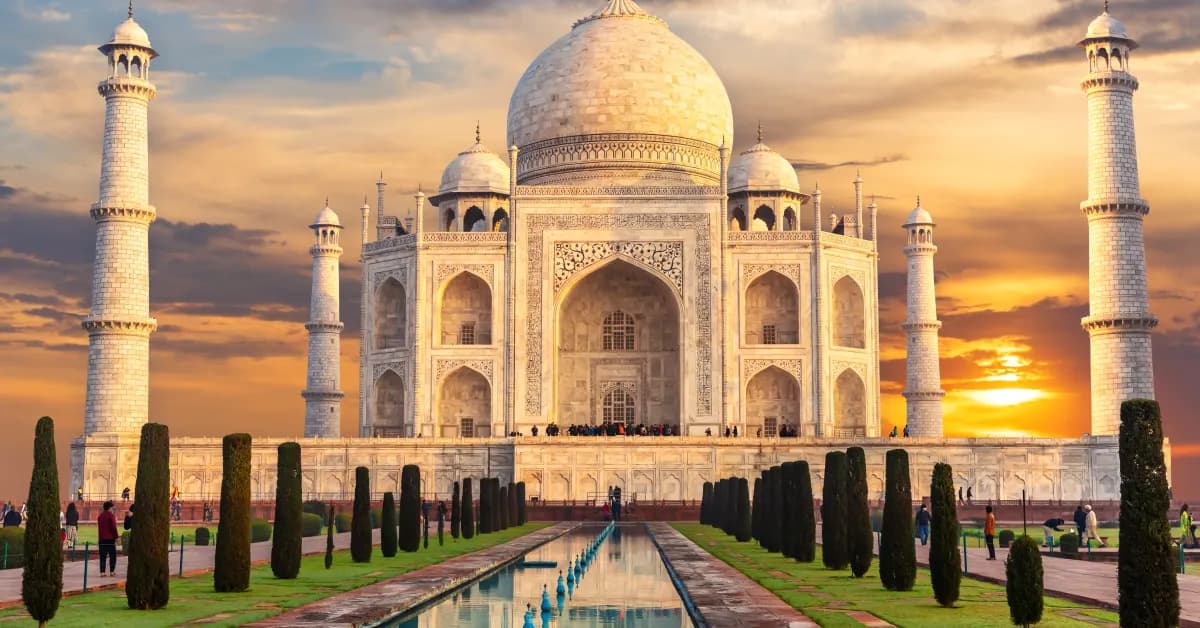
The Taj Mahal, recognised globally as a UNESCO World Heritage Site, attracts millions of tourists annually, making it one of India’s busiest destinations. Balancing security and convenience for dignitaries with the expectations of everyday visitors is no easy task. Experts note that high-profile visits often involve temporary closures or crowd management measures, yet images showing a completely empty monument can create an impression of unfair privilege, even if the disruption is minimal.
The incident also shines a light on the role of social media in shaping public perception. A single photograph can spark a national debate on transparency, fairness, and visitor experience. While some users criticised the apparent exclusivity, others highlighted that similar arrangements exist at major monuments worldwide, and temporary closures for VIPs are generally standard protocol.
Beyond the photograph itself, the episode raises broader questions about how heritage sites manage crowd control, security protocols, and media coverage in today’s digital age. With millions of visitors eager to experience the Taj Mahal in its full glory, authorities must strike a balance between VIP convenience and preserving an authentic experience for regular tourists. Clear communication about temporary closures or special arrangements could help prevent misunderstandings and maintain public trust.
Despite the controversy, the Taj Mahal’s allure remains undiminished. The monument continues to draw admirers from across the globe, mesmerising visitors with its timeless beauty, intricate carvings, and historical significance. For many, the incident serves as a reminder of the enduring challenge of managing world-class tourism sites in a connected world, where every image can go viral and invite scrutiny.
Ultimately, the discussion is less about the ambassador and more about equitable access, visitor experience, and cultural transparency. As India’s tourism sector continues to grow, managing high-profile visits while keeping the monument accessible and enjoyable for all visitors will remain a key priority. For now, the Taj Mahal stands as a symbol of India’s rich heritage, offering an unforgettable experience to millions, regardless of the debate over VIP privileges.
Last Updated: October 12, 2026