New Road Corridor Speeds Up Delhi to Dehradun Trips
After the launch of the Delhi–Dehradun Expressway, the journey between Dehradun and Delhi was completed in under three hours, significantly reducing travel time. The elevated wildlife corridor at Mohand has eased congestion considerably. However, issues such as incomplete signage at entry points and lack of facilities like petrol pumps and rest areas still remain. Traffic within Delhi and Dehradun continues to add to the overall travel time, affecting the end-to-end journey experience.
Dehradun, April 21: Hours after the inauguration of the Delhi–Dehradun Expressway by Narendra Modi, early users have reported a significant reduction in journey time, though several operational gaps remain.
A same-day drive from Dehradun to Delhi showed that the much-discussed Delhi to Dehradun highway can now be covered in under three hours in light traffic conditions. The route, which earlier took five to six hours, is expected to bring the average Delhi to Dehradun travel time down to about two and a half hours once fully operational.
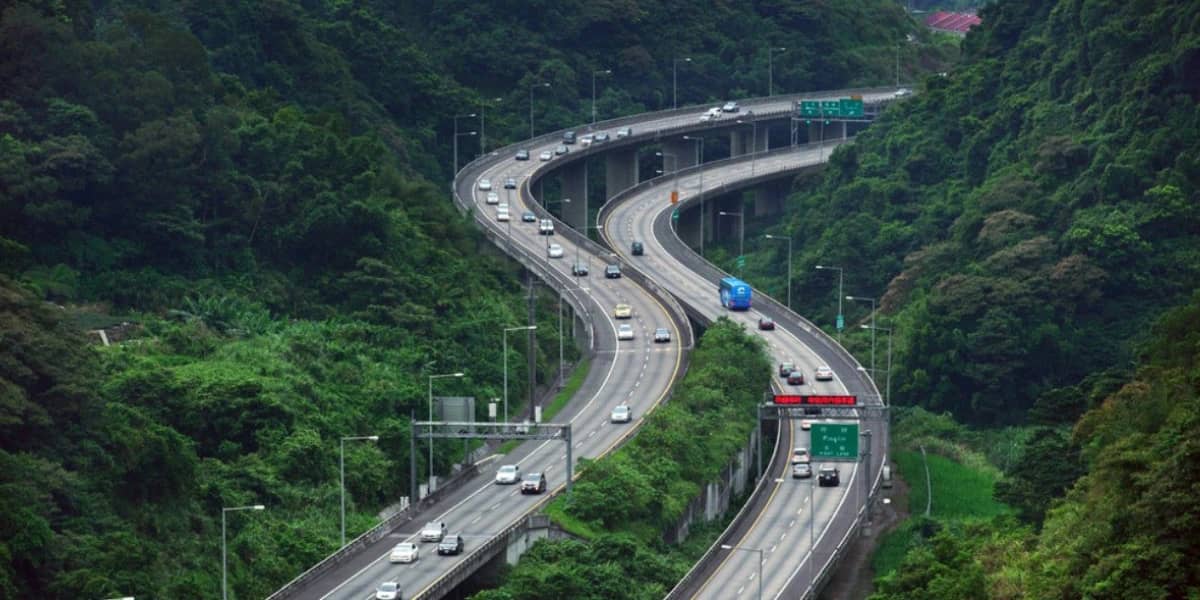
One of the biggest improvements has been observed at Mohand, previously a major congestion point. The newly constructed 11-kilometre elevated wildlife corridor has eased traffic flow considerably, reducing crossing time in the stretch to around 10–15 minutes. The structure has been designed to allow safe animal movement and includes multiple underpasses and a tunnel near the Daat Kali temple.
Officials from the National Highways Authority of India said the project faced engineering challenges, including construction over a riverbed, monsoon-related risks, and restrictions due to wildlife activity.
Despite the faster commute, access to the Delhi to Dehradun new highway is still not fully streamlined. In some areas, including near Gagalheri in Saharanpur, signage remains incomplete, making entry points easy to miss.
Infrastructure along the expressway is also under development. Currently, there are limited operational facilities such as petrol pumps, food outlets, and restrooms. Wayside amenities are expected to become functional in the coming months.
Traffic conditions also change closer to Delhi. After the Loni toll plaza, increased vehicle inflow from nearby regions slows down movement, bringing speeds closer to typical city conditions.
A similar pattern has been reported on the return journey, with smooth highway travel followed by congestion within city limits. In Dehradun, local traffic continues to offset some of the time saved on the expressway.
While the Delhi–Dehradun Expressway marks a major step forward in road connectivity, experts note that its full potential will depend on improved urban traffic management, better signage, and the completion of supporting infrastructure.
For now, the project signals a strong shift towards faster intercity travel, even as on-ground realities continue to evolve.
Last Updated: October 12, 2026