

Monsoon shows a fresh side of nature. Some parks stay closed, but many wildlife sanctuaries in India are still open for a peaceful green escape. With a little planning, you can enjoy wildlife, quiet forests, and rainy season views without much trouble. If you are planning your next nature trip, Musafir Baba can help make it easy and memorable. Pack light, stay prepared, and enjoy the beauty of India’s forests this monsoon. It is a simple way to unwind too.
On this page
Think all forests and safari parks shut down the moment rain hits? Not true. A few tiger reserves close for a couple of months when the rain gets heavy. But plenty of wildlife sanctuaries in India stay open, and they're worth the trip. Monsoon might even be when these forests look their best. Everything turns green. Rivers fill up. Waterfalls come back to life. And the air feels cleaner. Walking through the jungle at this time feels different.
It's also the season for nature without the crowds. Want to spot animals? Go birdwatching? Or just sit surrounded by green? Monsoon shows you a new side of these places. So here, we round up some of the best wildlife sanctuaries that stay open through the rains and what makes each one worth visiting.
Why Visit Wildlife Sanctuaries During the Monsoon?
The moment it rains, most people want to stay home or head to a hill station. But if you love nature, a forest trip during the rains is one of the best things you can do. It feels nothing like visiting at any other time of year.
If you're planning a nature getaway and aren't sure whether to visit a wildlife sanctuary or a national park, understanding the difference between wildlife sanctuary and national park can help you choose the right destination.
Here's why a monsoon jungle safari is worth trying:
The forests turn green again the dry, dusty look disappears almost overnight. The trees look fresh, and the whole forest feels alive.
Way fewer people around most tourists skip travel during the rains. So you get the trails almost to yourself. No crowds, no long lines. Just you and the forest.
Waterfalls and rivers are full the rain fills up every river, stream, and waterfall nearby. And honestly, the views look like a postcard.
A great time for bird watching in the monsoon brings out bird activity. Both local and migratory birds become easier to spot among the wet trees.
Good light for photos, and between the mist, wet leaves, and cloudy skies, the lighting during monsoon makes for better photos than most other seasons.
Top Wildlife Sanctuaries in India That You Can Visit During Monsoon
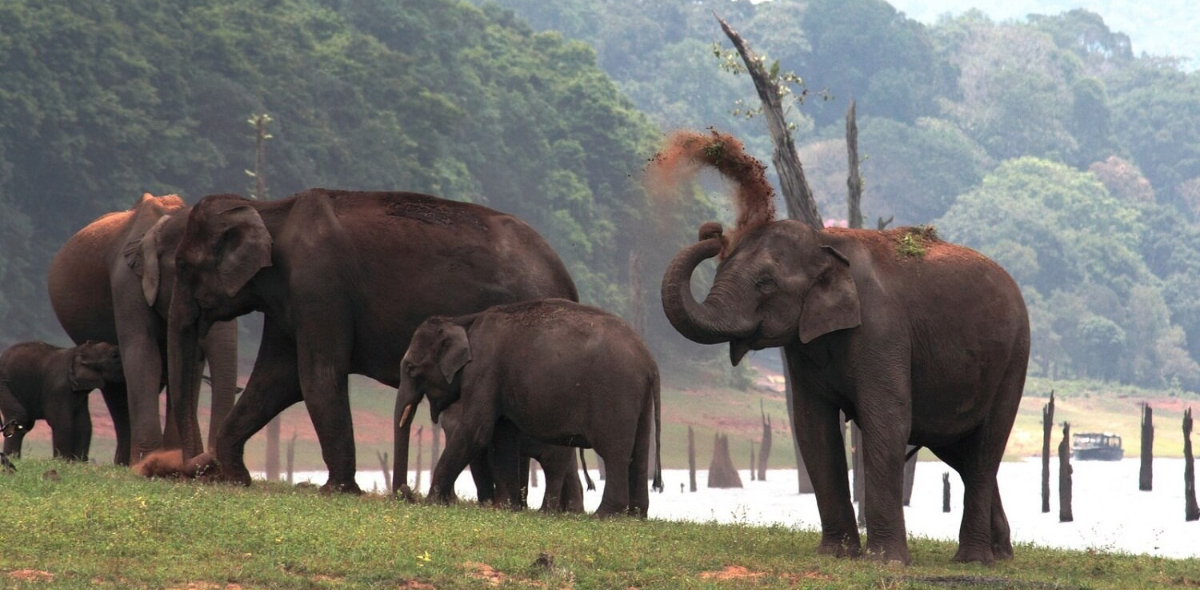
Most people think every park shuts down once the rain starts. But that's not really true. A few tiger reserves close up, but tons of sanctuaries stay open. And honestly, they look better after the rain. Everything's greener, the weather's nicer, and you won't fight crowds. Here's where to go this monsoon.
Periyar Wildlife Sanctuary, Kerala Periyar never closes, rain or shine. Once monsoon hits, the forest turns fresh and green, and the lake fills back up. Skip the jeep, and take a boat instead. You'll spot elephants, deer, wild boars, and birds near the water. Periyar is also a good place for bird watching during the rainy season.
Bhitarkanika National Park, Odisha This place is about mangroves and a maze of rivers and creeks. Take a boat ride through the waterways during monsoon, and you get up close with the whole park. Plus, saltwater crocs, kingfishers, herons, and other birds hang around.
Wayanad Wildlife Sanctuary, Kerala Once the rain starts, Wayanad gets cool and foggy, and the whole forest feels calm and quiet. Sitting in the Nilgiri Hills, you'll find elephants, deer, peacocks, monkeys, and birds here. A great spot if you like birdwatching or just want a peaceful walk.
Binsar Wildlife Sanctuary, Uttarakhand More of a mountain person? Binsar is your spot during monsoon. The hills get covered in mist, and the oak and rhododendron trees look their best after the rain. It stays empty too. So you can walk around, watch birds, and take photos without any noise.
Sultanpur National Park, Haryana It's a short drive from Delhi. So it's perfect for a quick weekend trip. The rains bring in local birds, and migratory ones start showing up soon after. Nice trails, nice wetlands, and a good spot to relax for a few hours if you're into birdwatching or photography.
Things to Keep in Mind During a Monsoon Wildlife Trip
A monsoon trip to wildlife sanctuaries in India can be a lot of fun. But a little planning makes the journey easier. The weather can change fast, so it's better to be prepared. Here are a few things to remember before you leave.
Carrying a raincoat or poncho works better than an umbrella inside a forest. Keep your phone, camera, and other valuables in a waterproof bag.
Wear the right shoes in the forest trails get muddy and slippery after rain. Shoes with good grip help you walk comfortably.
Choose full-sleeve clothes They protect you from insects, mosquito bites, and even leeches in some forest areas. Light green, brown, or khaki colors also help.
Keep mosquito repellent with you. Rainy weather means more insects, especially around lakes and forests. A small bottle of repellent helps a lot.
Check the weather before you go Heavy rainfall can delay safaris or close a few routes for safety. So check the latest updates before starting your trip.
Don't rush the experience. Monsoon travel isn't only about spotting animals. Sometimes the best part is the fresh air, the green forests, and the peaceful surroundings.
Best Time to Visit Wildlife Sanctuaries During Monsoon
The monsoon usually runs from June to September, but each month brings its own feel. Planning a trip to India's wildlife sanctuaries? Here's what to expect month by month.
June is when rains start showing up in most parts of the country, and forests slowly turn green. It's a nice time to go if you want decent weather without too much mud on the trails. Places like Kerala and Uttarakhand look pretty this month.
July is the monsoon, which picks up pace now. Rivers and lakes fill back up, and forests look fresh after the regular rain. Into nature or photography? July is a great time to plan your trip.
August is when everything turns its greenest. Forests feel calm and peaceful, though a few areas might get heavy rain. Worth checking the weather updates before you head out, just to be safe.
September rain starts easing up in a lot of places, but the green stays. Walking around gets more comfortable, and spotting wildlife becomes a bit easier too. Many travellers think this is the best month for a monsoon trip.
Tips for Planning Your Wildlife Holiday
A bit of planning goes a long way when heading to wildlife sanctuaries in India, especially during monsoon. Before you pack your bags, keep a few things in mind.
Book your stay early there are some hotels and forest stays that fill up fast. So it's better to lock things in ahead of time.
Keep an eye on the weather. Rain can mess with your plans. So check the forecast before you leave home.
Confirm safari timings heavy rain can push back safari slots or shut down a few areas. Always check the latest updates before you go.
Take a local guide they know the forest inside out and can help you spot animals you'd probably miss on your own.
Pack smart things like a raincoat, comfy shoes, mosquito repellent, a water bottle, and a waterproof cover for your phone or camera.
Respect nature and follow the forest rules, keep the noise down, don't feed the animals, and never leave plastic or trash behind.
Planning a monsoon wildlife trip? MusafirBaba can help you discover the best wildlife sanctuaries in India, plan your itinerary, and enjoy a hassle-free nature holiday.
Explore Categories
Loading categories...



.png&w=256&q=70)