

Planning a trip to Vietnam? Understanding common visa rejection reasons can help you avoid mistakes and improve your chances of approval. Here’s what Indian travellers need to know.
On this page
There is a certain allure about Vietnam that continues to draw Indian travellers in growing numbers. Perhaps it is the poetic beauty of Ha Long Bay, the lantern-lit charm of Hoi An, or the vibrant street life of Hanoi that feels both chaotic and comforting. Yet, for many eager travellers, the journey encounters an unexpected pause even before departure a visa rejection.
Planning a trip to Vietnam often begins with excitement, but the visa process can quickly become overwhelming if not handled correctly. Many travellers face rejection simply due to avoidable errors, which is why seeking reliable Vietnam visa assistance at the very start can make the entire process smoother and stress-free.
While Vietnam is considered relatively accessible compared to many international destinations, visa rejections for Indian applicants do happen. What is often surprising is that these rejections are rarely due to complex legal issues. More often than not, they stem from simple, avoidable mistakes that can be corrected with careful attention and a better understanding of the process.
The Hidden Impact of Small Errors
A visa application is not merely a formality; it is a document that reflects your intent, credibility and preparedness as a traveller. Even the smallest oversight can create doubt in the eyes of immigration authorities.
Many applicants unknowingly submit forms with minor discrepancies a misspelt name, an incorrect passport number, or mismatched travel dates. While these may seem insignificant, they can lead to immediate rejection. Immigration systems are designed to detect inconsistencies and even a minor mismatch between documents can raise concerns.
Taking time to review every detail, ensuring accuracy across all documents and avoiding rushed submissions can significantly reduce the risk of rejection.
Documentation That Tells an Incomplete Story
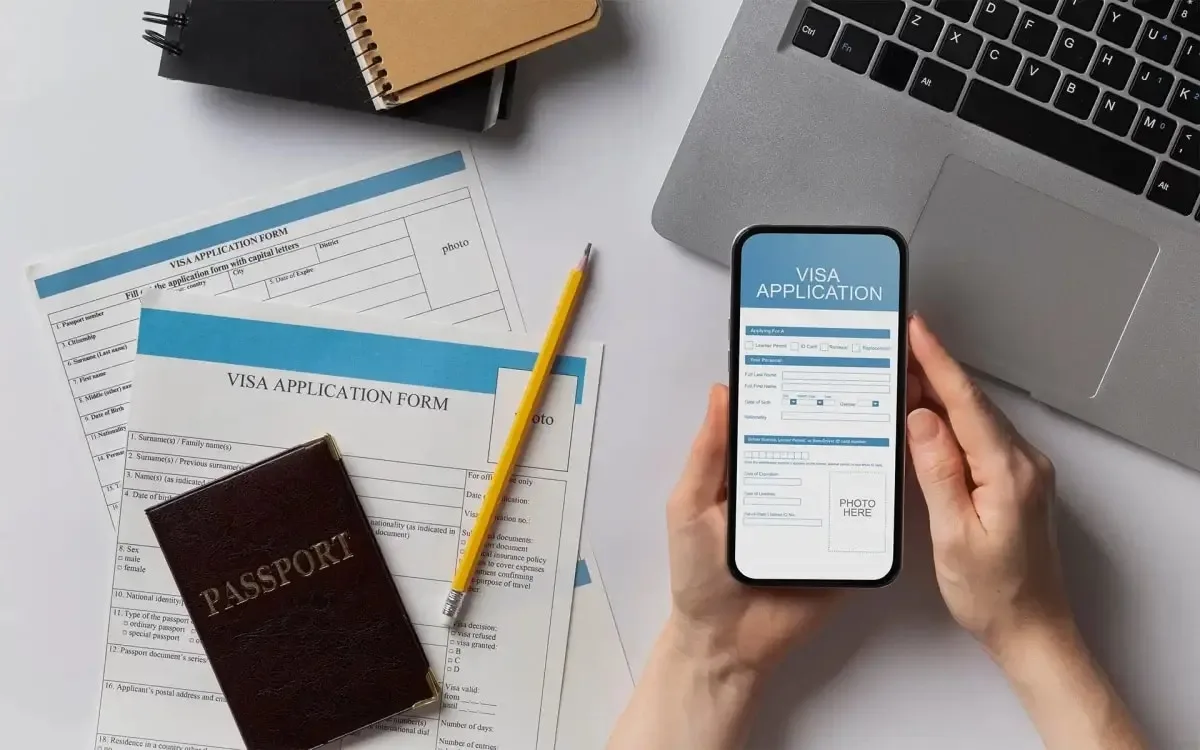
Another common reason for visa rejection lies in incomplete or poorly presented documentation. A visa officer relies entirely on your documents to assess your eligibility. If your paperwork fails to present a clear and complete picture, your application may not make it through.
For instance, submitting unclear passport scans, missing hotel bookings, or failing to provide return flight details can weaken your case. Your documents should work together to tell a coherent story where you are going, why you are going and when you intend to return.
Clarity and completeness are not optional; they are essential.
When Your Passport Works Against You
Your passport is more than just an identity document; it is a reflection of your travel history and eligibility. One of the most overlooked aspects is passport validity. Vietnam requires your passport to be valid for at least six months beyond your intended date of entry.
Applicants who fail to meet this requirement often face immediate rejection. Similarly, passports with insufficient blank pages can also cause issues during processing.
Before starting your visa application, it is always wise to check your passport’s validity and condition. Renewing it in advance can save you unnecessary stress later.
Travel History and First-Time Travellers
There is a common misconception that having no travel history automatically leads to visa rejection. While it is true that experienced travellers may find the process smoother, first-time travellers are not at a disadvantage if they present a strong application.
What matters more is how convincingly you present your travel intent. A detailed itinerary, confirmed hotel reservations and return tickets can compensate for a lack of travel history. These documents reassure authorities that your trip is well-planned and temporary.
Unclear Purpose of Visit
A visa application should clearly communicate your purpose of travel. When this purpose appears vague or inconsistent, it raises questions.
For example, applying for a tourist visa without providing a clear itinerary or mentioning business activities can create confusion. Similarly, planning an unusually long stay without proper explanation may seem suspicious.
As you move forward with your travel plans, understanding the overall journey becomes equally important. From documentation to entry requirements, having clarity can prevent last-minute surprises. A helpful way to prepare is by exploring a detailed guide on how Indians can travel to Vietnam, which covers essential steps every traveller should know before departure.
Financial Stability Matters
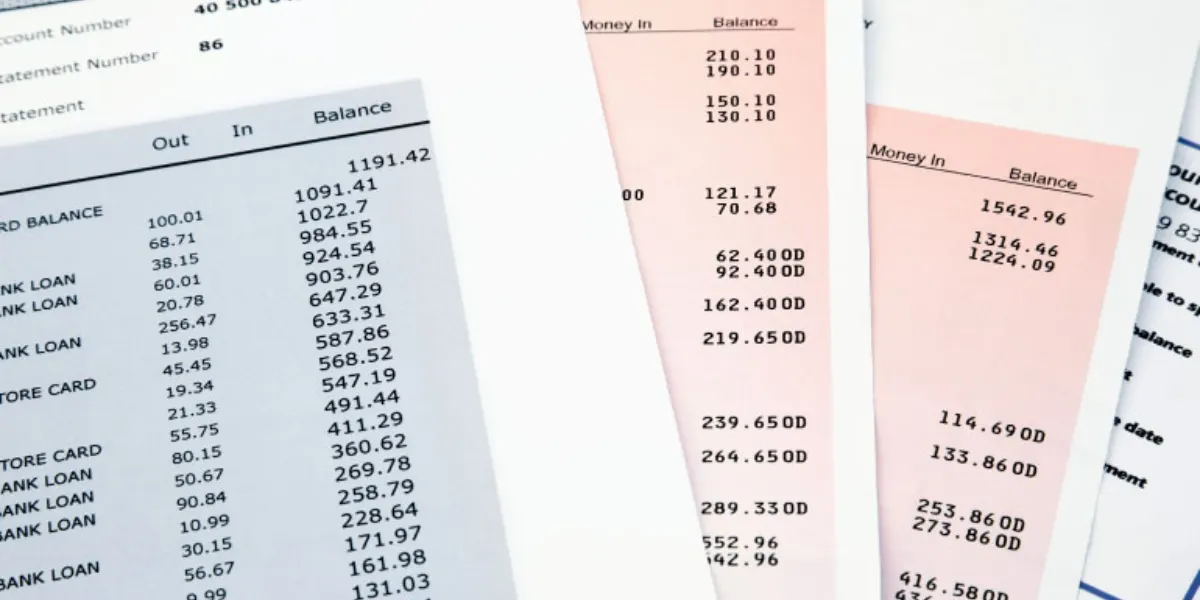
Although Vietnam does not impose overly strict financial requirements, demonstrating financial stability remains important. Immigration authorities need assurance that you can support yourself during your stay.
Applicants who submit inconsistent bank statements, insufficient funds, or unclear financial records may face rejection. Your financial documents should reflect stability, regular income and the ability to cover your travel expenses comfortably.
It is not about showing wealth; it is about showing reliability.
Previous Immigration Issues
Your past travel behaviour can influence your future visa applications. If you have previously overstayed a visa or violated immigration rules in any country, it may affect your credibility.
What matters here is honesty. Attempting to hide such information can lead to more serious consequences than the violation itself. Being transparent and providing explanations where necessary can sometimes work in your favour.
Choosing the Wrong Application Channel
In the age of convenience, many travellers rely on third-party agents or unofficial platforms for visa applications. While some are reliable, others may not follow proper procedures, leading to errors or incomplete submissions.
Choosing the right application channel is crucial. Applying through official portals or trusted visa experts ensures that your documents are handled correctly and reduces the risk of rejection due to technical or procedural mistakes.
Overlooked Details Like Photographs
One of the most underestimated aspects of a visa application is the photograph. Vietnam has specific requirements regarding size, background and clarity. Submitting a photograph that does not meet these standards can result in delays or rejection.
A professionally taken photograph that meets all specifications ensures that this small detail does not become a major obstacle.
Timing Can Make or Break Your Application
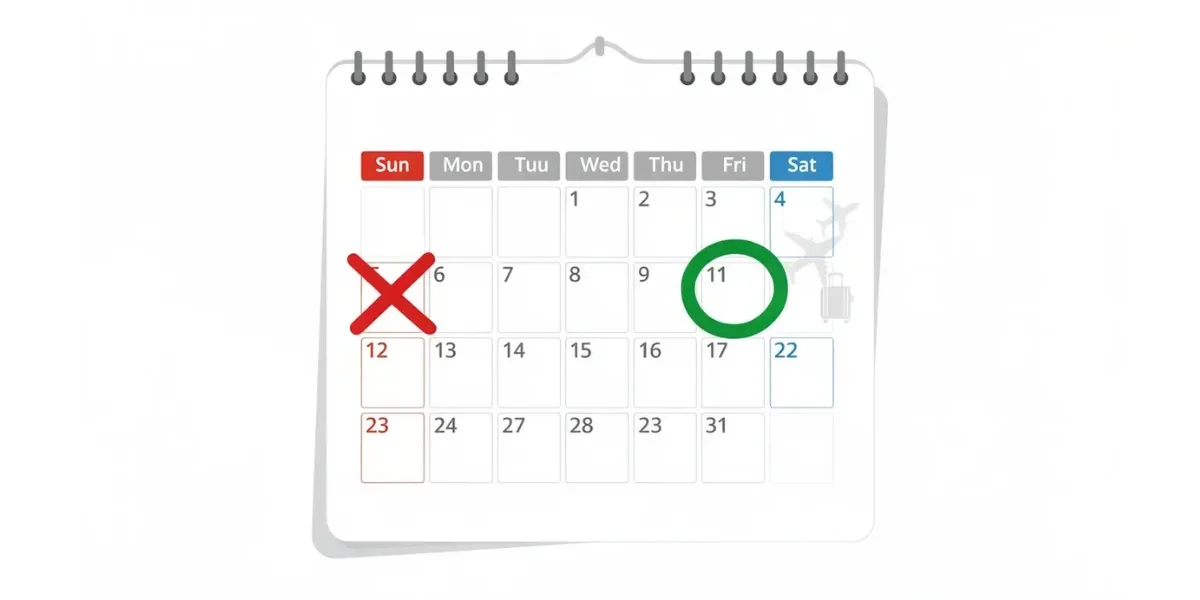
The timing of your application plays a more significant role than many realise. Applying at the last minute increases the likelihood of errors and leaves little room for corrections. On the other hand, applying too early without confirmed plans may lead to inconsistencies in your application.
Ideally, you should apply a few weeks before your intended travel date. This allows sufficient time for processing and ensures that all details in your application remain accurate and relevant.
How to Strengthen Your Vietnam Visa Application
A successful visa application is not about luck; it is about preparation. Every document you submit should support your intent and present you as a genuine traveller.
Start by carefully reviewing all requirements. Double-check your application form, ensure consistency across documents and provide a clear travel plan. Avoid unnecessary complications and focus on presenting a straightforward, honest application.
If you are unsure about any step, seeking guidance from experienced professionals can help you avoid costly mistakes.
A Smarter Approach to Travel Planning
Visa rejections can be disheartening, especially when you have already begun planning your journey. However, they also offer an opportunity to understand the process better and approach it more carefully the next time.
Most importantly, remember that a rejection is not the end of your travel plans. It is often a temporary setback caused by correctable errors. With the right approach, your chances of approval can improve significantly.
Before submitting your application, one crucial step that should never be overlooked is selecting the right visa category. Many rejections happen simply because applicants choose the wrong type. Taking a moment to understand the Vietnam visa types explained can help you align your application with your travel purpose and significantly improve your chances of approval.
Vietnam continues to be a dream destination for many Indian travellers, offering a perfect blend of culture, nature and adventure. The visa process, while straightforward, demands attention to detail and a thoughtful approach.
By understanding the common reasons behind visa rejections and taking proactive steps to avoid them, you can ensure that your travel plans move forward without unnecessary interruptions. After all, the journey to Vietnam should begin with excitement and anticipation not uncertainty.
With the right preparation, your Vietnamese adventure is closer than you think.
Explore Categories
Loading categories...



.png&w=256&q=70)