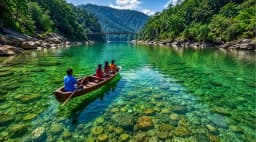
Hot springs are becoming a top wellness trend. Here’s why travellers are flocking to them—and 5 amazing hot springs that truly stand out.
On this page
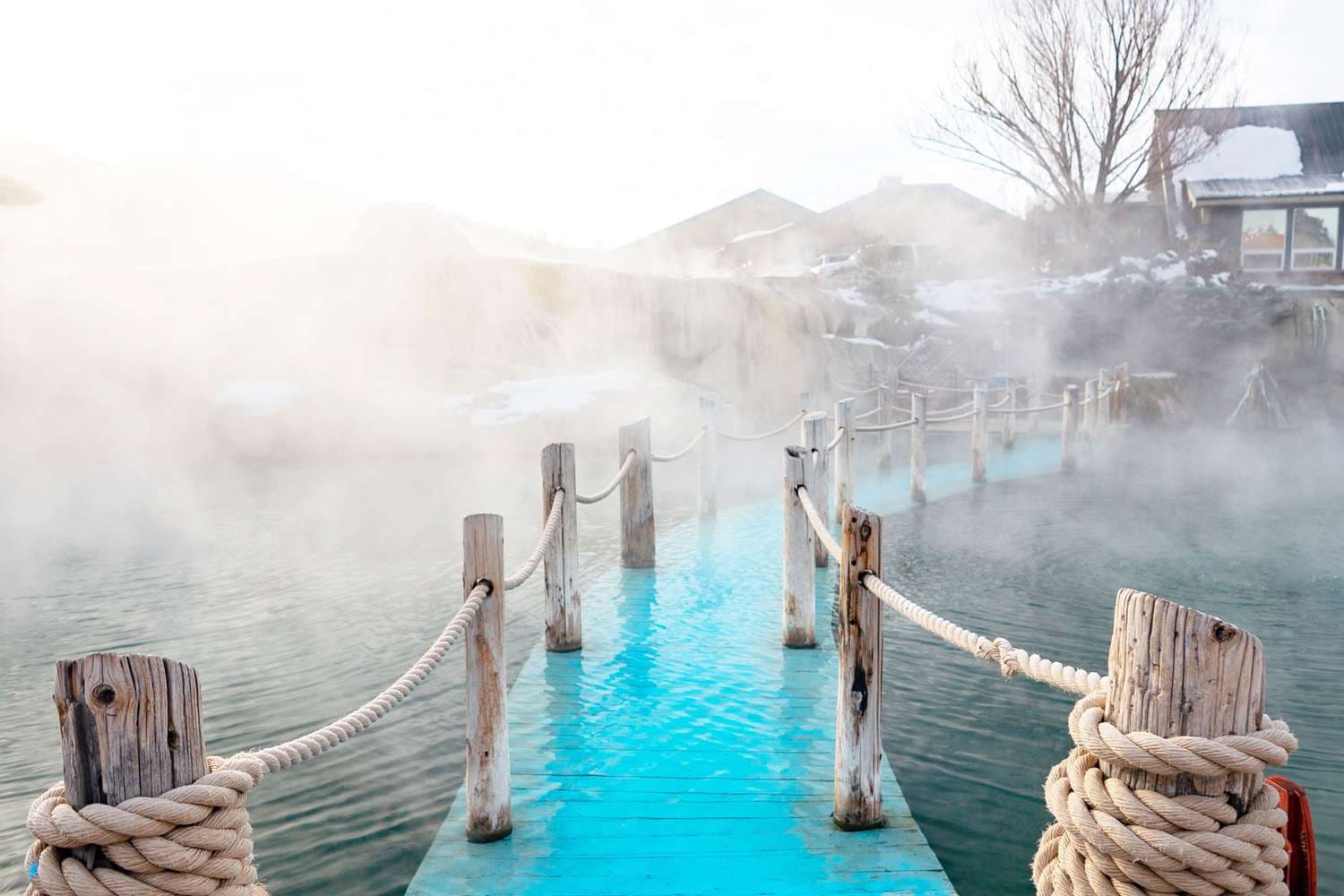
Steam rises, snow falls, and your body sinks into warm mineral water while the outside world feels far away. This scene now pulls more travellers than many fancy city breaks. Hot springs moved from a side activity to the main reason for a trip.
In many countries, pools that people once used only for local rituals have now become the center of wellness trips, couples getaways, and even solo breaks. The mix looks simple: hot water, rock, sky. Yet it hits health, mood, and culture at the same time.
Why hot springs became the new escape
Modern travel often feels rushed; long lists, many stops, and little rest. Hot pools offer the exact opposite. You sit still, feel heat in your muscles, and time slows.
Thermal water carries minerals like magnesium, calcium, and sulphur. Your joints feel softer, your skin calmer, and your sleep deeper after a long soak. While science still studies exact effects, most people agree on one thing: their stress drops fast.
Nature plays a big role, too. Many pools are located under peaks, near forests, or beside rivers. In Iceland, pale blue water lies between lava rocks. In Turkey, white stone terraces shine under a blue sky. You do not just sit in water; you sit inside a strong view.
Culture adds another layer. In Japan, onsen time follows rules and rituals. In parts of Europe, thermal baths link back to Roman days. In New Mexico, some pools are located on land that local groups consider sacred. A soak becomes a lesson in local life, not only a spa break.
Many travellers now seek slower trips. They skip long checklists and choose one calm base instead. A hot spring town gives that base. Walk, soak, eat, sleep, repeat without rush or pressure.
Why hot springs shine as winter destinations
Cold air makes warm water feel even better. That is why so many people now treat thermal pools as core winter destinations. You get snow, frost, and clear sky outside while your body stays held in heat.
You might float in the Blue Lagoon while flakes fall and moss-covered lava stretches away from you. In Japan, open-air baths beside rivers let you feel the icy air on your face as steam rises around you. In Budapest, outdoor pools at Szechenyi glow under cold night air while people play chess in the water.
For many, this contrast feels better than a beach break. You stay warm, yet you still sense the season. That is why more people now treat hot spring towns as full winter destinations, not only off-season stops.
If you now ask where to start, the list of the best hot springs in the world seems long. To narrow it down, here are five places that stand out for setting, water quality, and overall experience.
1. Blue Lagoon, Iceland
Blue Lagoon is located on Iceland’s Reykjanes Peninsula, close to the main airport. Geothermal seawater flows up from deep underground, rich in silica and other minerals. The water glows a soft, milky blue against black lava rock.
Large outdoor pools wrap around rocks and bridges. A spa hides below ground level. Many guests stay at The Retreat at Blue Lagoon, which offers private pools and direct access to the main lagoon.
Winter suits this spot. The air stays cold, but the water stays near bath temperature. With luck, you may even see the northern lights while you float.
2. Pamukkale Thermal Pools, Turkey
Pamukkale in western Turkey looks unreal from far away. White terraces step down a hill, filled with shallow blue pools. The rock forms from calcium-rich water that flows from at least 17 thermal sources.
People have lived here since ancient times. Old Greek and Roman ruins are situated close by, and some stories even link the pools to Cleopatra. Today, visitors still wade through the warm water, lean on the smooth stone, and watch the view over the plains.
Pamukkale works well as part of a wider Turkey trip, yet it also stands strong on its own. Spring and autumn feel mild, but cool winter days add extra steam and fewer crowds. That mix makes it one of the top hot springs in the world for people who like both history and wellness.
3. Kinosaki Onsen, Japan
Japan has thousands of onsen towns, yet Kinosaki on the Sea of Japan coast offers a clear, compact sample of the full culture. Seven public baths are present within a short walking distance of each other.
Guests often stay in ryokan inns, wear light yukata robes, and move from bath to bath through the town. Each house has its own style: some feature outdoor pools, some indoor wooden tubs, and some small gardens.
Winter suits Kinosaki very well. Snow sometimes lines the canal and bridges. Steam rises from pipes on the street. You move through the cold air from one hot pool to the next. That switch keeps you alert yet relaxed.
Many travellers consider it to be the best hot springs to visit in winter in Asia. It gives both deep local culture and simple, warm comfort.
4. Rotorua and Waikite Valley, New Zealand
New Zealand’s North Island sits on strong geothermal ground. Around the town of Rotorua, steam vents, mud pools, and mineral springs dot the land.
Kerosene Creek offers a natural feel. Warm water flows through a forest stream and drops over small falls into pools where people sit on rocks. Nearby, Waikite Valley Hot Pools use the same thermal source but send water into clean pools of different depths, plus private tubs you can reserve.
Southern summer (roughly November to March) brings mild air and clear skies. Yet cooler months also work well, as the region rarely freezes and the pools stay hot. If you want greenery, lakes, and easy access from a small city, this region rates among the best hot springs to visit in winter in the southern half of the world.
5. Szechenyi Thermal Bath, Budapest, Hungary
Central Europe treats bathing as a core part of city life. Budapest in Hungary may hold the strongest example. Szechenyi Thermal Bath is situated inside a grand yellow building in a city park. Natural hot water feeds indoor and outdoor pools of different sizes and temperatures.
Locals play chess on floating boards in the outdoor pool even on cold days. Tourists move between steam rooms, cool plunge pools, and saunas. The design and long history give the place a clear sense of place without feeling stiff.
Winter brings crisp air and early dark, which makes the outdoor pool steam look thicker under lights. For travellers who want both city sights and strong soaking, this counts as one of the best hot springs to visit in winter and a key stop among urban thermal baths.
How to choose your own soak
These five stand out, yet they only scratch the surface of the best hot springs in the world. Many more hot springs are located across Central Europe, the Americas, and Asia.
To pick the right one for you, first decide how deep you want to go into local customs. Japan and Hungary ask you to follow clear bath rules. Iceland and New Zealand feel more relaxed. Then think about the setting you prefer: lava fields, terraces, forests, or city.
Next, match the season. If you want true winter destinations, choose places with a strong contrast between air and water, like Iceland, Japan, or Central Europe. If you prefer soft seasons, Turkey in spring or New Zealand in their cooler months may suit you better.
Finally, set your pace. Some pools are located inside large resorts with full spa menus and fine dining. Others, like Kerosene Creek, stay simple and wild. Both styles work. The important part is that you give yourself time to sit, breathe, and let the heat do its work.
The next time you plan a break, skip one extra city and trade it for a few days in thermal water instead. Your body, your mind, and maybe even your next big idea will thank you for that choice.
Explore Categories
Loading categories...