

What does it feel like to live in the coldest city on Earth? Journey into Yakutsk, where temperatures plunge below -50°C and daily life becomes a story of resilience, culture and icy wonder.
On this page
There are cold places, and then there is Yakutsk. Tucked deep within eastern Siberia, this remote capital of the Sakha Republic is widely regarded as the coldest city in the world. Each winter, temperatures routinely plunge below minus 40 degrees Celsius, and in January it is not uncommon for thermometers to hover near minus 50. For travellers who chase extremes, Yakutsk is less a destination and more an experience in endurance, wonder and human resilience.
While the village of Oymyakon often claims the title of the coldest inhabited place on Earth, Yakutsk stands apart as the coldest major city, with a population of over 300,000 people who have mastered the art of survival in permafrost conditions. Life here is not merely about braving the cold; it is about adapting architecture, transport, culture and daily routines to temperatures that most of the world can scarcely imagine.
Understanding the Cold: What Makes Yakutsk So Extreme

Yakutsk’s climate is shaped by its extreme continental position. Far from moderating oceanic influences, the city endures long, harsh winters and short yet surprisingly warm summers. From October to April, the ground remains locked in permafrost. Buildings are constructed on stilts to prevent indoor heat from melting the frozen soil beneath, a design necessity rather than an aesthetic choice.
Step outside in January and you will feel the air crystallise in your lungs. Eyelashes freeze within minutes. Breath turns instantly to mist. Car engines are often left running to prevent them from seizing up. Yet amid these frozen streets, daily life carries on. Schools remain open, markets trade briskly and residents navigate the icy pavements with quiet efficiency.
Travellers arriving here quickly learn that preparation is everything. Thick fur-lined coats, insulated boots, layered thermal clothing and face protection are not luxuries but essentials. Even camera equipment requires careful handling, as batteries drain rapidly in sub-zero conditions.
Culture and Warmth Beneath the Ice
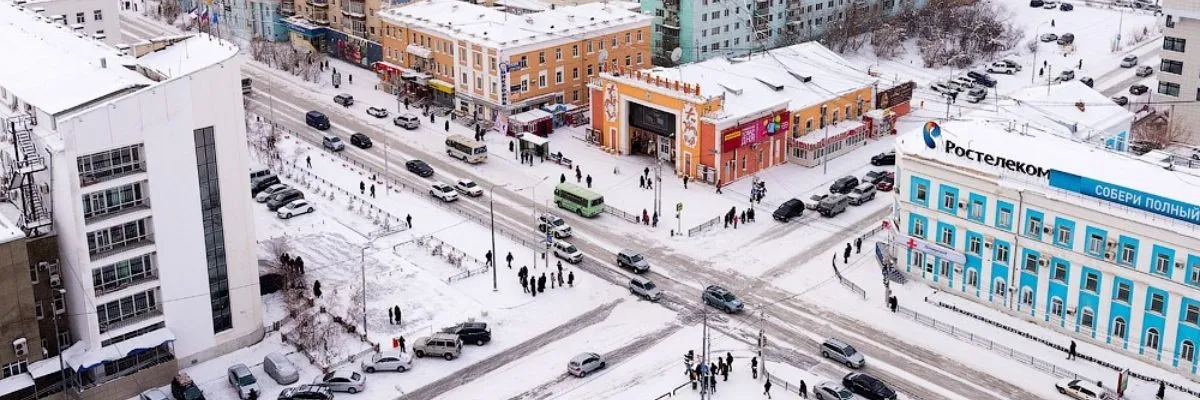
Despite its frigid reputation, Yakutsk radiates cultural warmth. The region is home to the Sakha people, whose traditions, language and festivals remain deeply rooted in local identity. Winter is not merely endured; it is celebrated. Ice sculptures transform public squares into glittering galleries, and festivals embrace the season’s stark beauty.
The Mammoth Museum offers insight into prehistoric life preserved in permafrost, with remarkably intact specimens discovered in the surrounding tundra. Visitors fascinated by natural history will find this both eerie and captivating. Meanwhile, local theatres and cultural centres provide refuge from the cold, offering performances that reflect centuries-old folklore blended with modern Russian influences.
Cuisine, too, tells a story of adaptation. Traditional dishes often feature frozen fish sliced thin and served raw, a delicacy born of necessity and climate. Warm broths and hearty meat dishes provide essential sustenance against the cold. Dining here is not simply about taste but about survival and tradition intertwined.
When to Visit and What to Expect
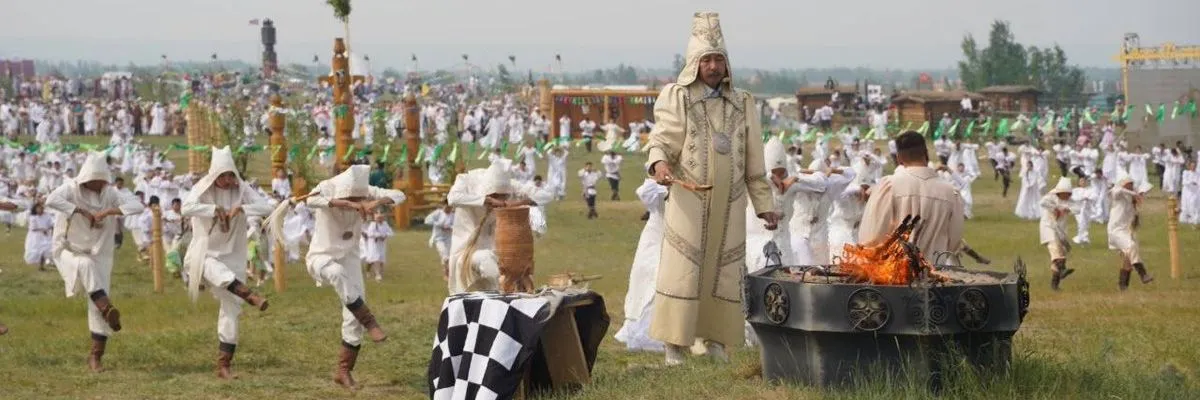
The best time to visit depends entirely on what you seek. Winter, from December to February, delivers the full spectacle of Yakutsk’s extreme climate. This is when travellers witness the city at its most authentic and dramatic. The frozen Lena River becomes a vast white highway, and the sky often glows with pale Arctic light.
For those less inclined towards minus 50 degrees, summer presents a different face. Between June and August, temperatures can rise above 20 degrees Celsius. The contrast is astonishing. Snow vanishes, greenery emerges and the city feels almost gentle. However, the thaw brings muddy roads and swarms of mosquitoes, another reminder of nature’s dominance in this region.
Accessibility remains part of the adventure. Flights connect Yakutsk to major Russian hubs, yet weather conditions can occasionally disrupt schedules. Travellers must build flexibility into their itineraries, particularly during deep winter.
Practical Travel Considerations
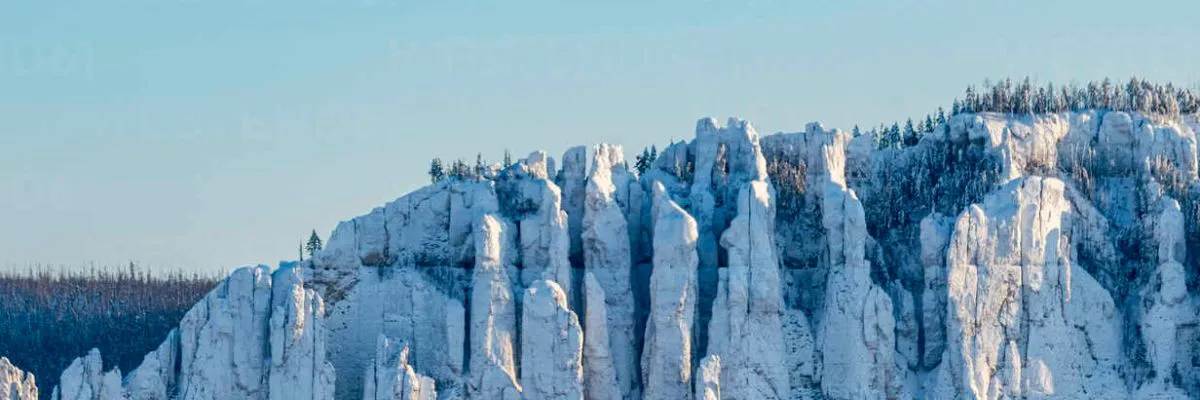
A journey to Yakutsk requires careful planning, particularly regarding visas and documentation. International visitors must ensure their paperwork is in order well before departure. Travel insurance that explicitly covers extreme cold conditions is strongly advisable, as frostbite and weather-related disruptions are genuine risks.
Accommodation ranges from modest guesthouses to comfortable hotels equipped to withstand severe winter. Heating systems are robust and reliable, offering welcome relief after hours spent exploring frozen streets. Transport within the city is straightforward, though walking outdoors for extended periods requires caution.
Health considerations should not be underestimated. Skin protection is vital, as exposed areas can suffer frostbite within minutes during peak winter. Hydration is equally important, even if the cold masks feelings of thirst. Electronics, passports and essential documents should be kept insulated and close to the body to prevent damage.
Why Yakutsk Captivates the World
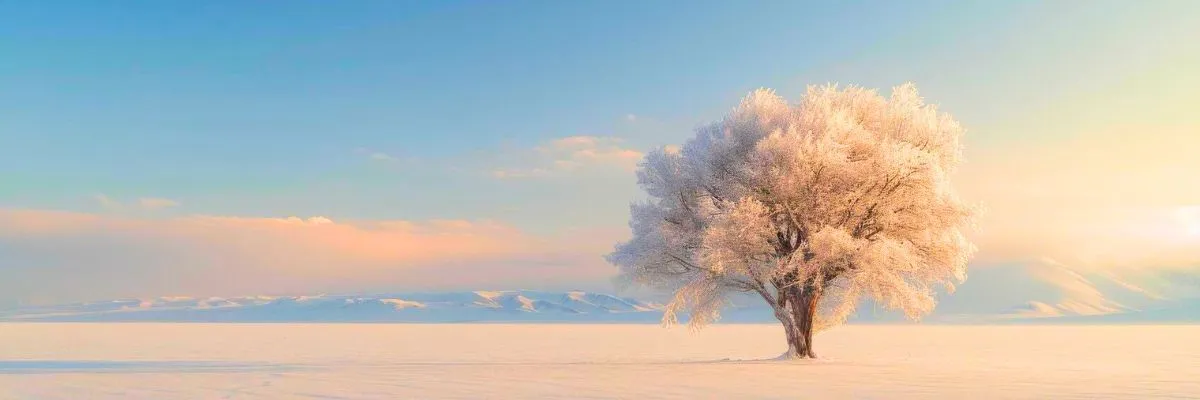
There is something profoundly humbling about standing in the coldest city on Earth. The silence of snow-covered avenues, the crunch beneath insulated boots and the shimmering frost on every surface create an atmosphere unlike anywhere else. It is not simply about cold temperatures; it is about witnessing how humanity adapts, survives and even thrives under extraordinary conditions.
Yakutsk challenges conventional ideas of comfort and convenience. It invites travellers to step beyond temperate expectations and embrace raw nature. In doing so, it offers stories that few destinations can rival. Conversations with residents reveal pride rather than complaint. For them, the cold is not an obstacle but an identity.
For adventurous spirits seeking destinations that defy the ordinary, Yakutsk stands as a compelling choice. It is remote, yes. It is extreme, certainly. Yet it is also deeply human, culturally rich and unexpectedly welcoming. The journey here is not just geographical; it is emotional and philosophical.
In a world increasingly connected and predictable, Yakutsk remains defiantly unique. Its frozen landscapes remind us that Earth still holds frontiers where resilience shapes daily life. To visit is to witness a rare balance between nature’s severity and human ingenuity.
Those who return from Yakutsk often speak less about the cold and more about the clarity it brings. In minus 50 degrees, distractions fade. What remains is stark beauty, community warmth and a profound respect for survival. And perhaps that is why this icy capital continues to fascinate travellers from across the globe.
Explore Categories
Loading categories...




.png&w=256&q=70)