

Planning a Spiti bike trip? Before you hit the rugged Himalayan roads, make sure you’re fully prepared. This guide covers the essential safety tips, riding gear, bike tools, and packing checklist you need for a safe and successful adventure through Spiti Valley’s high-altitude terrain.
On this page
A Spiti bike trip is one of the most thrilling adventures you can experience in India. Riding through rugged mountains, high-altitude passes, dramatic valleys, and remote Himalayan villages creates memories that last a lifetime. However, the beauty of Spiti Valley also comes with serious challenges: extreme weather, high altitude, rough roads, and long stretches without facilities.
That’s why having the right safety plan and proper gear checklist is absolutely essential before you start your journey. Whether you are a solo rider or part of a riding group, preparation can make the difference between an unforgettable adventure and a difficult experience.
In this detailed guide, we will cover everything you need to know about safety measures and gear for a Spiti bike trip, helping you ride confidently through one of the most beautiful yet demanding regions in the Himalayas.
Why Safety Matters on a Spiti Bike Trip
Unlike many tourist destinations, Spiti Valley is remote and isolated. The terrain is unpredictable, roads can be rough, and medical facilities are limited. Weather conditions can change quickly, especially at higher altitudes.
Here are a few reasons why safety should always be your top priority during a Spiti bike trip:
High altitude (above 4000 meters in some areas)
Landslide-prone roads
Extreme temperature fluctuations
Limited fuel stations
Remote villages with minimal medical support
Proper planning, safety gear, and awareness can help you enjoy the journey without unnecessary risks.
Best Time for a Safe Spiti Bike Trip
Choosing the right time for your ride significantly improves safety.
Ideal Months
The best months for a Spiti bike trip are:
May to June – Roads start opening and weather is pleasant.
July to September – Most routes are accessible.
October – Clear skies but colder weather.
Months to Avoid
November to April – Heavy snowfall blocks roads.
Extreme cold can make riding dangerous.
Planning your ride during the right season ensures better road conditions and safer travel.
Choosing the right season is crucial for road safety and weather conditions.
Check the detailed guide on the best time to visit Spiti Valley
Choosing the Right Bike for Spiti Valley
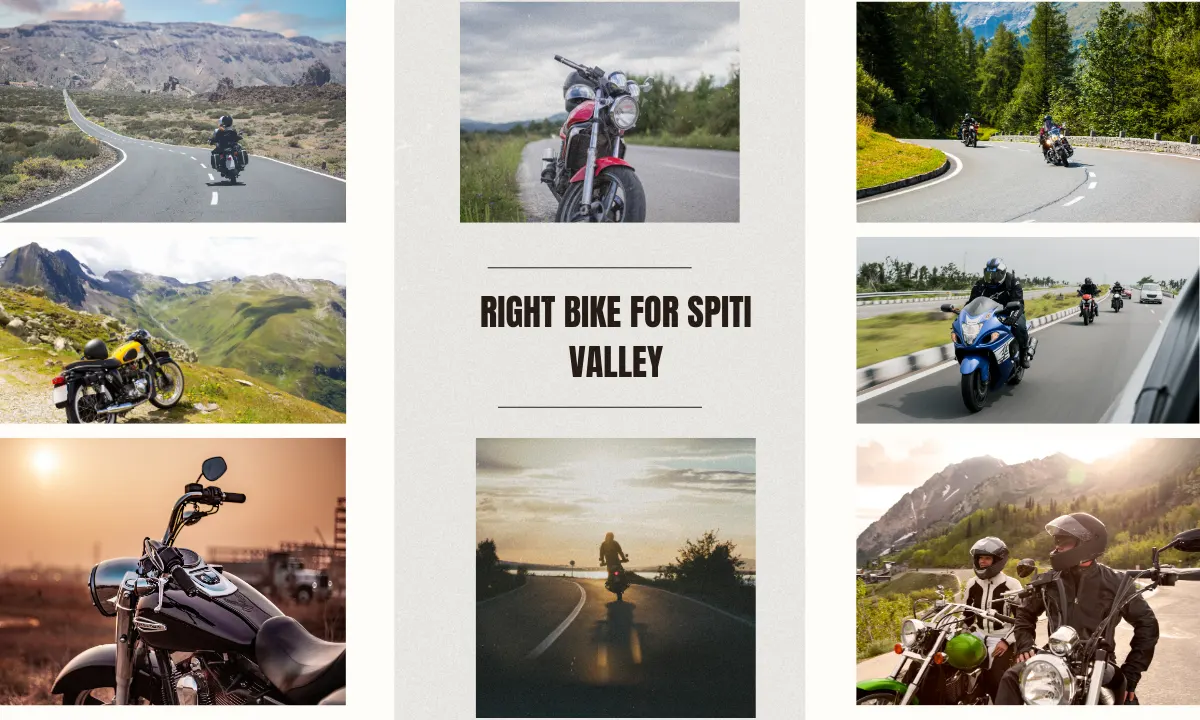
Your motorcycle plays a crucial role in the success of your trip. Spiti roads demand power, durability, and stability.
Best Bikes for Spiti Trip
Popular bikes used by riders include:
Royal Enfield Himalayan
Royal Enfield Classic 350
KTM Adventure 390
Hero XPulse 200
Bike Preparation Checklist
Before starting your journey, make sure your bike is properly serviced:
Engine oil checked
Brake pads in good condition
Chain lubrication
Tyres with proper tread
Spare clutch cable
Spare tubes
A well maintained bike reduces breakdown risk in remote mountain roads.
Essential Riding Gear for a Spiti Bike Trip
Riding in the mountains without proper gear is risky. Good riding gear protects you from cold, accidents, and fatigue.
Helmet
A DOT or ISI-certified full-face helmet is mandatory. It protects your head from accidents and shields you from strong winds and dust.
Riding Jacket
A quality armoured riding jacket provides protection from impact and keeps you warm.
Look for jackets with:
Shoulder armor
Elbow armor
Back protection
Thermal liner
Riding Gloves
Cold winds and rough terrain make gloves essential.
Choose gloves that offer:
Knuckle protection
Grip control
Waterproof material
Riding Pants
Regular jeans are not ideal. Riding pants with knee guards provide better protection.
Riding Boots
High quality riding boots offer:
Ankle protection
Strong grip
Waterproof protection
Good boots are extremely important on muddy and rocky roads.
Clothing Checklist for Cold Weather
Spiti Valley temperatures can drop drastically, even in summer. Layering is the best strategy.
Essential Clothing
Thermal innerwear
Fleece jackets
Down jacket
Windproof outer layer
Woolen socks
Balaclava or neck warmer
Warm gloves
Layering helps you adjust to changing temperatures during the ride.
Must Have Safety Equipment
Besides riding gear, some safety tools can help during emergencies.
First Aid Kit
Your medical kit should include:
Pain relief tablets
Bandages
Antiseptic cream
ORS packets
Diamox (for altitude sickness, consult doctor first)
Portable Oxygen Can
At high altitudes, oxygen levels drop significantly. Carrying a portable oxygen cylinder can be helpful if someone experiences breathing issues.
Flashlight or Headlamp
Essential for night stops or mechanical fixes in dark areas.
Multi-tool Kit
Useful for quick repairs on the road.
Bike Repair Kit for Remote Areas
Breakdowns can happen anywhere, and mechanics may not be available in remote regions.
Carry a basic bike repair kit including:
Puncture repair kit
Portable air pump
Extra spark plug
Clutch cable
Throttle cable
Zip ties
Chain lube
These tools can save you hours of waiting in remote areas.
Navigation and Communication Tools
Mobile network coverage is limited in many parts of Spiti Valley.
Offline Maps
Download maps from Google Maps or other navigation apps before starting your trip.
GPS Device
If possible, carry a GPS device for better navigation.
Walkie-Talkies
For group riders, walkie-talkies are extremely helpful when mobile signals disappear.
Health and Altitude Safety Tips
Altitude sickness is one of the biggest concerns during a Spiti bike trip.
Symptoms of Altitude Sickness
Headache
Nausea
Shortness of breath
Fatigue
Dizziness
Prevention Tips
Stay hydrated
Avoid alcohol
Ascend slowly
Take proper rest
Eat light meals
If symptoms worsen, descend to lower altitude immediately.
Food and Hydration Essentials
During long rides, food options may not always be available.
Carry:
Energy bars
Dry fruits
Instant noodles
Electrolyte drinks
Water bottles or hydration packs
Proper hydration helps your body adapt to high altitude conditions.
Emergency Planning for Spiti Bike Riders
Even experienced riders must prepare for emergencies.
Important Safety Steps
Share your itinerary with family
Ride in groups when possible
Start early in the morning
Avoid riding after dark
Keep extra fuel if required
Having a backup plan ensures you stay safe in unexpected situations.
If you want a well structured plan for your journey
follow this detailed Spiti Valley itinerary for a perfect trip
Road Safety Tips for Riding in Spiti
Mountain roads require careful riding techniques.
Smart Riding Tips
Maintain moderate speed
Use engine braking on descents
Avoid overtaking on blind curves
Watch for landslide zones
Ride cautiously on water crossings
Patience and alertness are key to safe mountain riding.
Documents You Must Carry
Before leaving for your Spiti trip, keep these documents ready.
Required Documents
Driving license
Bike registration certificate
Insurance papers
Pollution certificate
Personal ID
Also carry digital copies on your phone for safety.
Final Packing Checklist for Spiti Bike Trip
Here’s a quick summary checklist before you start your adventure.
Riding Gear
Full-face helmet
Riding jacket
Riding gloves
Riding pants
Riding boots
Clothing
Thermal wear
Fleece jacket
Down jacket
Wool socks
Neck warmer
Safety Gear
First aid kit
Oxygen cylinder
Flashlight
Multi-tool
Bike Essentials
Puncture repair kit
Air pump
Spare cables
Chain lubricant
Other Essentials
Offline maps
Energy snacks
Water bottles
Personal documents
Conclusion
A Spiti bike trip is not just a ride, it’s an unforgettable Himalayan adventure. The dramatic landscapes, ancient monasteries, and peaceful mountain villages create an experience that every biker dreams of.
However, the remote terrain and high altitude demand proper preparation, the right riding gear, and a strong focus on safety. From choosing the right bike and protective equipment to carrying essential repair tools and medical supplies, every small step contributes to a safer and more enjoyable journey.
If you follow this complete safety and gear checklist, you will be fully prepared to tackle the rugged roads of Spiti Valley with confidence. With the right planning and responsible riding, your Spiti bike trip can become one of the most thrilling and memorable journeys of your life.
So gear up, plan smartly, ride safely, and get ready to experience the breathtaking beauty of Spiti Valley on two wheels.
Explore Categories
Loading categories...



.png&w=256&q=70)