

Discover the timeless charm of Hawa Mahal Jaipur, where history, architecture, and travel experiences come together in the heart of Rajasthan.
On this page
There are few sights in India as instantly recognisable as the intricate façade of Hawa Mahal. Standing gracefully in the heart of Jaipur, this architectural marvel becomes even more meaningful when explored alongside a complete Jaipur travel experience, as detailed in this exploring Jaipur travel guide.. As the morning sun begins to rise, its pink sandstone exterior glows softly, drawing travellers into a world where history and elegance exist in perfect harmony.
The charm of Hawa Mahal lies not just in its appearance, but in the experience it offers. It is a place where every window, every carved detail, and every passing breeze carries a story from centuries ago.
The Fascinating History Behind Hawa Mahal
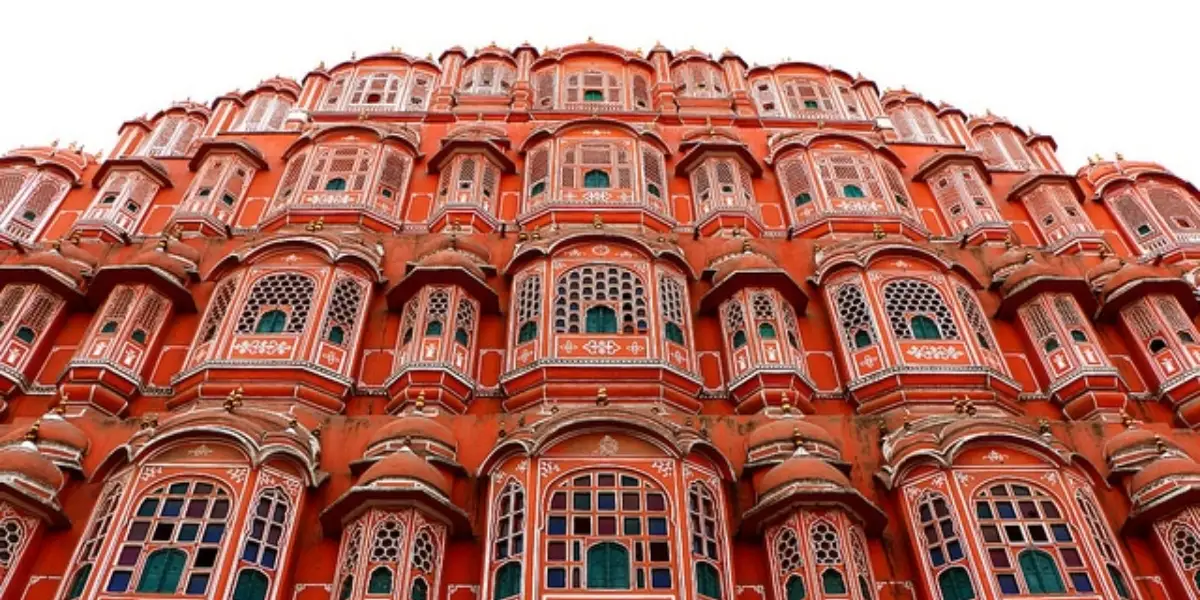
Built in 1799 by Maharaja Sawai Pratap Singh, Hawa Mahal was designed as an extension of the royal City Palace. The ruler, known for his devotion to Lord Krishna, envisioned a structure that resembled the deity’s crown. The result was a five-storey façade that would go on to become one of Rajasthan’s most iconic landmarks.
The palace served a unique purpose. During that time, royal women followed strict purdah customs and were not allowed to appear in public. The numerous small windows, known as jharokhas, allowed them to observe street festivals and daily life without being seen. This thoughtful design turned Hawa Mahal into a bridge between the private and public worlds of the royal household.
Architectural Brilliance That Stands the Test of Time
What makes Hawa Mahal truly remarkable is its ingenious design. Despite appearing grand from the outside, the palace is surprisingly narrow and does not have the typical palace layout of large halls and courtyards. Instead, it features a network of ramps and small chambers that lead visitors upwards.
The structure includes 953 intricately designed windows, each contributing to its unique ventilation system. The constant flow of air through these openings creates a cooling effect, making the palace comfortable even during Jaipur’s scorching summers. This natural climate control is the very reason it earned the name ‘Palace of Winds’.
The blend of Rajput and Mughal architectural styles is evident in its curved arches, floral patterns, and latticework. It is not just a building; it is a lesson in how design can be both functional and beautiful.
Interesting Facts That Make Hawa Mahal Unique
Hawa Mahal is often mistaken for a palace where royals lived, but it was primarily a viewing gallery. Another fascinating detail is that the structure is built without a conventional foundation, yet it has stood strong for over two centuries.
Its pyramid-like shape allows it to remain stable, while its lightweight construction ensures durability. The palace also appears taller from the outside than it feels from within, creating a sense of illusion that adds to its mystique.
The windows are designed in such a way that even a gentle breeze passing through creates a cooling effect, a feature that feels surprisingly modern in today’s context of sustainable architecture.
The Experience of Exploring Hawa Mahal
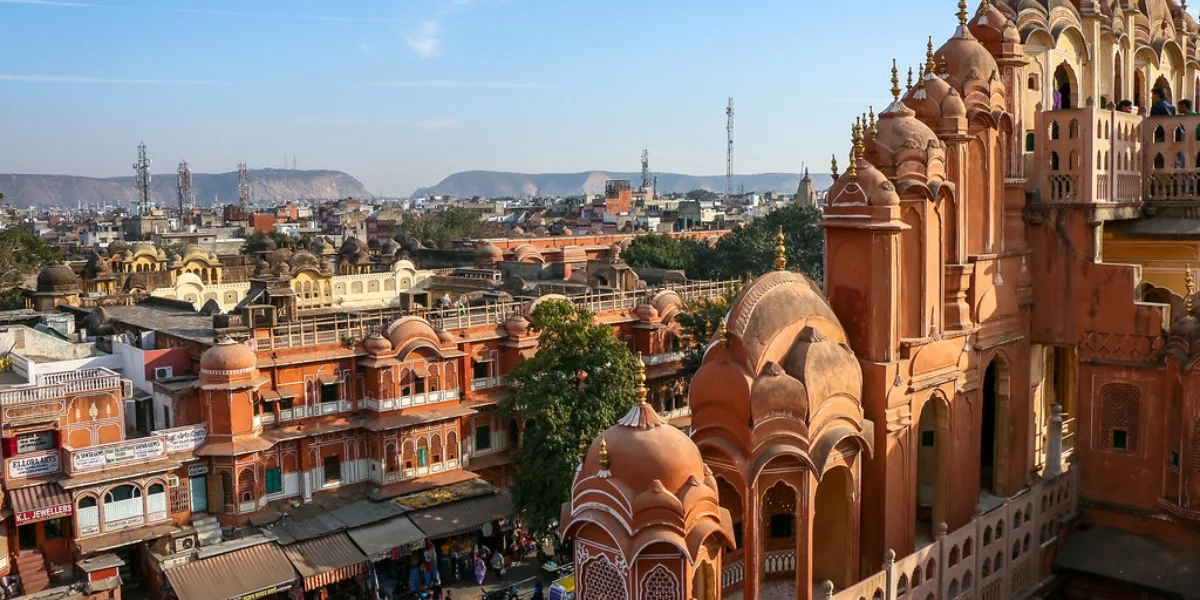
Stepping inside Hawa Mahal is like entering a quieter, more introspective world. The bustling streets fade into the background as you begin to explore its narrow pathways and ascending ramps. Each level offers a slightly different perspective, both of the palace itself and of the city beyond.
As you reach the upper floors, the views become increasingly captivating. The city stretches out in all directions, with its vibrant markets, historic buildings, and distant hills forming a picturesque landscape. Nearby attractions such as the City Palace and Jantar Mantar are clearly visible, adding depth to the experience.
Best Time to Visit Hawa Mahal
Timing plays an important role in shaping your visit. Early mornings are widely considered the best time to explore Hawa Mahal. The soft sunlight enhances the beauty of the façade, making it ideal for photography and quiet exploration.
The cooler hours also make it more comfortable to walk through the palace and climb to the upper levels. Visiting during peak afternoon hours can be less enjoyable due to crowds and heat, especially during the summer months.
Travel Tips for a Smooth Visit
Planning your visit thoughtfully can make a significant difference. Since Hawa Mahal is located in Jaipur’s old city, it is easily accessible by local transport. However, the surrounding area can get quite busy, so arriving early is always a good idea.
Comfortable footwear is recommended, as exploring the palace involves walking through ramps and narrow passages. Carrying water and wearing light clothing can also help, particularly during warmer seasons.
Combining your visit with nearby attractions allows you to make the most of your time. The proximity of historic sites and local markets means you can experience multiple aspects of Jaipur in a single day.
Exploring Markets Around Hawa Mahal
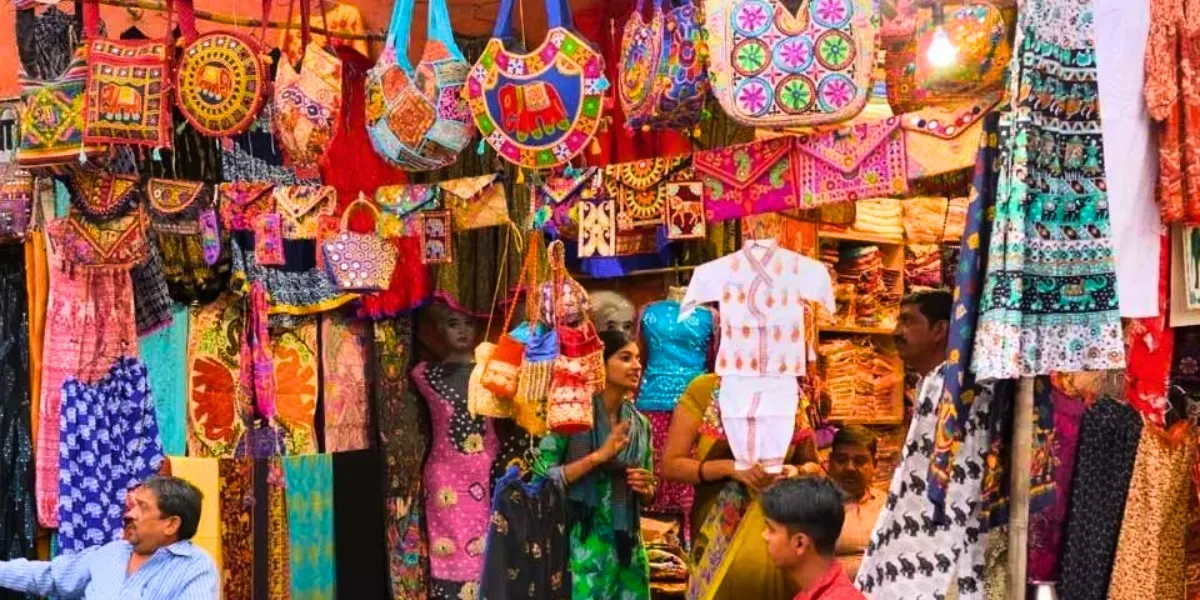
One of the most delightful aspects of visiting Hawa Mahal is its location amidst some of Jaipur’s most vibrant markets. Just outside the palace, you will find bustling bazaars filled with traditional jewellery, textiles, handicrafts, and souvenirs.
These markets are not just places to shop; they are an extension of Jaipur’s cultural identity. Walking through them offers a glimpse into the craftsmanship and traditions that have been preserved for generations.
A Taste of Local Flavours
No visit to Jaipur is complete without indulging in its culinary offerings. The area around Hawa Mahal is dotted with eateries serving authentic Rajasthani dishes. From rich curries to sweet delicacies, the flavours reflect the region’s heritage and hospitality.
Taking a break to enjoy local food adds a sensory dimension to your journey, making it even more memorable.
Why Hawa Mahal Remains Timeless
Hawa Mahal is more than just a historical monument; it is a symbol of Jaipur’s identity. Its design reflects a deep understanding of climate, culture, and aesthetics, making it relevant even in today’s world.
For travellers, it offers a rare opportunity to connect with history in a way that feels personal and immersive. It invites you to slow down, observe, and appreciate the finer details that often go unnoticed.
As the day comes to an end and the city begins to light up, the silhouette of Hawa Mahal takes on a different kind of beauty. It stands quietly, holding within its walls the stories of a bygone era, yet continuing to inspire all who visit.
Explore Categories
Loading categories...



.png&w=256&q=70)