

Planning a trip to Chopta and Tungnath? This detailed guide covers the best months to visit, weather conditions, snowfall, trekking routes and insider tips for every season.
On this page
Nestled in the Garhwal Himalayas, Chopta is a hidden gem in Uttarakhand, often referred to as the “Mini Switzerland of India.” Known for its lush green meadows, dense forests and panoramic mountain views, it attracts adventurers, nature lovers and spiritual travellers alike. The journey from Chopta leads to Tungnath, the highest Shiva temple in the world, perched at an elevation of 3,680 metres. Together, these destinations offer a unique blend of adventure, nature and spirituality that few places in India can match.
Walking through Chopta feels like stepping into a painting. The soft rustle of pine trees, the distant call of Himalayan birds and the backdrop of towering snow-capped peaks create an atmosphere of serenity. Every step on the trekking path, every glimpse of the meadows and every view of Tungnath’s ancient architecture tells a story of the Himalayas’ majesty.
Spring (March - May): Blossoms and Gentle Weather
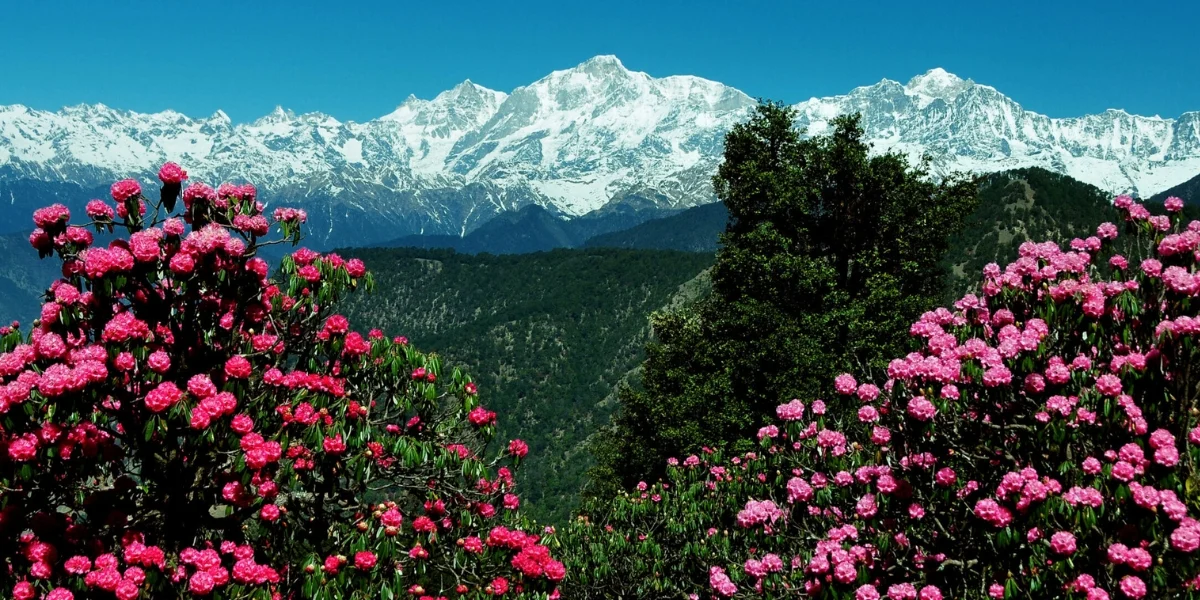
Spring is a magical season in Chopta. Snow begins to melt on the lower trails, revealing lush greenery and colourful rhododendron blooms. Temperatures ranging from 15°C to 25°C make trekking to Tungnath comfortable for beginners and experienced hikers alike. The early morning mist over the meadows gives the landscape a dreamlike quality, while the sunrise paints the Himalayan peaks in golden hues. Every step along the trail brings new sights wildflowers carpeting the slopes, streams bubbling gently and the distant call of Himalayan birds breaking the silence. Photographers and nature lovers alike find spring particularly rewarding, as each moment offers a fresh and vibrant perspective.
This season also brings life back to the forests and meadows. Migratory birds return and small mammals emerge from winter hiding, adding movement and charm to the serene surroundings. Camping in Chopta during spring is an unforgettable experience, with starry nights, crisp mountain air and evenings by the campfire offering both adventure and tranquillity. Visiting Tungnath at this time combines the spiritual aura of the temple with the breathtaking beauty of nature, making spring the perfect season to experience Chopta’s meadows, Himalayan panoramas and the harmony of adventure and serenity.
Summer (April - June): Clear Skies and Trekking Perfection
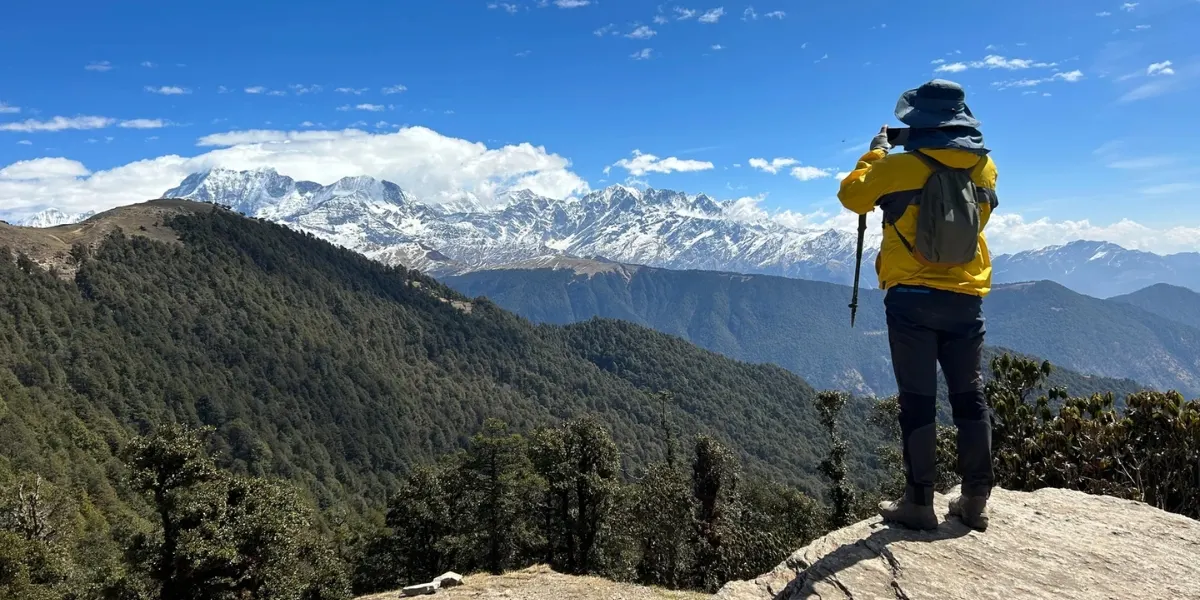
As summer settles in, Chopta’s meadows transform into vibrant green expanses. The weather is cool and comfortable, making it ideal for trekking, camping and outdoor photography. The trek to Tungnath is fully accessible during these months, allowing visitors to combine adventure with spiritual exploration. The meadows are dotted with wildflowers and the surrounding pine forests release a fresh, earthy scent, making every step along the trail refreshing and invigorating. Wildlife becomes more active and travellers often spot Himalayan monals, langurs and other small mammals along the route. Summer also brings longer daylight hours, giving trekkers ample time to explore and soak in the panoramic views of peaks like Nanda Devi, Trishul and Chaukhamba.
Evenings in summer are perfect for star-gazing. The crisp mountain air and clear skies make the stars shine brighter than anywhere in the plains. Camping in chopta chandrashila trek during this season is a magical experience, with the soft hum of the forest creating a peaceful soundtrack for the night. Early mornings offer breathtaking sunrises over the Himalayan ranges, ideal for photography and quiet reflection. For those seeking a blend of adventure and relaxation, summer in Chopta also allows short side treks to nearby spots like Deoria Tal, adding variety to the itinerary. The season perfectly balances comfort, accessibility and natural beauty, making it the ideal time for families, solo travellers and nature enthusiasts alike.
Monsoon (July - September): Lush Green Beauty with Challenges
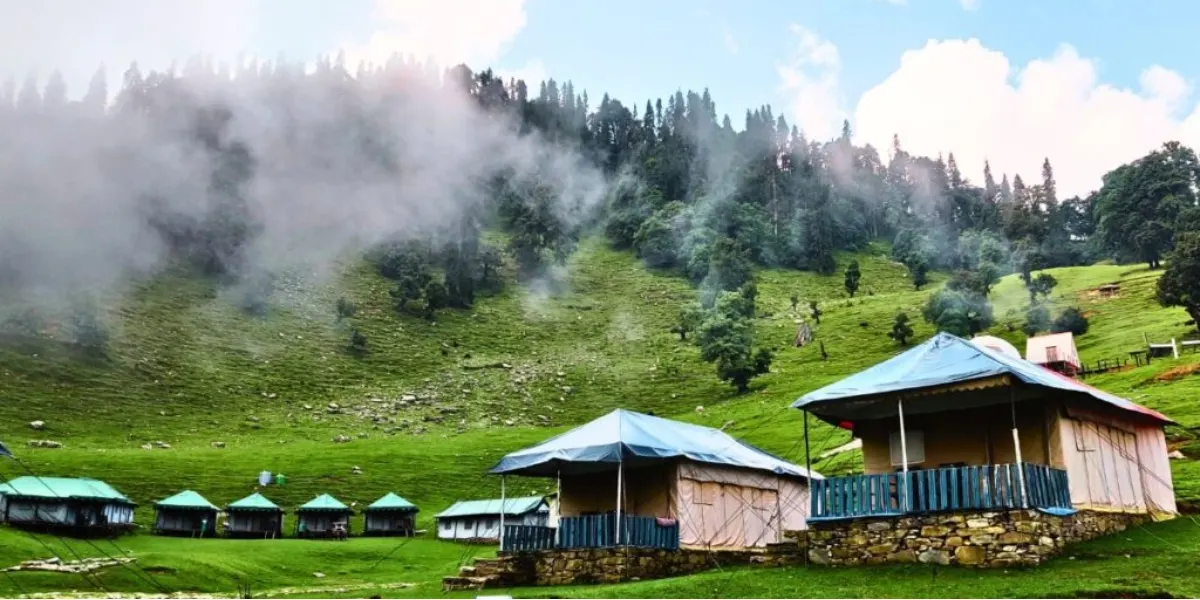
Monsoon brings Chopta to life with vibrant greenery, filled rivers and misty mountains. The air is fresh with the scent of rain-soaked pine and wildflowers, while waterfalls along the trails gush with renewed vigor, creating a mesmerizing soundtrack for trekkers. The scenery is captivating, with clouds swirling around the Himalayan peaks and meadows glistening with droplets of rain. However, trekking during this season can be challenging, as trails may become slippery, streams swell and occasional landslides pose risks. Despite these challenges, the monsoon transforms Chopta into a mystical paradise, where every turn of the trail reveals lush landscapes and hidden gems that are otherwise less prominent during other seasons.
For adventurous travellers who enjoy solitude and mist-filled landscapes, the monsoon season is highly appealing. Careful planning is essential, including rainproof clothing, sturdy trekking shoes and flexible itineraries to accommodate weather changes. Photographers and nature enthusiasts will find the monsoon ideal for capturing Chopta’s ethereal beauty fog-draped forests, glistening meadows and rain-kissed Himalayan peaks create a dramatic and cinematic atmosphere. Camping can be a magical experience, as the sound of raindrops on tents and the soft murmur of nearby streams offer a sense of calm and connection with nature. Though monsoon requires caution, it rewards travellers with a unique, serene and enchanting Himalayan experience.
Autumn (October - November): Clear Skies and Panoramic Views
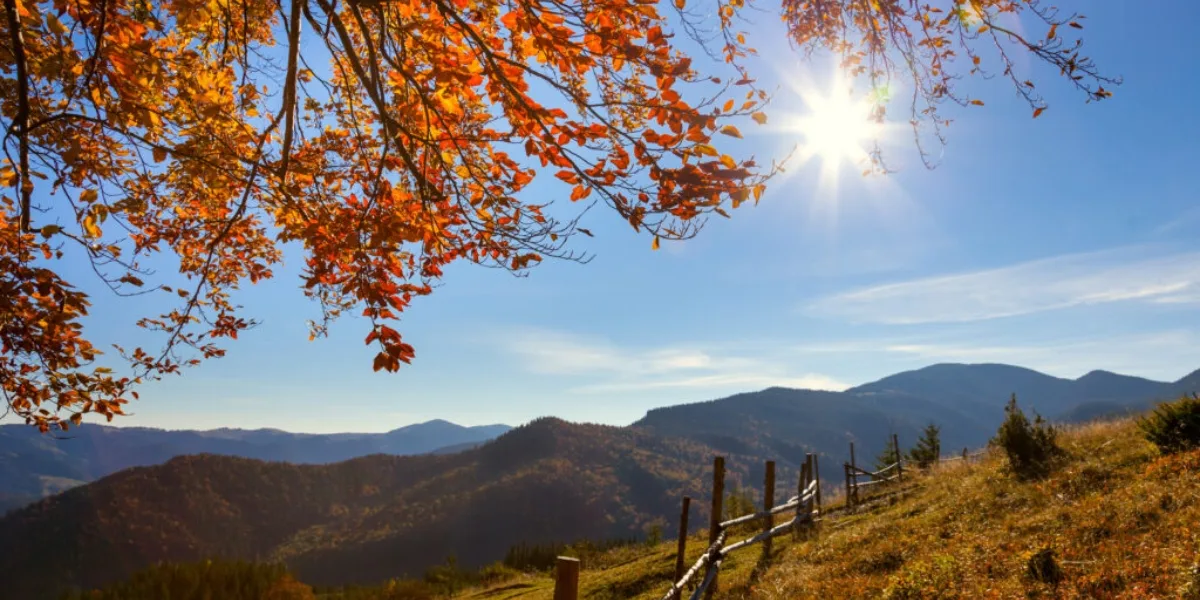
Autumn is considered one of the best seasons to visit Chopta. With the monsoon rains long gone, the skies are crystal clear, revealing breathtaking views of Himalayan peaks such as Nanda Devi, Trishul and Chaukhamba. Temperatures remain mild, ranging between 10°C to 20°C, making trekking comfortable without the extremes of heat or cold. The meadows turn a golden-green hue under the autumn sunlight and the crisp mountain air carries the subtle scent of pine and wildflowers. Wildlife is active, with Himalayan monals and other birds adding life to the serene landscape. This season also makes for an ideal time to explore Chopta’s surroundings, including nearby lakes and forest trails, with less crowd and more peace.
Autumn is particularly perfect for sunrise watchers and photographers. The short trek from Tungnath to Chandrashila summit rewards visitors with panoramic views of snow-capped Himalayan giants and valleys glowing in early morning light. The trails are dry and safe, offering a comfortable experience for families, solo travellers and trekking enthusiasts alike. Evenings bring golden sunsets over the peaks, creating unforgettable vistas and tranquil moments for reflection. Autumn combines clear skies, moderate weather and unmatched Himalayan beauty, making it the ultimate season for those seeking both adventure and serenity in Chopta and Tungnath.
Winter (December – February): Snow-Capped Magic
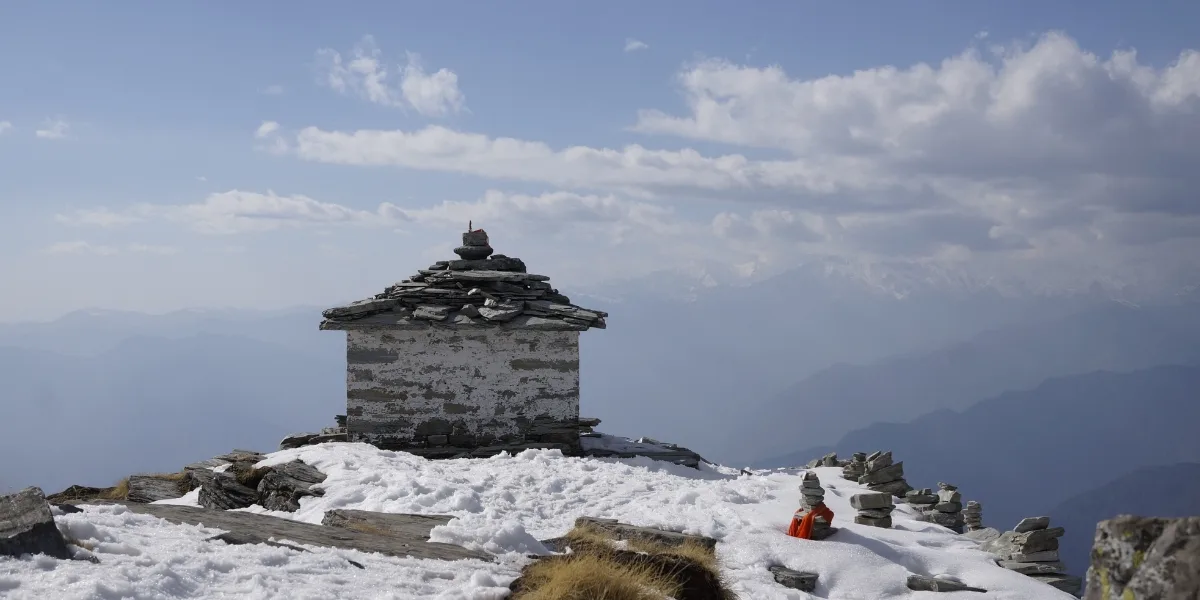
Winter turns Chopta into a breathtaking wonderland. Snow blankets the meadows, pine forests and even the Tungnath temple, transforming the landscape into a pristine, sparkling paradise. The crisp mountain air, the soft crunch of snow underfoot and the stillness of the surroundings create an almost surreal experience. Frozen waterfalls glisten in the sunlight and every ridge and peak stands out in sharp contrast against the clear winter sky. While trekking is more challenging during this season, the views and serene atmosphere make it an unforgettable adventure, offering a sense of solitude and connection with the Himalayas that is hard to find during busier months.
Temperatures often drop below zero and some higher-altitude routes may be inaccessible due to heavy snowfall. Travellers must carry layered warm clothing, insulated boots, gloves and trekking poles to navigate safely. Winter trekking appeals to adventure seekers and snow enthusiasts, offering activities like snowshoeing, photography of snow-laden landscapes and peaceful camping under starry skies. The silence of Chopta in winter, interrupted only by the gentle wind or distant wildlife, provides a meditative experience for those looking to escape the chaos of city life. For the prepared traveller, winter reveals Chopta and Tungnath in all their majestic, untouched glory.
Trekking to Tungnath & Chandrashila Summit
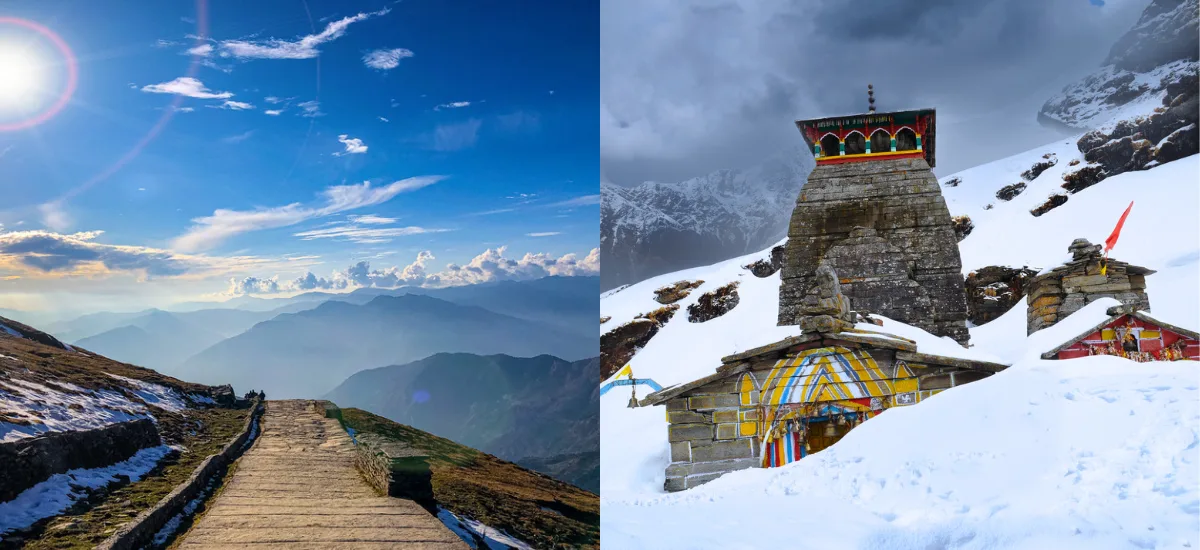
The trek to Tungnath begins in Chopta, winding through dense pine forests, rocky ridges and open meadows that reveal stunning Himalayan vistas at every turn. Spanning approximately 3.5 kilometres one way, the trail offers a balance of physical challenge and moments of awe-inspiring beauty. Along the route, trekkers encounter bubbling streams, moss-covered rocks and the occasional Himalayan wildlife, making the journey as rewarding as the destination itself. Tungnath is not only a spiritual haven, housing one of the highest Shiva temples in the world, but it is also part of the revered Panch Kedar circuit, adding a sacred dimension to the trek and attracting devotees from across India.
For those seeking an extra dose of adventure, the Chandrashila summit lies just 1.5 kilometres further uphill from Tungnath. The final ascent is steep but immensely satisfying, with panoramic views of Himalayan giants like Nanda Devi, Trishul and Chaukhamba stretching across the horizon. Sunrise at Chandrashila is especially magical, painting the snow-capped peaks in golden and pink hues that are perfect for photography and quiet reflection. Each step along the trail offers new perspectives of the majestic mountains, alpine meadows and verdant valleys below, making the trek an unforgettable experience for adventurers, photographers and spiritual seekers alike.
Accommodation and Local Experiences
Chopta offers a range of accommodations, from simple guesthouses to eco-friendly campsites. Staying here allows visitors to enjoy tranquil evenings surrounded by pine forests, star-studded skies and crisp mountain air. Local guides offer trekking assistance, nature walks and insights into the flora and fauna of the region.
Evening walks in Chopta’s meadows are a peaceful experience. The gentle hum of the forest, the distant roar of rivers and the silhouette of peaks against a setting sun create a perfect Himalayan retreat for travellers seeking solitude and nature.
Practical Travel Tips
Before visiting, check road conditions and weather forecasts, particularly during winter and monsoon. Essential items include trekking shoes, layered clothing, rain protection and basic first-aid kits. Respect the natural environment by sticking to marked trails, avoiding litter and following responsible trekking practices.
Travellers should also plan their visits based on personal preferences. Families and casual travellers may prefer spring and autumn for comfortable conditions, while adventure enthusiasts may opt for winter for snow trekking. Summer remains ideal for accessible treks and clear scenic views.
Conclusion: Timing Your Himalayan Adventure
Choosing the best time to visit Chopta and Tungnath depends on the kind of Himalayan experience you are seeking. Spring and summer offer pleasant weather, vibrant meadows and accessible trekking trails, making it ideal for families, photographers and casual trekkers. The rhododendrons bloom in full colour, the air is crisp and the Himalayan peaks shimmer in sunlight, providing endless opportunities for photography, peaceful walks and connecting with nature.
Autumn is perfect for those seeking clear skies, panoramic views and comfortable trekking conditions. With the monsoon gone, the Himalayas reveal their majestic silhouettes, making sunrise and sunset from Tungnath and Chandrashila truly magical. The trails are quieter, allowing travellers to enjoy solitude and immerse themselves in the serenity of the mountains. Winter, by contrast, transforms the region into a snow-clad wonderland. Snow trekking here is thrilling for adventure enthusiasts, while even simply witnessing Chopta’s pristine landscapes covered in snow is an unforgettable experience.
No matter the season, a trip to Chopta and Tungnath is more than a trek it’s a journey of discovery. Along the way, visitors can explore nearby lakes, charming villages and Himalayan culture, all while embracing the spirituality of Tungnath temple. Each season paints a different story on the mountains, offering travellers a unique blend of adventure, nature and tranquillity. Whether it’s the blooming meadows of spring, the crisp skies of autumn, or the snow covered wonder of winter, Chopta and Tungnath promise memories that last a lifetime.
Explore Categories
Loading categories...



.png&w=256&q=70)