

Beautiful temples, neon city nights, ancient samurai towns & cherry blossom everything. Here's exactly where to go especially if it's your first time.
On this page
Right, let's be honest planning a Japan trip can feel absolutely overwhelming. You've got a thousand blog posts telling you to go to Kyoto, another thousand saying Tokyo, someone in a Facebook group insisting you'd be mental to skip Hokkaido and you're left staring at Google Maps at 11pm wondering what on earth to prioritise.
This guide cuts through all that. Whether you're after the most beautiful places to visit in Japan, famous spots you've seen on Instagram or just a solid no-nonsense plan for first timers you're in the right place. We've also answered the most-Googled questions about Japan travel at the top, so you can skip straight to what you need.
Quick Answers No Waffle
What is Japan's most beautiful place?
Most people say Kyoto and they're not wrong. With over 1,600 Buddhist temples, bamboo groves and geisha districts, it's utterly stunning. But for raw natural beauty, Hakone (with views of Mount Fuji) and Arashiyama give Kyoto a proper run for its money.
What are the top 10 things to do in Japan?
Visit a Shinto shrine at sunrise, ride the bullet train (Shinkansen), eat ramen in a tiny local shop, walk through Kyoto's Fushimi Inari gates, experience Tokyo at night from a skyscraper, try an onsen (hot spring bath), visit a ninja or samurai museum, see Mount Fuji from Hakone, explore Hiroshima Peace Park and if you're there in spring find the nearest cherry blossom tree and sit under it with a bento box. Non-negotiable.
What is the cheapest month to visit Japan?
January and February are typically the cheapest it's cold, there are no major festivals and flights and hotels drop significantly. June (rainy season) is also very affordable if you don't mind a bit of drizzle. Avoid late March–April (cherry blossom season) and October–November (autumn colours) beautiful, but pricey and crowded.
Is 1 lakh (₹1,00,000) enough for a Japan trip?
It's very tight for a return trip from India including flights. Flights alone can eat ₹40,000–₹60,000. With ₹1 lakh total, you'd be looking at a very budget itinerary hostels, convenience store meals and a short 5–7 day trip. ₹1.5–2 lakh+ gives you a much more comfortable and realistic experience. See the full budget breakdown below.
Where to go in Japan for the first time?
The classic Tokyo → Kyoto → Osaka triangle is the best starting point for first timers. It covers Japan's past and present, it's well-connected by bullet train and you'll get a brilliant taste of everything temples, street food, nightlife, history and shopping. See our first-timer section below for a day-by-day itinerary.
What is the 5-minute rule in Japan?
The 5-minute rule means arriving 5 minutes early is considered "on time" in Japan. Being exactly on time is seen as slightly rude and being late even by 2 minutes is genuinely considered disrespectful. Japanese trains famously apologise when they're more than 60 seconds late. Basically: set your alarm early and relax.
How long should I visit Japan for?
10–14 days is the sweet spot for a first visit. That gives you 3–4 days in Tokyo, 2–3 days in Kyoto, a day in Hiroshima and time for a day trip or two (Nara, Hakone, Osaka). A week is doable but you'll feel rushed. Two weeks lets you breathe and actually enjoy it rather than ticking boxes.
The 10 Best Places to Visit in Japan
These aren't just famous places for tourists they're the spots that will actually stick with you long after you're home. Ranked by overall experience, accessibility and that hard-to-define "wow" factor.
Tokyo
Best for: First Timers · City Life · Food
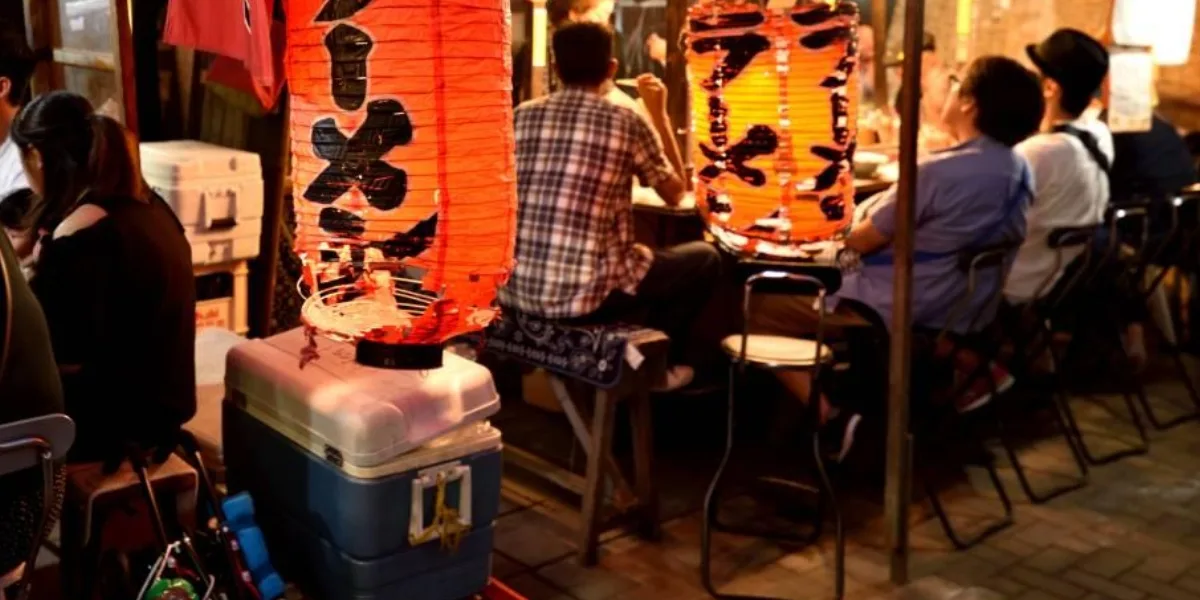
If Japan were a person, Tokyo would be its impossibly cool, slightly chaotic, extremely well-dressed older sibling. This city does everything at maximum volume the neon signs, the 13-floor department stores, the sushi restaurants with 3-month waiting lists and yet somehow, it all works perfectly.
For Japan famous places for tourists, Tokyo is ground zero. Hit Shibuya Crossing at rush hour (nothing prepares you for it), wander Senso-ji Temple in Asakusa at dawn before the crowds arrive and lose a happy afternoon in Harajuku people-watching. Shinjuku at night is genuinely unlike anywhere else on earth.
Don't miss: Teamlab digital art museums, Tsukiji Outer Market for breakfast sushi and at least one convenience store meal (7-Eleven in Japan is genuinely excellent stop laughing, we mean it).
Insider Tip: Get the Tokyo Metro 72-hour pass (around ¥1,500). The subway system looks scary but it's colour-coded and most signs have English. You'll crack it by day two.
Excellent transport
World-class food
Best for 3–4 days
Very English-friendly
Kyoto
Best for: Culture · Temples · Beautiful Scenery
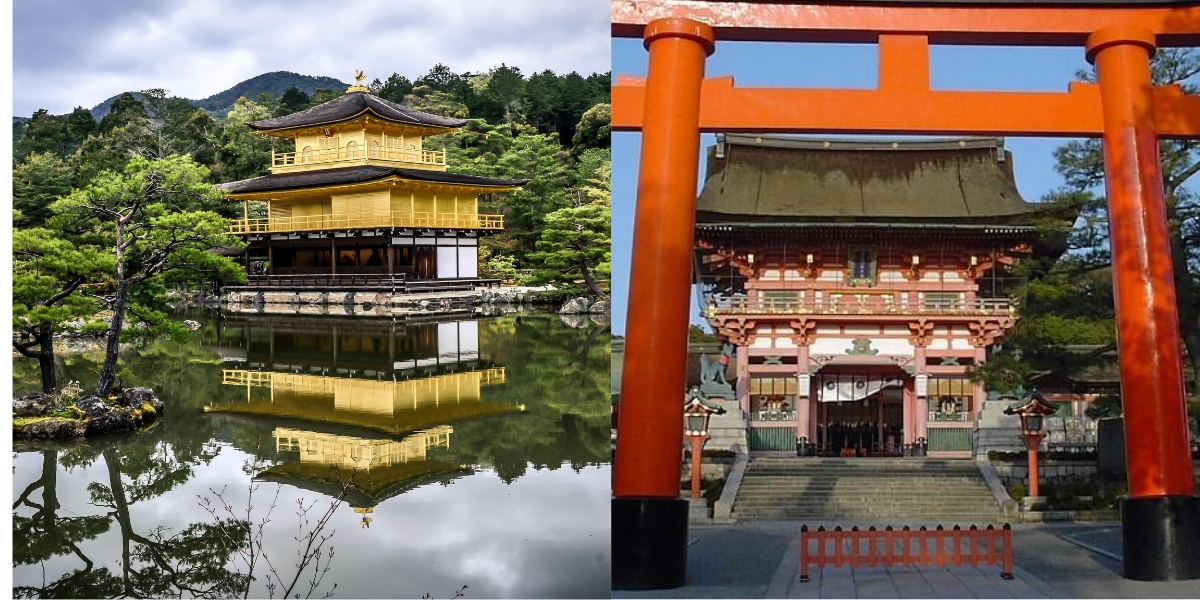
Kyoto is Japan's spiritual heart and visiting it feels a bit like stepping into a painting. As the country's ancient capital, it has more UNESCO World Heritage Sites per square kilometre than almost anywhere on the planet. The beautiful places to visit in Japan conversation starts and usually ends here.
The Fushimi Inari Shrine that iconic tunnel of thousands of vivid orange torii gates is as breathtaking in person as in photos. Get there before 7am and you'll have it almost to yourself. The Arashiyama Bamboo Grove is similarly magical at dawn. And the Gion district, with its preserved machiya townhouses and chance of spotting a geisha, is unlike anything in the Western world.
Kyoto also gives you easy access to Nara (45 minutes by train) where wild, surprisingly bold deer roam freely around ancient temples. Absolutely worth a half-day trip.
Insider Tip: Kyoto is best explored by bicycle. Hire one from your hostel or a local shop for about ¥1,000/day. The city is flat and bike lanes are everywhere.
1,600+ temples
Cherry blossom hotspot
Best for 2–3 days
Day trip to Nara
Osaka
Best for: Street Food · Nightlife · Friendly Locals
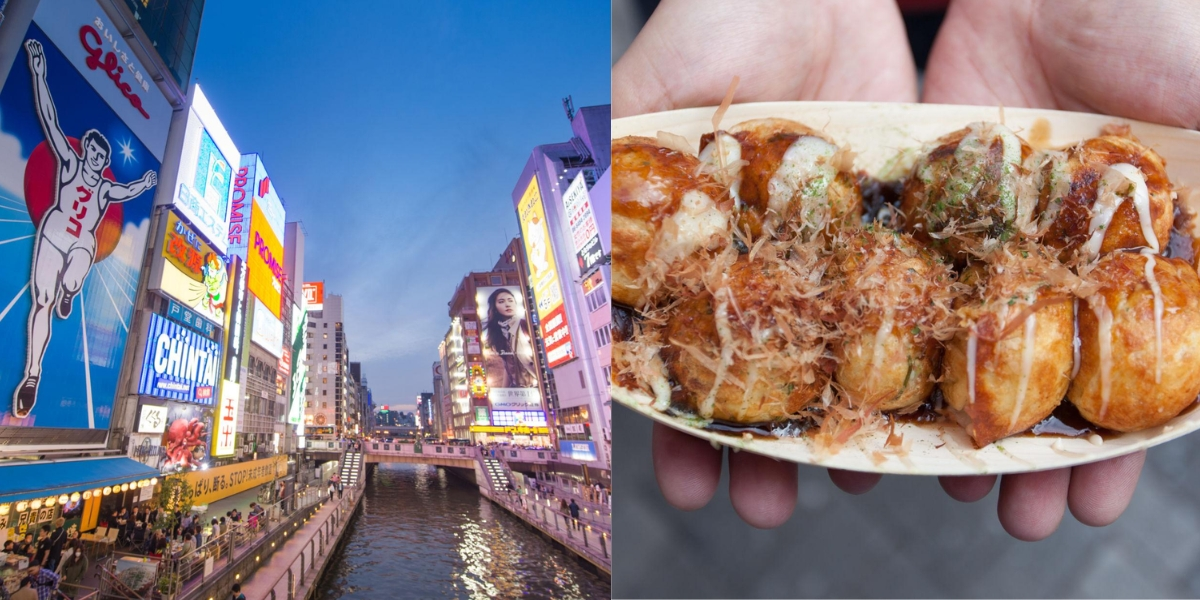
If Tokyo is the cool older sibling, Osaka is the fun one who everyone actually wants to sit next to at dinner. Osaka-ites are famously louder, warmer and more food-obsessed than the rest of Japan which is saying something for a country that takes food this seriously.
The Dotonbori entertainment district, with its giant mechanical crab and glowing canal reflections, is brilliant for an evening wander. Osaka Castle is worth a couple of hours and Kuromon Ichiba Market is basically a street food paradise. Takoyaki (octopus balls stay with us) and okonomiyaki (savoury pancakes) are the things to eat here.
Insider Tip: Osaka is cheaper than Tokyo on average. It also makes a great base for day trips to Kyoto and Nara, which are both under 30 minutes away by train.
Street food capital
Great nightlife
Best for 2 days
Budget-friendly
Hiroshima & Miyajima Island
Best for: History · Moving Experiences · Natural Beauty
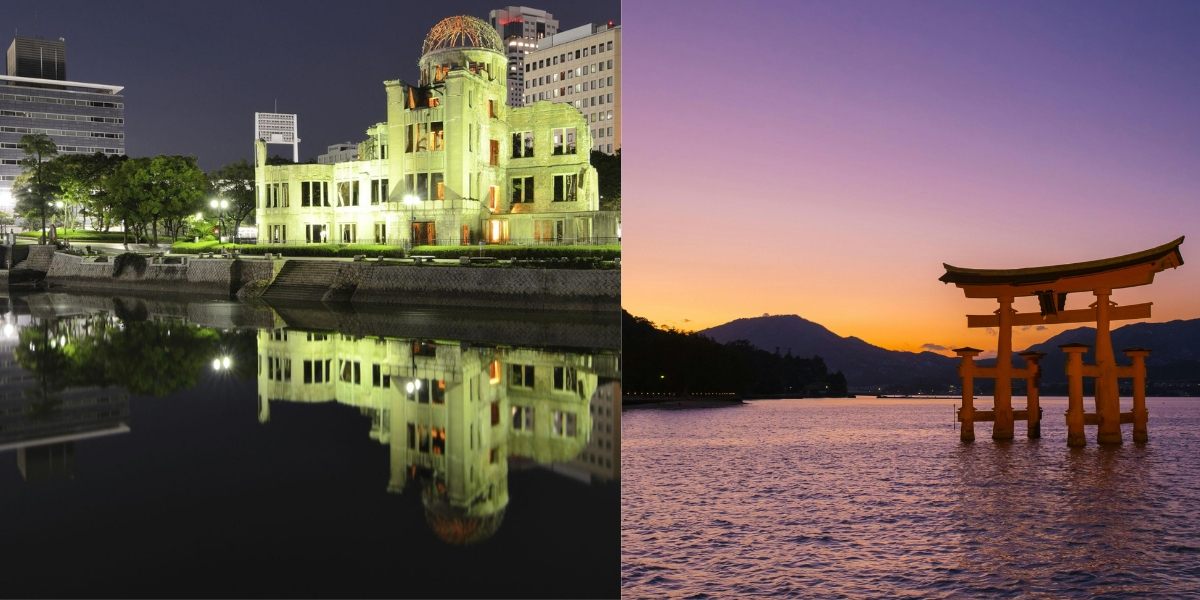
Hiroshima is one of those places that genuinely changes you. The Peace Memorial Museum is sobering, powerful and absolutely essential it handles one of history's darkest chapters with extraordinary dignity and humanity. Many visitors say it's the most affecting museum they've ever visited.
But Hiroshima isn't just history. The city itself is warm, forward-looking and proudly rebuilt. And a 30-minute ferry from the city brings you to Miyajima Island home to the famous "floating" torii gate that rises from the sea at high tide and one of the most photographed images in all of Japan. Sacred deer wander the island freely (noticing a theme?). It's genuinely magical.
Insider Tip: Visit Miyajima at dusk. The torii gate is lit up at night and the crowds thin out. Combine with the Peace Park for a full, incredibly memorable day.
Peace Memorial
Floating torii gate
Best as a day trip from Osaka/Kyoto
Hakone
Best for: Mount Fuji Views · Onsen · Nature
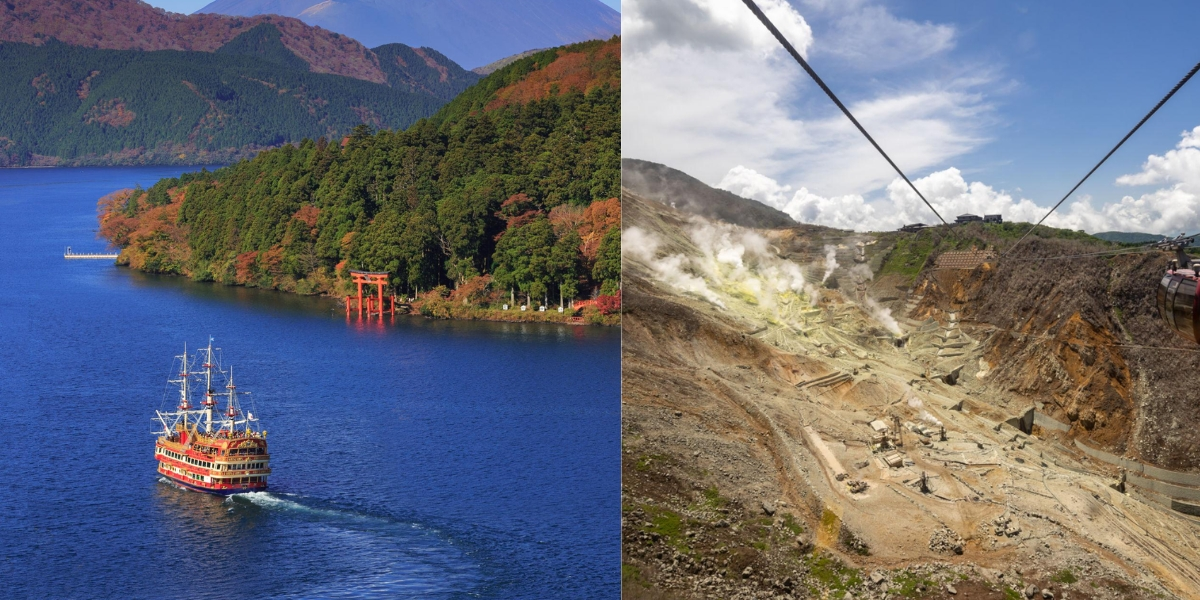
Hakone is where Japan slows down. A mountain resort town about 90 minutes from Tokyo, it's the place most famous for its jaw-dropping views of Mount Fuji across Lake Ashi particularly stunning at dawn when the mountain reflects perfectly in the still water.
This is also the best place to experience an onsen (traditional Japanese hot spring bath) if you've never tried one. Yes, you go in without swimwear. Yes, it's initially terrifying. Yes, within 10 minutes you'll understand why the Japanese have been doing it for centuries.
Insider Tip: The Hakone Free Pass covers almost every form of transport in the area ropeway, pirate ship on the lake, buses, trains. Buy it at Shinjuku station before you leave Tokyo. Great value.
Mount Fuji views
Best onsen town
Best for 1–2 days from Tokyo
Nara
Best for: Ancient History · Wildlife · Relaxed Pace
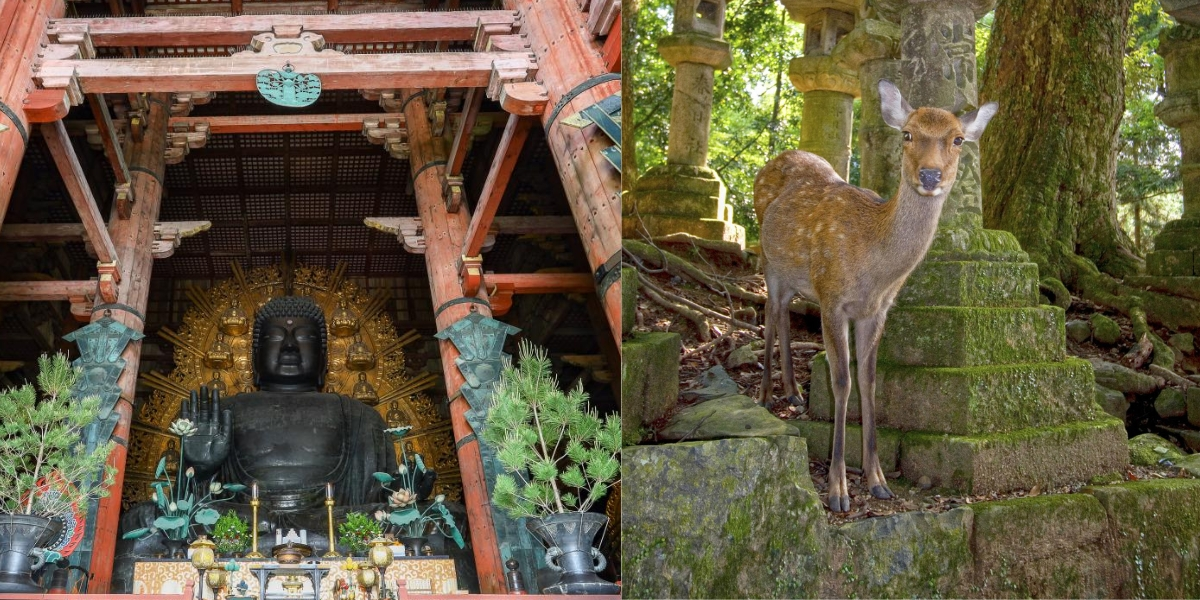
Japan's first permanent capital, Nara is a lovely, calmer alternative to the big cities and home to over 1,000 freely roaming deer who are considered sacred messengers of the gods. They'll bow to you (genuinely it's a trained response to get deer crackers) and they'll absolutely pinch your map if you're not paying attention.
Todai-ji Temple houses one of the largest bronze Buddha statues in the world the scale of it is genuinely shocking when you walk through the gate. Nara Park itself is beautiful for a wander, especially in autumn when the maple leaves turn.
Insider Tip: Nara works brilliantly as a half-day or full-day trip from Osaka (45 mins) or Kyoto (35 mins). Don't leave your food in an accessible bag. The deer are fast learners.
Nikko
Best for: Ornate Shrines · Mountains · Day Trips
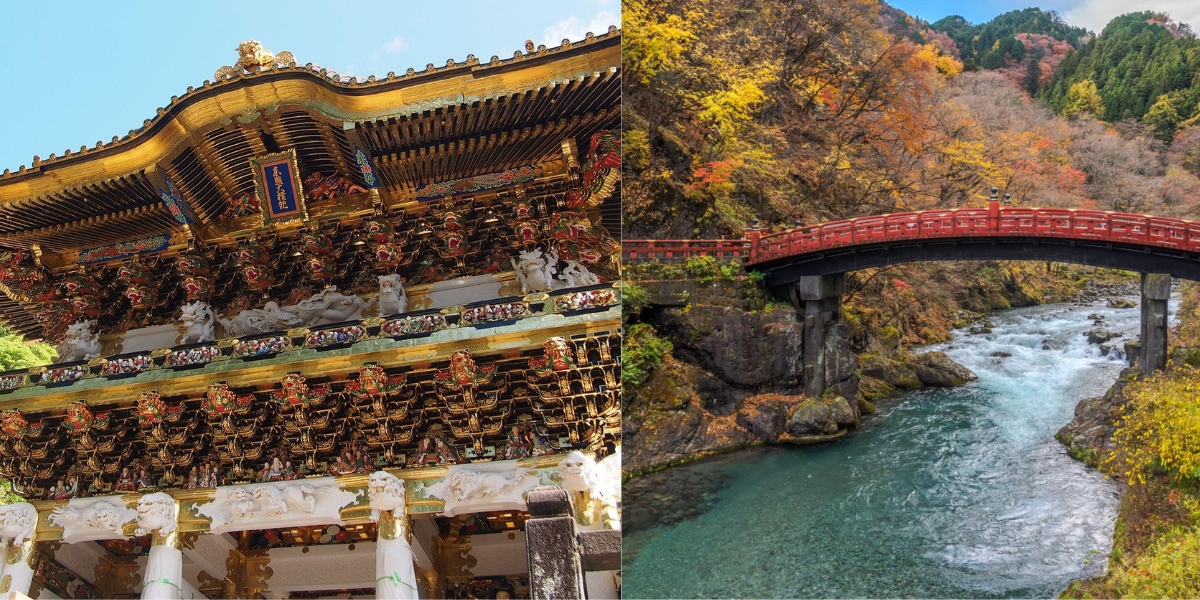
Often overlooked in favour of Kyoto, Nikko is quietly one of Japan's most spectacular places. Set in the mountains two hours north of Tokyo, it's home to the extraordinarily elaborate Tōshō-gū Shrine a riot of gold leaf, vivid colour and intricate carving that's unlike any other shrine in the country. It's also where the famous "see no evil, hear no evil, speak no evil" monkey carving originates.
The surrounding Nikko National Park offers gorgeous hiking, waterfalls and proper mountain scenery. If you want a nature fix without going too far from Tokyo, this is your spot.
Insider Tip: The Nikko Pass (available from Asakusa Station) covers the return train from Tokyo and all local buses. Visit on a weekday if possible weekends get busy with Tokyo day-trippers.
Sapporo & Hokkaido
Best for: Winter Travel · Food · Off-the-Beaten-Track
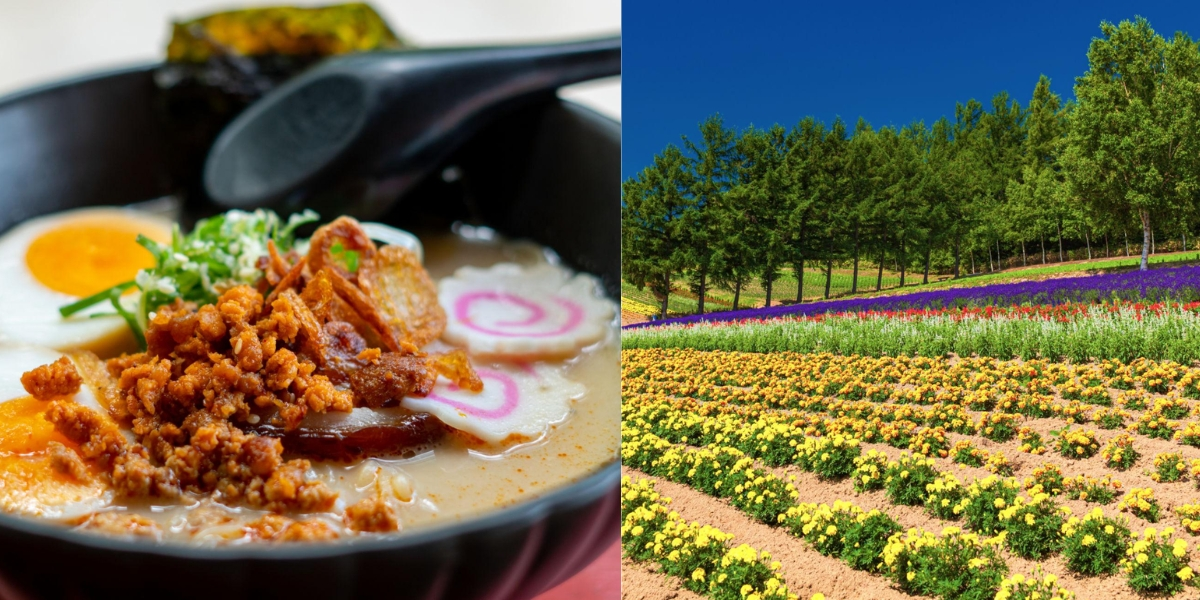
If you're visiting Japan in winter, Hokkaido Japan's northernmost island should absolutely be on your radar. Sapporo hosts its famous Snow Festival in February, where sculptors from around the world create extraordinary ice and snow installations throughout the city. It's one of the most unique festivals in Asia.
Hokkaido is also famous for the best dairy produce in Japan (the cheese, butter and milk here are genuinely exceptional they take it very seriously) and for world-class skiing at Niseko. It feels quieter and more rural than the rest of Japan, which is very much the point.
Insider Tip: Sapporo is only 90 minutes from Tokyo by flight. Budget airlines like Peach and Jetstar make it very affordable. Book well in advance for the Snow Festival period accommodation sells out months ahead.
Kanazawa
Best for: Traditional Japan · Geisha Districts · Fewer Crowds
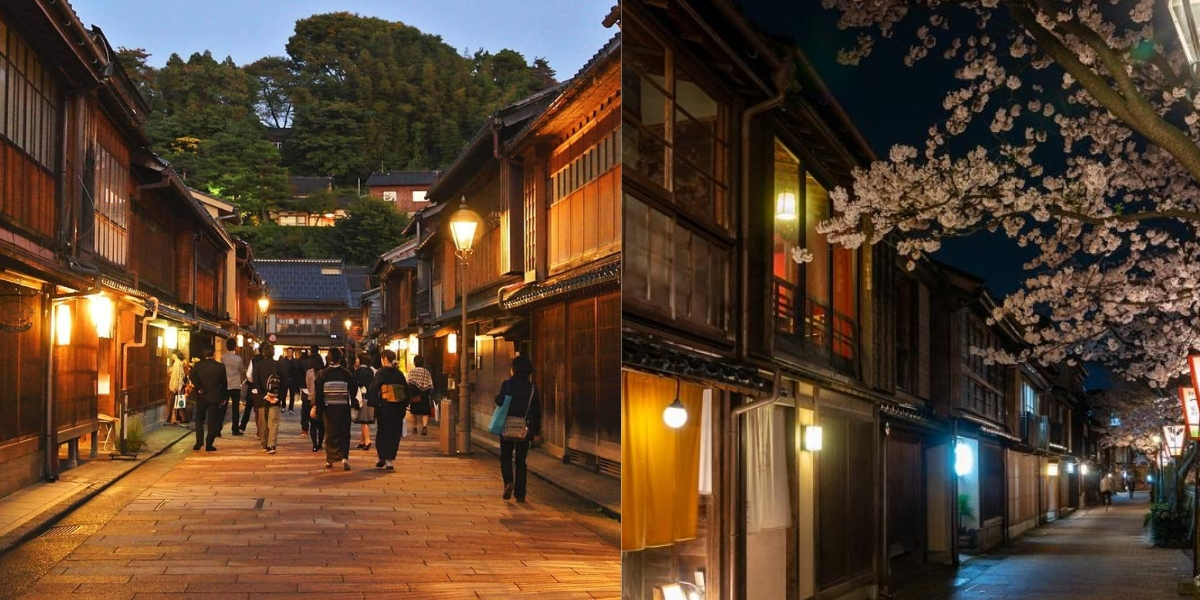
Kanazawa is often called "little Kyoto" and that's not an insult. Miraculously untouched by wartime bombing, it has preserved geisha districts, samurai neighbourhoods and traditional architecture in stunning condition. And because most tourists skip it in favour of the Kyoto-Tokyo corridor, you'll often have these extraordinary streets almost to yourself.
Kenroku-en Garden is considered one of Japan's three most beautiful landscape gardens especially in winter, when the pine trees are wrapped in cone-shaped rope to protect them from snow. Incredibly photogenic and genuinely peaceful.
Insider Tip: Kanazawa is now connected to Tokyo by the Hokuriku Shinkansen (about 2.5 hours). The Omicho Market is brilliant for fresh seafood Kanazawa is famous for its crab and sea urchin.
Yakushima Island
Best for: Nature · Ancient Forests · Adventure
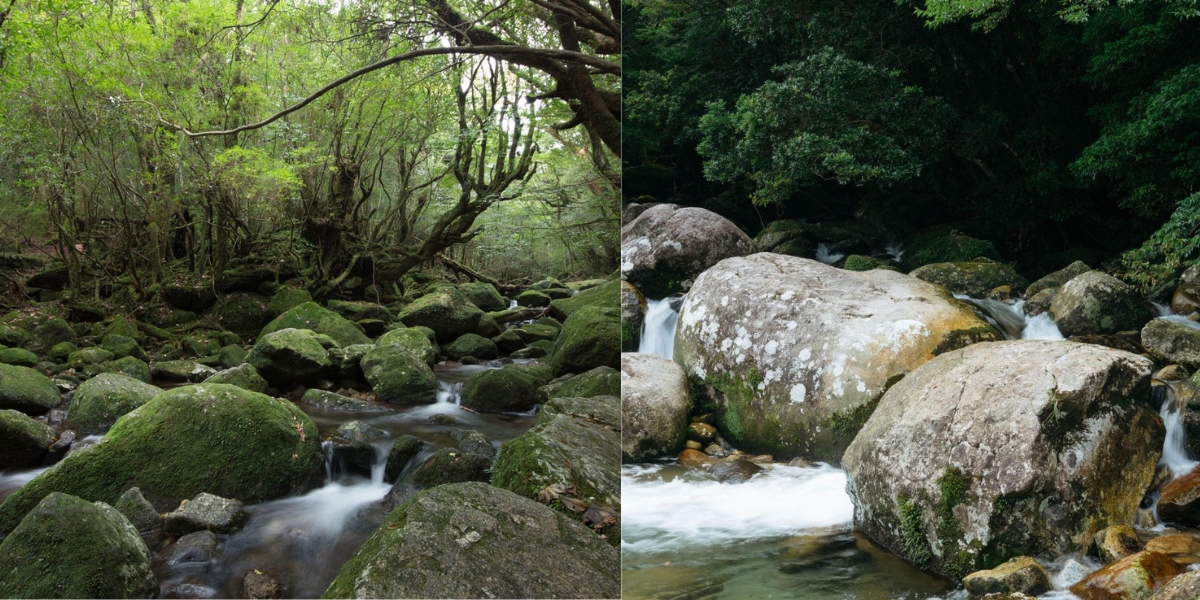
For something completely different from temples and cities, Yakushima is one of Japan's most extraordinary natural environments. A UNESCO World Heritage island off Kyushu's southern coast, it's covered in ancient cedar forest some trees are over 7,000 years old. It's thought to have inspired the forest in Studio Ghibli's Princess Mononoke.
If you've done the city circuit and want to add something truly breathtaking to your itinerary, the 8–10 hour hike to Jomon Sugi (Japan's oldest tree) is one of the most spectacular walking experiences in Asia. The island is also lush, dramatic and gets more rainfall than almost anywhere in Japan bring waterproofs.
Insider Tip: Accessible by flight from Kagoshima (35 mins) or overnight ferry. It's a proper adventure plan 2–3 days minimum. Not for the faint-hearted, but absolutely unforgettable.
Cheapest Month to Visit Japan
Timing your trip right makes an enormous difference to both your experience and your wallet. Here's the honest breakdown:
Month | Weather | Crowd Level | Prices | Verdict |
|---|---|---|---|---|
Jan–Feb | Cold (0–8°C) | Low | Cheapest | Great for budget travel & winter sports |
March–April | Mild & beautiful | Very High | Most Expensive | Cherry blossom stunning but pricey & crowded |
May | Warm, lovely | Medium | Mid-range | Sweet spot good weather, manageable crowds |
June | Rainy season | Low | Cheap | Hydrangeas bloom, fewer tourists, lower prices |
July–Aug | Hot & humid | High (domestic) | Mid–High | Festivals, but exhaustingly hot. Not ideal. |
Sep–Nov | Crisp & stunning | High | Expensive | Autumn colours second best season, higher prices |
December | Cold, festive | Medium | Mid-range | Lovely illuminations, comfortable temperatures |
Our Recommendation
For the best combination of good weather, lower prices and manageable crowds, go for late May or early December. If budget is your top priority, book for January or February just pack a proper coat.
How Long Should You Visit Japan For?
Here's a quick honest guide based on trip length:
5–7 Days- Tokyo + Kyoto only:- Rush, but doable. Skip Osaka or use it as an overnight transit. Best for people who want a taster trip.
10–12 Days- Tokyo - Hakone - Kyoto - Osaka - Hiroshima:- The sweet spot. Enough time to breathe, explore and genuinely relax into Japan's rhythm.
14 Days- Add Nara, Kanazawa, Nikko or Hokkaido:- Room for day trips, spontaneous detours and that second bowl of ramen you definitely need.
3+ Weeks- Add southern islands, rural Japan or Yakushima:- You've now gone beyond tourist and into "I think I might just stay" territory. Respect.
The Japanese 5-Minute Rule - What You Actually Need to Know
In Japan, arriving 5 minutes early is "on time". Arriving exactly on time is considered slightly rude. And being even 2–3 minutes late can cause genuine awkwardness. The Japanese rail network famously apologises when trains run more than 60 seconds behind schedule. This culture of punctuality extends to social plans, business meetings and restaurant bookings so set your alarms early and leave a buffer. Your hosts will notice and appreciate it.
Best Places to Visit in Japan for First Timers
Overwhelmed by options? Here's the single best first-timer itinerary for a 10-day trip tested, reliable and genuinely brilliant:
Days 1–3:- Tokyo- Arrive, recover from jet lag with a ramen bowl, then hit Shibuya, Asakusa, Harajuku and Shinjuku at night. Take the train to Tokyo Skytree for a sunset city view.
Day 4:- Day trip to Nikko or Kamakura- The giant Buddha at Kamakura is 90 mins from Tokyo and deeply, unexpectedly moving. Or go north to Nikko for the ornate shrine.
Day 5:- Hakone- Shinkansen to Hakone for Mount Fuji views, onsen and the ropeway over volcanic landscape. Stay overnight for sunset/sunrise Fuji views if budget allows.
Days 6–7:-Kyoto - Fushimi Inari gates, Arashiyama Bamboo Grove, Kinkaku-ji (Golden Pavilion) and an evening wander through Gion. Rent a bicycle for day two.
Day 8:- Nara day trip - Take the train from Kyoto (35 mins), feed the sacred deer, visit Todai-ji Temple and be back for dinner.
Days 9–10:- Osaka - Hiroshima- Morning in Osaka for street food and Dotonbori. Afternoon bullet train to Hiroshima, evening at Peace Park. Day two: Miyajima Island before flying home
Ready to Book Your Japan Trip?
Planning to apply for a Japan tourist visa? Check the latest visa process, fees, required documents, processing time and travel tips for Indian travelers in this complete guide.
Explore Categories
Loading categories...



.png&w=256&q=70)