Uttarakhand’s Phool Dei Festival Blossoms Online
A simple springtime tradition from Uttarakhand is winning hearts worldwide as Phool Dei, a festival of flowers and gratitude, trends online following a viral spotlight.
On this page
As winter slowly loosens its grip over the Himalayan state of Uttarakhand, a quiet yet deeply meaningful celebration emerges from its villages, one that is now finding a new audience far beyond the mountains. The charm of Phool Dei, a traditional spring festival, has recently taken centre stage online after industrialist Anand Mahindra shared a heartfelt post appreciating its cultural richness.
What was once a local tradition practised in the serene hills is now inspiring curiosity and admiration across India and even abroad. Phool Dei marks the arrival of spring, but more importantly, it reflects a way of life rooted in gratitude, harmony and respect for nature. In an era where travel is increasingly about experiences rather than destinations, such cultural gems are drawing the attention of mindful travellers seeking authenticity.
What Is Phool Dei?
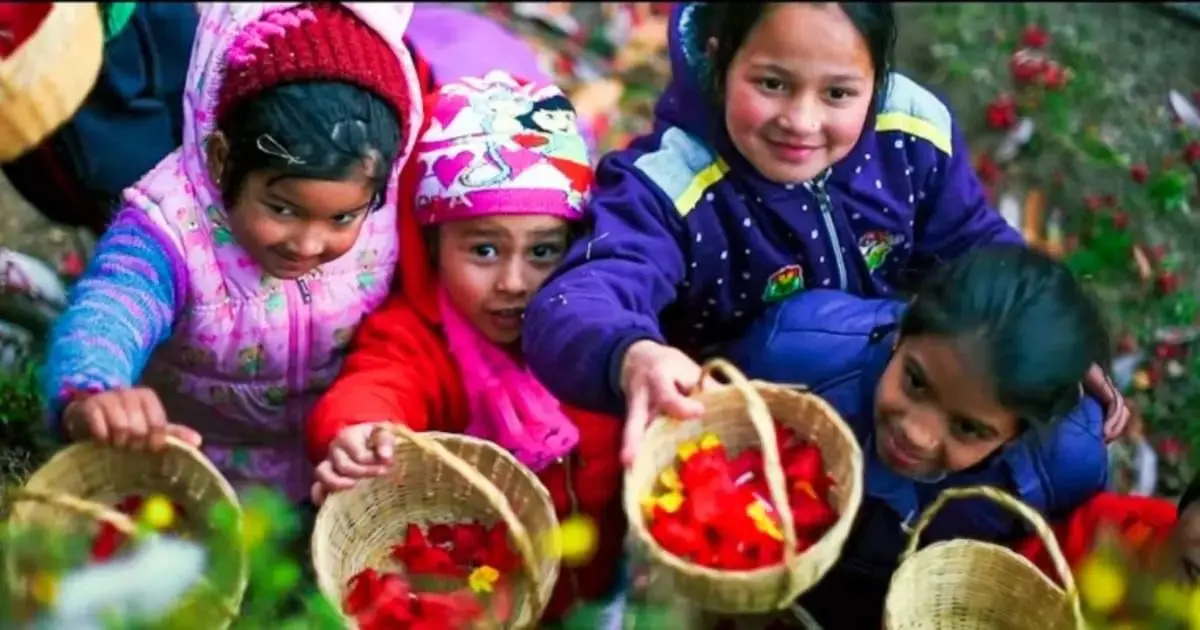
Phool Dei is a traditional folk festival celebrated across the Kumaon and Garhwal regions of Uttarakhand. The name itself translates to “flower offering,” and that is exactly what defines the essence of this celebration. Young girls, dressed in traditional attire, gather fresh seasonal flowers and place them at the thresholds of homes in their villages.
As they go door to door, they sing folk songs that convey blessings of prosperity and happiness for each household. In return, families offer them rice, jaggery, sweets and small tokens of appreciation. The exchange is not transactional but symbolic, representing goodwill, abundance and the strengthening of community ties.
This age-old tradition beautifully reflects the cultural richness of Uttarakhand, where nature and daily life remain deeply intertwined. It is this authenticity that has captured the attention of audiences online, turning a local celebration into a widely admired cultural moment.
When And Where Can You See Phool Dei?
Phool Dei is celebrated on the first day of the Hindu month of Chaitra, which usually falls in March, marking the onset of spring. The festival is most prominently observed in rural areas of Uttarakhand, particularly in the Kumaon region, though its spirit can be felt across the state.
Travellers seeking to witness Phool Dei should plan their visit during early spring when the hills are alive with blooming flowers and festive energy. Villages offer the most authentic experience, where the rituals unfold naturally without any commercialisation.
While towns and cities may acknowledge the festival, it is in the quieter mountain villages where Phool Dei truly comes alive. The combination of scenic landscapes, pleasant weather and cultural vibrancy makes this period an ideal time for immersive travel in Uttarakhand.
Why Is Phool Dei Celebrated?
The significance of Phool Dei lies in its deep connection to nature, agriculture and community life. The festival celebrates the arrival of spring, a season associated with renewal, growth and prosperity.
In agrarian communities, this time of year marks the beginning of a new agricultural cycle. The offering of flowers symbolises respect for nature’s bounty and hope for a fruitful harvest season ahead. The act of blessing households with flowers is believed to bring good fortune and ward off negativity.
Culturally, Phool Dei reinforces social harmony. It encourages younger generations to participate in traditions, strengthening their connection to their roots. The festival also highlights the role of women and children in preserving cultural heritage, as young girls take centre stage in the celebrations.
Rituals and Traditions That Define the Festival
The rituals of Phool Dei are simple yet meaningful. Early in the morning, children gather flowers from nearby forests and fields. They then move from one house to another, decorating thresholds with petals and singing traditional songs known as “Dei songs.”
Doorsteps hold special significance in this ritual, as they are considered the entry point of prosperity and positivity into a home. By placing flowers at the entrance, participants symbolically invite good fortune into every household.
The food shared during the festival, often including traditional sweets made from jaggery and rice, further enhances the spirit of togetherness. Every aspect of the celebration reflects a lifestyle rooted in sustainability and respect for nature.
Digital Spotlight Brings Cultural Heritage to the Forefront
The recent online attention has brought Phool Dei into conversations around sustainable tourism and cultural preservation. Uttarakhand, long known for its scenic landscapes and spiritual significance, is now being recognised for its rich intangible heritage as well.
This shift is influencing travel choices, with more people seeking experiences that go beyond sightseeing. Instead of limiting their journeys to popular destinations, travellers are exploring festivals and traditions that offer deeper cultural insights.
A New Wave of Experiential Travel
Phool Dei perfectly aligns with the growing trend of experiential travel. It is not a staged event but a living tradition that allows visitors to witness authentic village life. Travellers can engage with locals, understand their customs and experience a slower, more meaningful way of life.
Such experiences are increasingly valued in today’s travel landscape, where authenticity and connection matter more than luxury alone.
The Importance of Responsible Tourism
As interest in Phool Dei continues to grow, the importance of responsible tourism becomes even more relevant. Visitors are encouraged to approach the festival with respect, ensuring that their presence supports rather than disrupts local traditions.
Preserving the authenticity of such celebrations is essential for maintaining their cultural significance. Uttarakhand’s villages thrive on this delicate balance between welcoming visitors and protecting their heritage.
Why Phool Dei Matters Today
The rising popularity of Phool Dei reflects a broader shift in how people travel and experience destinations. There is a growing appreciation for traditions that offer meaning, connection and a sense of belonging.
For those planning a spring journey, Uttarakhand offers more than just scenic beauty. It provides an opportunity to witness a festival that celebrates life in its simplest and most genuine form.
Phool Dei serves as a gentle reminder that some of the most enriching travel experiences come from engaging with local cultures and traditions. As this festival continues to gain recognition, it stands as a symbol of India’s diverse and vibrant heritage, waiting to be explored with curiosity and respect.
Last Updated: October 25, 2026