Ladakh Halts Iconic Chadar Trek as Zanskar River Begins to Thaw - Safety Concerns Rise
The famous Chadar Trek in Ladakh has been halted due to unsafe ice conditions on the Zanskar River as it begins to thaw prematurely, prompting authorities to prioritise safety for trekkers.
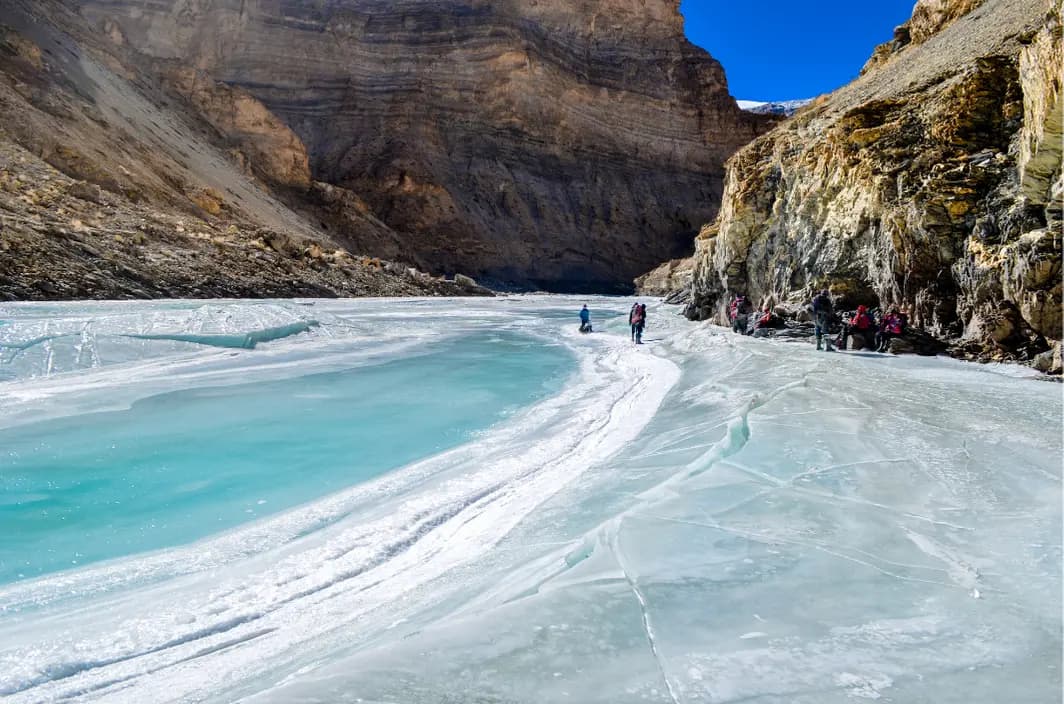
In a significant travel advisory for adventure seekers, the Union Territory administration of Ladakh has suspended the famous Chadar Trek after authorities observed that the Zanskar River - traditionally frozen solid in winter - has started to thaw, posing serious safety risks for trekkers. This action was taken following a detailed assessment by a multi-agency team, including the Border Roads Organisation (BRO) and the UT Disaster Response Force, which concluded that unstable ice conditions make the high-altitude trail too dangerous to attempt.
The Chadar Trek - a legendary winter expedition over the frozen Zanskar River at elevations exceeding 11,000 feet - is one of India’s most challenging and unique adventure experiences. Trekking this harsh landscape requires a strong ice cover, as participants walk for days across the river surface with towering ridges on either side. However, officials found that warmer temperatures and reduced ice formation have compromised the trek’s safety, leading to the suspension of operations until further notice.
The official notice from Ladakh’s disaster management authority warned that thin, recently thawing ice and unpredictable currents could result in life-threatening situations for trekkers, guides, and support teams. Consequently, all trekking and related activities on the Chadar route have been put on hold until conditions improve - with authorities closely monitoring the situation.
This suspension not only affects adventurous travellers from across India and around the world but also has ripple effects on the local winter tourism economy, which benefits from the annual influx of trekkers. Tour operators, local guides, porters, and hospitality businesses that rely on the Chadar season are now facing uncertainty. Officials and stakeholders are reviewing alternative winter activities and safety protocols to sustain visitor interest while prioritising traveller protection.
Climate experts say that this year’s unstable ice cover reflects broader shifts in weather and temperature patterns in the Himalayan region, which could increasingly impact high-altitude winter expeditions if warming trends continue.
Last Updated: October 27, 2026