Kaziranga National Park Launches Astro-Tourism to Enhance Visitor Experience & Conservation
Kaziranga National Park has introduced astro-tourism, combining stargazing and wildlife tours to extend stays without stressing core safari zones, improve visitor engagement, and boost conservation-focused tourism.
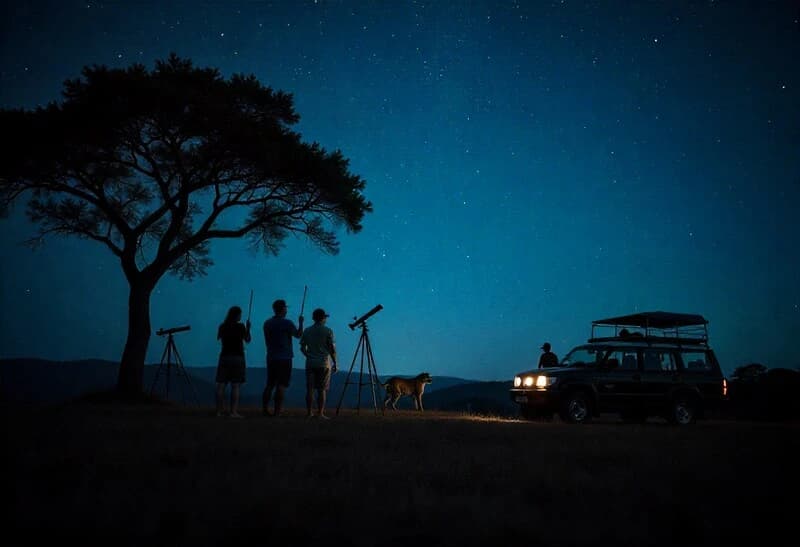
Kaziranga National Park and Tiger Reserve (KNPTR) in Assam, world-famous for its successful conservation of the Indian one-horned rhinoceros and rich biodiversity, has embarked on an innovative tourism initiative by piloting astro-tourism to enhance visitor experiences while supporting its conservation goals.
The move is designed to extend visitor stays without putting additional pressure on the park’s core wildlife areas by offering night-sky experiences such as stargazing and astrophotography. The initiative builds on “Cosmic Kaziranga – Stargazing & Astro-Guide Training Camp”, a two-day programme held at Rhinoland Park, Burrapahar - where guides, conservation professionals, astronomy experts and frontline staff explored ways to blend celestial tourism with ecological sustainability.
Astro-tourism is still emerging in India but is well established in destinations across the world (such as Chile, Namibia and New Zealand). Kaziranga’s vast dark skies, relatively low light pollution and biodiversity-rich surroundings make it a promising site for this low-impact form of tourism. Officials say this approach not only allows wildlife enthusiasts to complement daytime safaris with nighttime sky observations but also helps generate local employment, boost environmental awareness, and strengthen the park’s identity as a diversified ecotourism destination.
Field director Sonali Ghosh highlighted that combining stargazing with traditional wildlife tourism can help visitors engage more deeply with nature, culture and conservation, without increasing stress on sensitive habitats. The programme also emphasised controlling light and sound pollution around protected zones, as these factors can disrupt wildlife and diminish night-sky visibility.
Last Updated: October 16, 2026