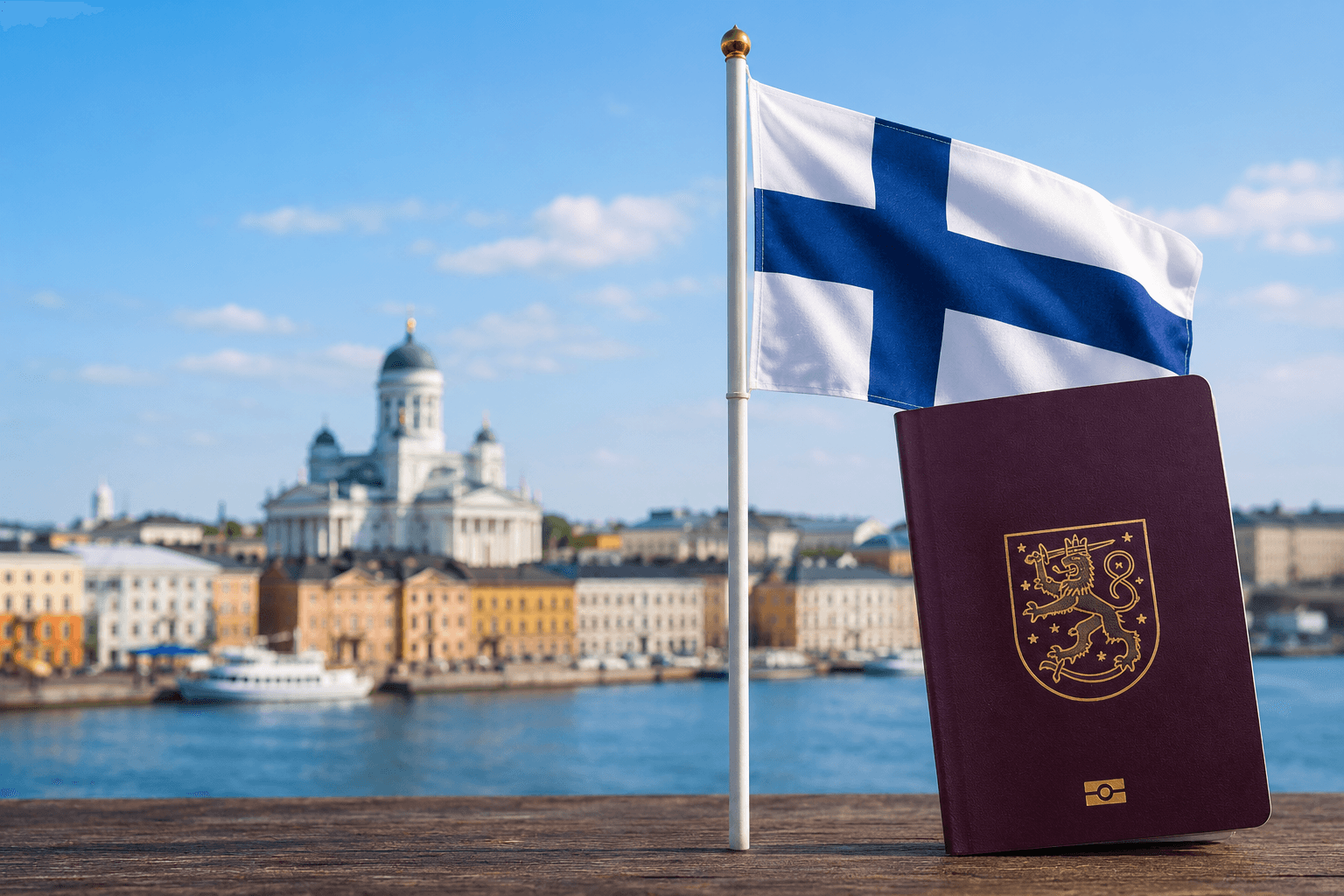
Finland Grants Record Number of Citizenships in 2026
Finland granted a record 14,703 citizenships in 2026 despite a sharp decline in new applications following stricter immigration rules. Indians remain among the leading beneficiaries, particularly through family reunification pathways, as the country continues to tighten requirements for long-term residence and citizenship.
Finland recorded its highest-ever number of citizenship approvals in 2026, granting citizenship to 14,703 people during the year. The milestone comes at a time when the Nordic nation is tightening its immigration policies and introducing stricter requirements for permanent residence and citizenship.
According to figures released by Finland's Immigration Service (Migri), the record breaking number of approvals was largely driven by authorities processing a backlog of applications submitted before tougher citizenship rules came into effect in late 2024.
While citizenship grants reached an all time high, the number of new applications actually declined significantly. New citizenship applications dropped by around 34 per cent compared to the previous year, reflecting the impact of the country's stricter immigration framework.
Many applicants had submitted their citizenship requests in advance to avoid the new regulations, leading to a surge in approvals throughout 2026. As a result, Finland witnessed a record year for citizenship grants even though overall demand for citizenship fell.
If you are planning to move to Finland or any other European country, understanding the visa documentation process is essential. From financial proof and travel insurance to accommodation and identity documents, having the right paperwork can improve your chances of a successful application. Travellers and migrants looking for detailed guidance Schengen visa document checklist, which explains the key requirements needed for a smooth visa application process before travelling to Europe.
Work and Study Migration Sees Decline
The broader immigration picture in Finland tells a different story. The country experienced a noticeable decline in first time residence permits issued for work and study purposes during 2026.
Experts believe the slowdown is linked to a combination of factors, including stricter immigration policies, changing labour market conditions and slower economic growth. In recent years, Finland actively encouraged international workers and students to move to the country to help address labour shortages in sectors such as healthcare, technology, engineering and manufacturing.
However, recent policy changes suggest that Finland is now placing greater emphasis on long-term integration and self sufficiency among migrants. As a result, obtaining residence permits through employment or education has become more challenging compared to previous years.
For many prospective migrants, especially those considering Finland for work opportunities, the changing immigration environment means additional planning and preparation may be required before applying.
Family Reunification Continues to Grow
Despite the decline in work and study permits, one immigration category continued to show positive growth in 2026 family reunification.
Residence permits granted for family members increased by approximately 10 per cent during the year, making it the only major immigration pathway to register growth.
The increase indicates that many migrants who settled in Finland in previous years are now bringing their spouses, children and other eligible family members to join them.
Asian countries featured prominently among family reunification applicants. India, Sri Lanka and the Philippines were among the leading nationalities applying for family based residence permits.
This trend highlights a shift in migration patterns, where individuals who initially moved to Finland for work are now focusing on establishing long term family life in the country.
What It Means for Indian Migrants
The latest figures are particularly relevant for Indian professionals already living and working in Finland.
Over the past decade, Finland has become an attractive destination for Indian talent, especially in sectors such as information technology, engineering, research and healthcare. Many of these professionals are now reaching a stage where family settlement and long term residence have become priorities.
Although work and student visa routes are becoming more restrictive, family reunification remains a relatively stable option. This means eligible Indian residents may still have opportunities to bring close family members to Finland, provided they meet the required conditions.
Finland Tightens Citizenship Rules
Finland's government has been gradually raising the requirements for migrants seeking permanent status in the country.
Several important changes have already been introduced or are planned in the coming years. These include stricter citizenship eligibility requirements that came into effect in late 2024, longer residence periods for permanent residence permits from January 2026, and a civic knowledge test expected to become part of the citizenship process by 2027.
The government says these measures are designed to strengthen integration and ensure applicants develop stronger connections with Finnish society before receiving permanent residency or citizenship.
While Finland continues to welcome skilled migrants and families, the latest changes make it clear that obtaining long term settlement rights will require greater commitment and preparation in the years ahead.
Helpful Resources
Last Updated: October 15, 2026