A complete Nag Tibba Trek travel guide including route, best season, difficulty, cost, snowfall details, packing list and safety tips.
On this page
The Nag Tibba Trek, also known as the Serpent’s Peak Trek, is one of the most popular short treks in Uttarakhand and the highest peak in the Nag Tibba range of the Garhwal Himalayas. Located near Mussoorie, this trek is ideal for beginners, weekend trekkers, families, and first-time Himalayan explorers.
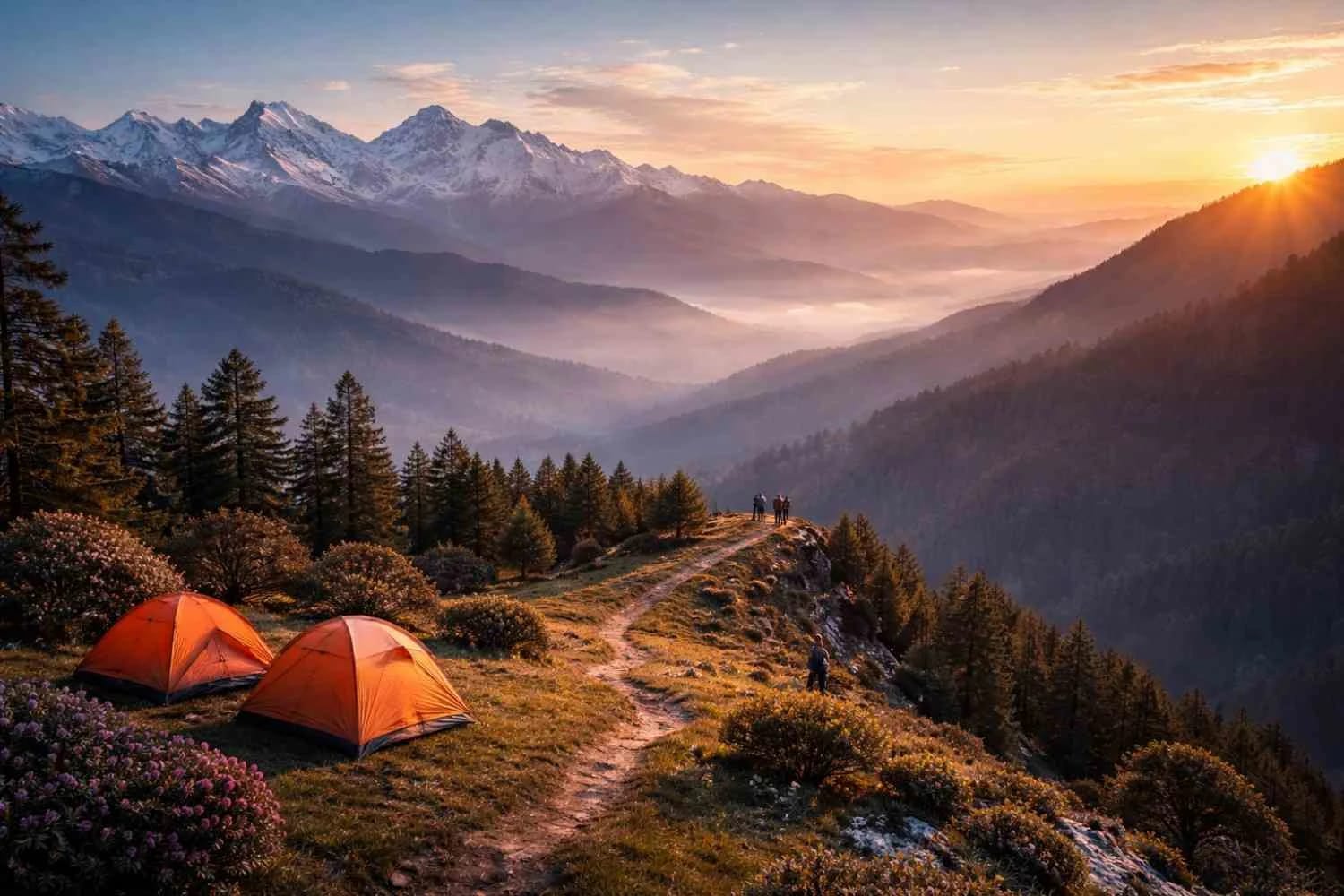
With a summit height of approximately 9,915 feet (3,022 meters), the Nag Tibba trek offers panoramic views of snow-capped Himalayan peaks, dense oak and rhododendron forests, peaceful mountain villages, and a rewarding summit experience - all within a short duration.
This detailed guide covers everything you need to know about the Nag Tibba Trek, including route details, itinerary, best season, difficulty level, cost, safety tips, and preparation advice.
Where is Nag Tibba Located?
Nag Tibba is situated in the Tehri Garhwal district of Uttarakhand, close to Mussoorie. The trek usually starts from Pantwari village, which serves as the base camp.
Key Location Facts
State: Uttarakhand
Region: Garhwal Himalayas
Nearest Hill Station: Mussoorie
Base Village: Pantwari
Distance from Dehradun: ~85 km
Because of its proximity to Dehradun and Mussoorie, Nag Tibba is considered one of the best weekend treks from Delhi.
Why is the Nag Tibba Trek So Popular?
The Nag Tibba trek has gained massive popularity due to a combination of accessibility, scenery, and ease.
Key Highlights
Perfect beginner-friendly Himalayan trek
Ideal for weekend travel
Snow trekking is possible in winter
Clear views of Bandarpunch, Swargarohini, and Gangotri peaks
Rich forest trails and birdlife
Short duration with high reward
Unlike longer Himalayan treks, Nag Tibba does not require prior trekking experience or extensive acclimatisation.
Nag Tibba Trek Distance, Height & Duration
Trek Detail | Information |
|---|---|
Maximum Altitude | 9,915 ft |
Total Trek Distance | ~16 km (round trip) |
Trek Duration | 2 Days / 1 Night |
Difficulty Level | Easy to Moderate |
Base Camp | Pantwari |
Best Time | October to April |
Nag Tibba Trek Route & Itinerary Overview
Day 1: Dehradun – Pantwari – Nag Tibba Base Camp
Drive from Dehradun to Pantwari (approx. 4–5 hours)
Begin trek through village trails and forests
Gradual ascent through oak and rhododendron trees
Reach Nag Tibba base camp
Dinner and overnight camping
Day 2: Base Camp – Nag Tibba Summit – Pantwari – Dehradun
Early morning trek to the summit
Enjoy 360-degree Himalayan views
Descend back to Pantwari
Return to Dehradun by evening
This itinerary makes Nag Tibba an excellent 2-day trekking experience.
Nag Tibba Trek Difficulty Level – Is It Safe for Beginners?
The Nag Tibba trek is classified as easy to moderate, making it suitable for:
First-time trekkers
Families with teenagers
Corporate groups
Solo travelers
Difficulty Breakdown
No technical climbing
Well-defined forest trails
Gradual altitude gain
Manageable slopes
Basic fitness, such as regular walking, jogging, or light exercise, is sufficient to complete this trek comfortably.
Best Time to Visit Nag Tibba Trek
Choosing the right season significantly enhances the trekking experience.
Winter (December to February)
Snow-covered trails and summit
Ideal for snow trekking
Cold temperatures
Most popular season
Spring (March to April)
Pleasant weather
Blooming rhododendrons
Clear mountain views
Autumn (October to November)
Stable weather
Best visibility
Ideal for photography
Monsoon (July to September)
Not recommended due to slippery trails and landslides
Best months: October to April
Nag Tibba Trek in Winter – Snow Experience
Nag Tibba is one of the best winter treks in India for beginners. During peak winter months:
Snowfall is frequent
Trail turns white and scenic
Summit views become more dramatic
Trekkers should carry proper winter gear, especially thermal layers and waterproof shoes.
Flora, Fauna & Natural Beauty
The Nag Tibba trail passes through dense forests rich in biodiversity.
Forest Cover
Oak
Rhododendron
Deodar
Wildlife (Occasional Sightings)
Mountain birds
Himalayan langurs
Barking deer (rare)
The peaceful surroundings and forest silence are a major attraction for nature lovers.
What Mountains Are Visible from Nag Tibba Summit?
On a clear day, trekkers can witness stunning Himalayan peaks, including:
Bandarpunch
Swargarohini
Gangotri range
Kala Nag
These views are often compared to much longer Himalayan treks, making Nag Tibba extremely rewarding.
Cost of Nag Tibba Trek – What to Expect
The cost of the Nag Tibba trek depends on inclusions such as transport, meals, camping equipment, and guides.
Typical Inclusions
Trek guide
Camping accommodation
Meals during trek
Permits and forest entry
First-aid support
Approximate Cost Range
₹3,000 to ₹6,000 per person (excluding transport)
Costs may vary during peak winter season and long weekends.
How to Reach Nag Tibba Base Camp (Pantwari)
From Delhi
Overnight bus or train to Dehradun
Drive from Dehradun to Pantwari
From Dehradun
Taxi or shared vehicle to Pantwari
Total travel time: ~4–5 hours
Dehradun is well-connected by road, rail, and air.
What to Pack for Nag Tibba Trek
Essential Items
Trekking shoes with good grip
Warm clothing and thermals
Rain jacket/windcheater
Backpack (30–40L)
Water bottle
Sunscreen and sunglasses
Personal medications
Winter Add-ons
Gloves and woollen cap
Extra thermal layers
Waterproof shoes
Fitness Preparation for Nag Tibba Trek
While the trek is beginner-friendly, basic preparation helps:
Walk or jog 3–4 km daily
Practice stair climbing
Stretch regularly
Good hydration and sleep before the trek improve endurance.
Cultural & Mythological Significance of Nag Tibba
The name Nag Tibba literally translates to Serpent’s Peak. According to local Garhwali beliefs, the region is associated with Nag Devta (Serpent God), who is worshipped by villagers for the protection of livestock and crops.
Small shrines and stone idols dedicated to Nag Devta can be found along the trekking route and near villages. Locals believe that trekking responsibly and respecting the mountain ensures a safe journey. This cultural aspect adds a spiritual layer to the Nag Tibba trekking experience, especially for travelers interested in Himalayan traditions.
Nag Tibba Trek for Solo Travelers & First-Time Trekkers
Nag Tibba is often recommended as a first Himalayan trek because:
The trail is well-marked
Rescue access is comparatively easy
Trek duration is short
Altitude sickness risk is minimal
For solo travelers, joining an organized trek or hiring a local guide from Pantwari village is advisable. It not only improves safety but also supports the local economy.
Accommodation Options Near Nag Tibba Trek
During the Trek
Tents at Nag Tibba Base Camp
Sleeping bags suitable for cold conditions
Shared or private tents (depending on provider)
Before & After the Trek
Guesthouses in Pantwari
Budget hotels in Mussoorie
Hotels in Dehradun for pre/post trek stay
Staying in Dehradun is recommended if you are traveling from outside Uttarakhand.
Food & Meals During Nag Tibba Trek
Meals during the trek are usually simple, nutritious, and vegetarian:
Breakfast: Paratha, poha, tea
Lunch: Packed meals or hot lunch at camps
Dinner: Dal, rice, roti, vegetables
Evening snacks and soup in winter
Hot meals are essential during winter treks to maintain body temperature and energy levels.
Comparison: Nag Tibba Trek vs Other Beginner Treks
Trek Name | Duration | Difficulty | Max Altitude |
|---|---|---|---|
Nag Tibba Trek | 2 Days | Easy–Moderate | 9,915 ft |
Chopta Tungnath Trek | 3 Days | Easy–Moderate | 12,073 ft |
Har Ki Dun Trek | 7 Days | Moderate | 11,675 ft |
Nag Tibba stands out for its short duration and accessibility, especially for weekend travellers.
Environmental Responsibility & Sustainable Trekking
Nag Tibba falls in an ecologically sensitive Himalayan zone. Trekkers are encouraged to:
Carry reusable water bottles
Avoid plastic waste
Bring back all non-biodegradable waste
Respect wildlife and local culture
Practicing Leave No Trace principles ensures that the trek remains pristine for future travellers.
Common Mistakes to Avoid on Nag Tibba Trek
Wearing running shoes instead of trekking shoes
Overpacking unnecessary items
Ignoring weather forecasts
Trekking without a guide in peak winter
Underestimating the cold at night
Avoiding these mistakes ensures a smoother trekking experience.
Safety Tips for Nag Tibba Trek
Trek with a certified guide
Follow the marked trail
Avoid trekking during heavy snowfall or rain
Stay hydrated
Do not litter - keep the trail clean
Is Nag Tibba Trek Suitable for Families?
Yes, Nag Tibba is suitable for families with children above 10 years, provided:
Weather conditions are favourable
Proper clothing is carried
Adequate rest is taken
Final Thoughts on Nag Tibba Trek
The Nag Tibba Trek is a perfect blend of accessibility, scenic beauty, and Himalayan adventure. Whether you are trekking for the first time or looking for a short escape into the mountains, this trek offers an unforgettable experience without demanding extensive preparation or time.
With its year-round appeal, forest trails, summit views, and beginner-friendly nature, Nag Tibba remains one of the best short treks in Uttarakhand.
FAQ's
Last Updated: January 17, 2026